Thermal baths: how they differ from a pool
 By the Find My Swimming Pool team·
Updated ·
5 min read
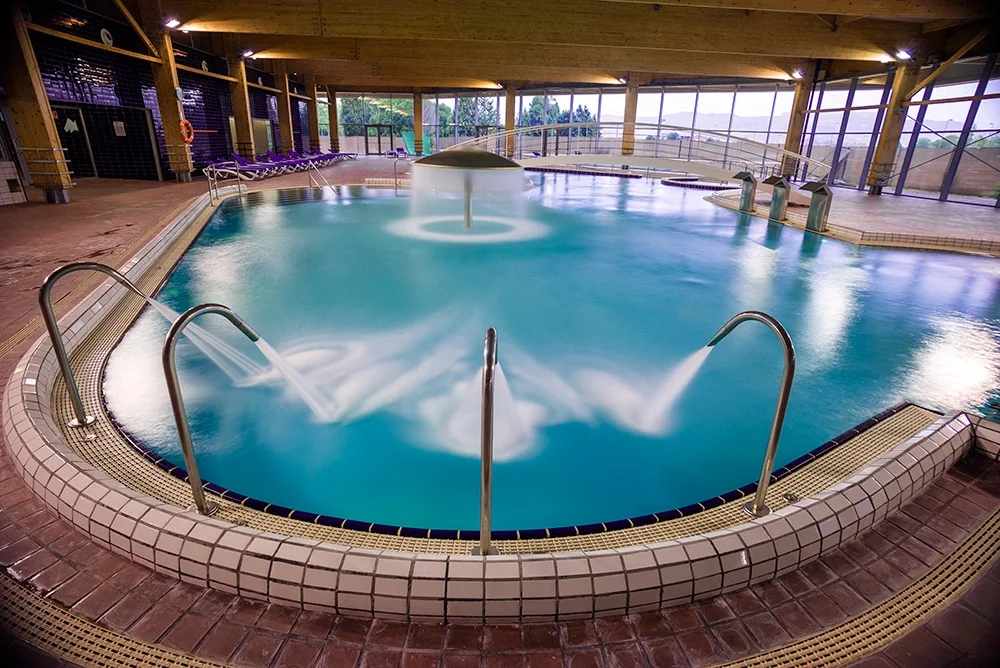
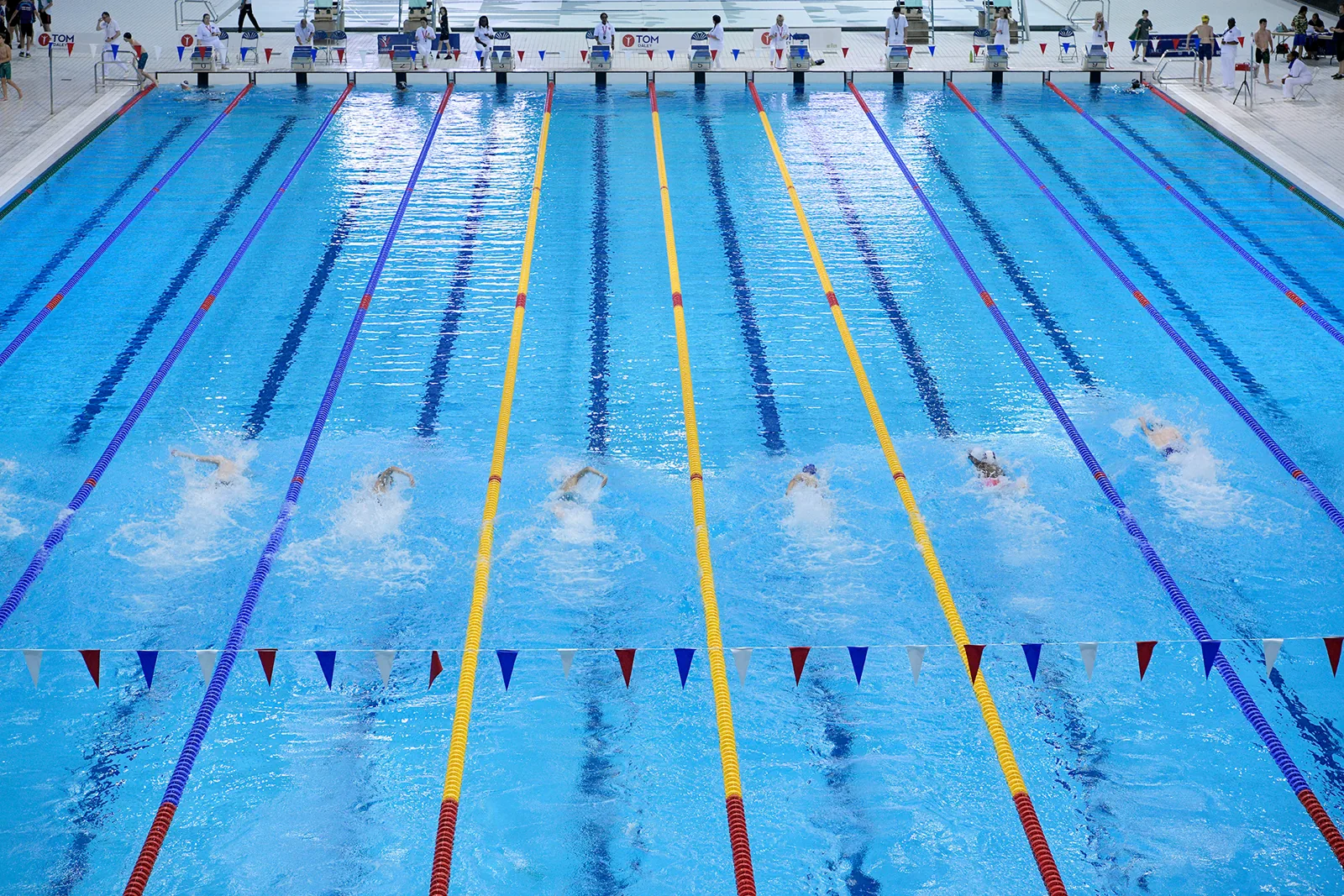
Thermal baths and swimming pools often share a building and a ticket, but they are made for different things. One is for soaking in hot mineral water, the other for swimming lengths.
The short answer
A thermal bath uses naturally warm spring water, often rich in minerals, in pools kept at around 32 to 40°C for soaking rather than swimming. A swimming pool uses treated mains water at a cooler temperature, usually below 30°C, so you can exercise without overheating. In Budapest the two sit side by side: Lukács has swimming pools at 22 and 26°C next to thermal pools at 32, 36 and 40°C. If you want lengths, look for the swimming pool inside the baths; if you want to relax, use the thermal pools and keep each soak short.
How thermal baths differ from a pool
| Thermal bath | Swimming pool | |
|---|---|---|
| Water source | Natural hot spring or well, often mineral-rich | Mains water, treated and recirculated |
| Typical temperature | About 32 to 40°C | About 26 to 29°C for lane swimming |
| What you do | Soak, sit, move gently, chat | Swim lengths, play, take lessons |
| Depth | Sitting or standing depth | Often deep enough to swim and turn |
| Time in the water | Short soaks with breaks | As long as your session allows |
"Thermal" refers to the source: water that comes out of the ground warm. Spa towns built bathhouses over the springs, and the minerals in the water (sulphur, calcium, magnesium, sodium) give each spring its own smell and feel. Many baths also call some pools medicinal, and in Hungary and some other countries doctors prescribe courses of spa treatment.
The water in public thermal pools is still filtered and disinfected, and changed or topped up through the day, because a lot of people share it. It is not a bucket of untouched spring water.
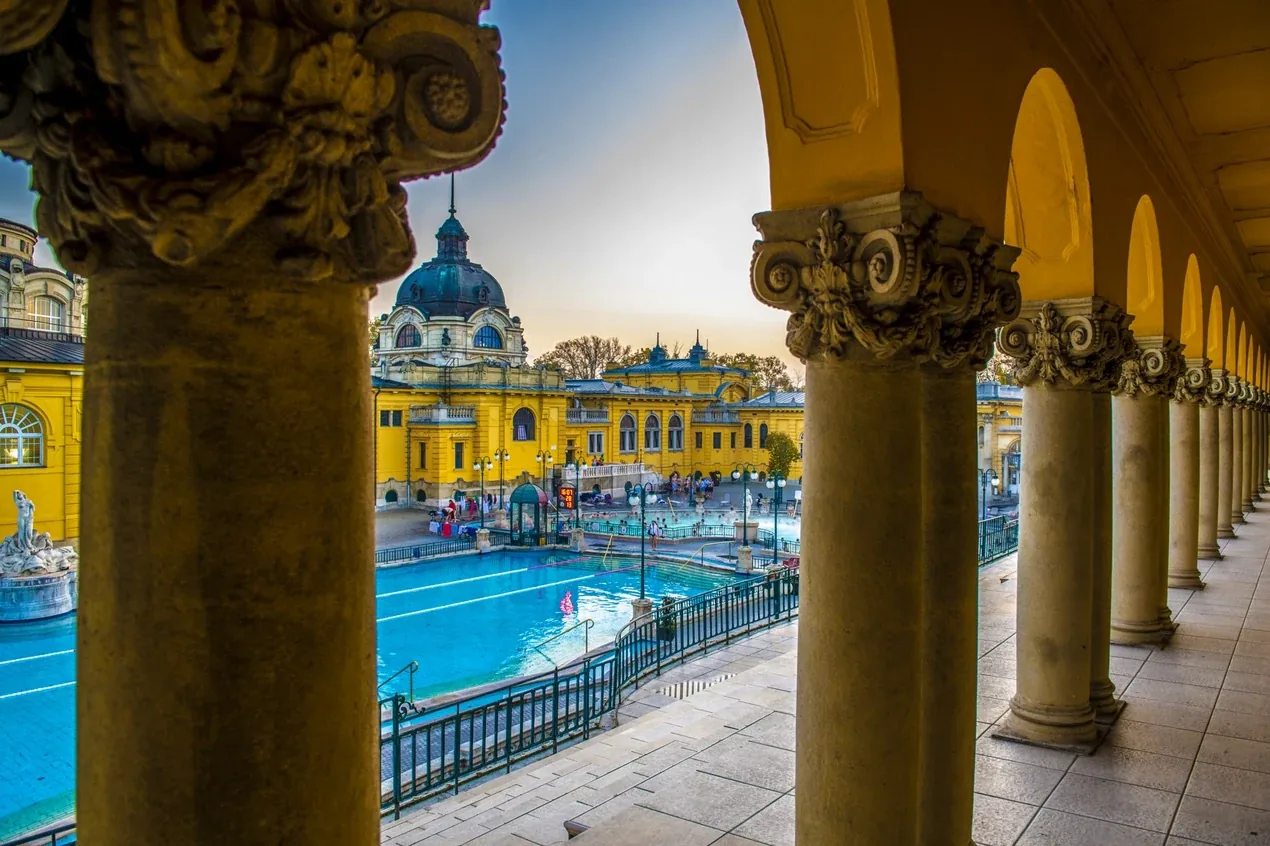
Budapest: baths with swimming pools
Budapest is the easiest place to see the difference, because most of its big baths have both. The details below come from the venue pages in our directory, with 2026 weekday adult prices.
- Széchenyi in City Park has an outdoor swimming pool at 26 to 28°C, 1.4 to 1.7 metres deep, next to an outdoor thermal pool at 36 to 38°C and indoor medicinal pools. A weekday day ticket with a locker was HUF 13,200.
- Lukács on the Buda bank has two swimming pools, at 22 and 26°C, and thermal pools at 32, 36 and 40°C. It is quieter and cheaper, at HUF 7,000 on weekdays, and popular with local lap swimmers.
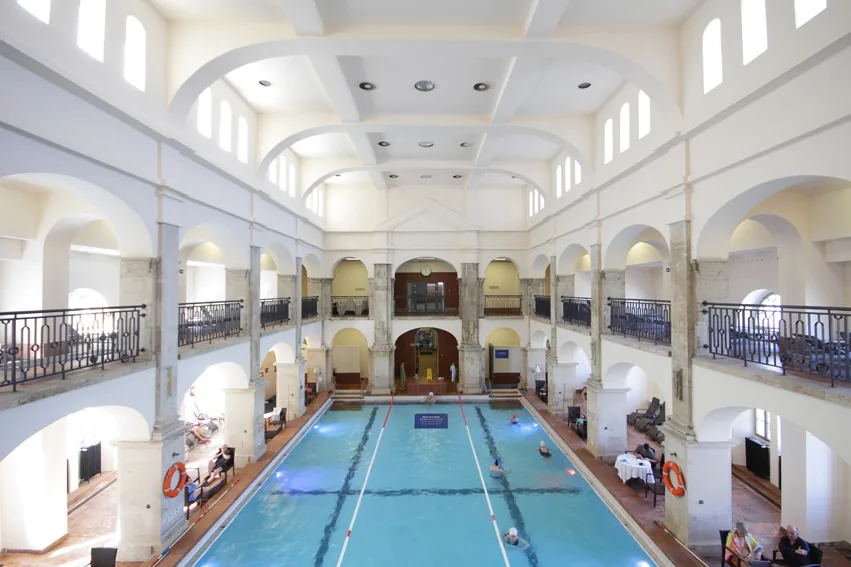
- Rudas by Elisabeth Bridge has a Turkish bath with six thermal pools and a separate 20.5 m swimming pool at 29°C in its own hall. Weekday entry to all zones was HUF 12,000.
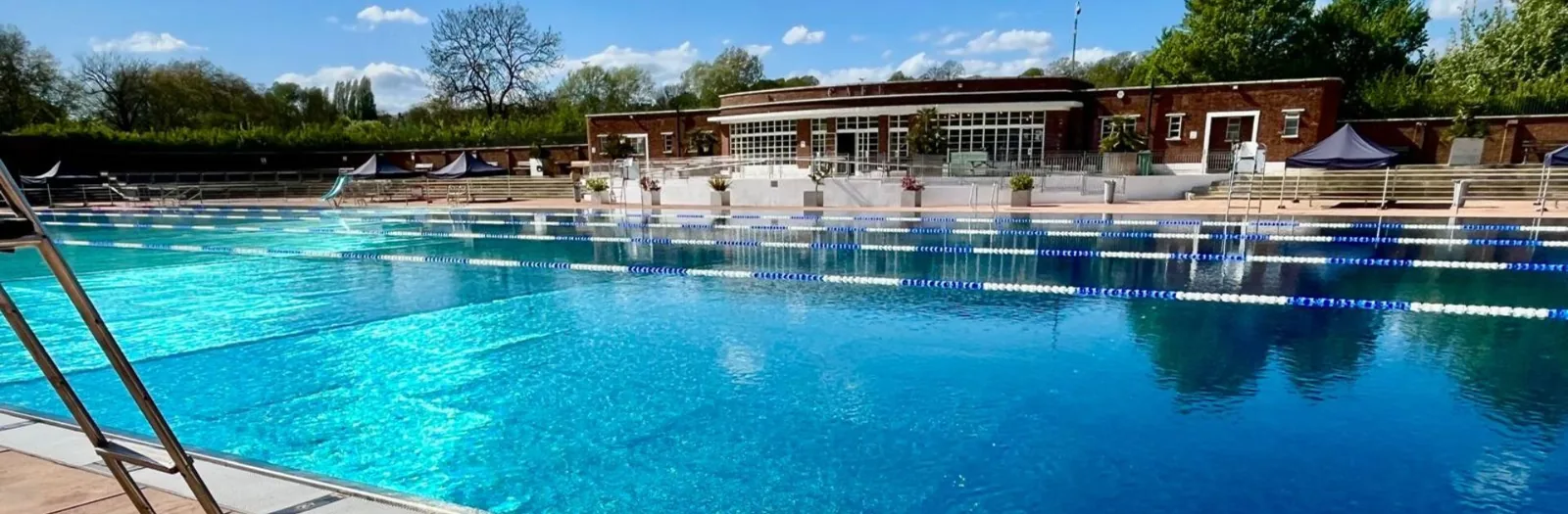
Smaller neighbourhood baths such as Paskál and Pesterzsébet combine thermal pools with an outdoor lane pool and cost much less, at HUF 4,700 on weekdays.
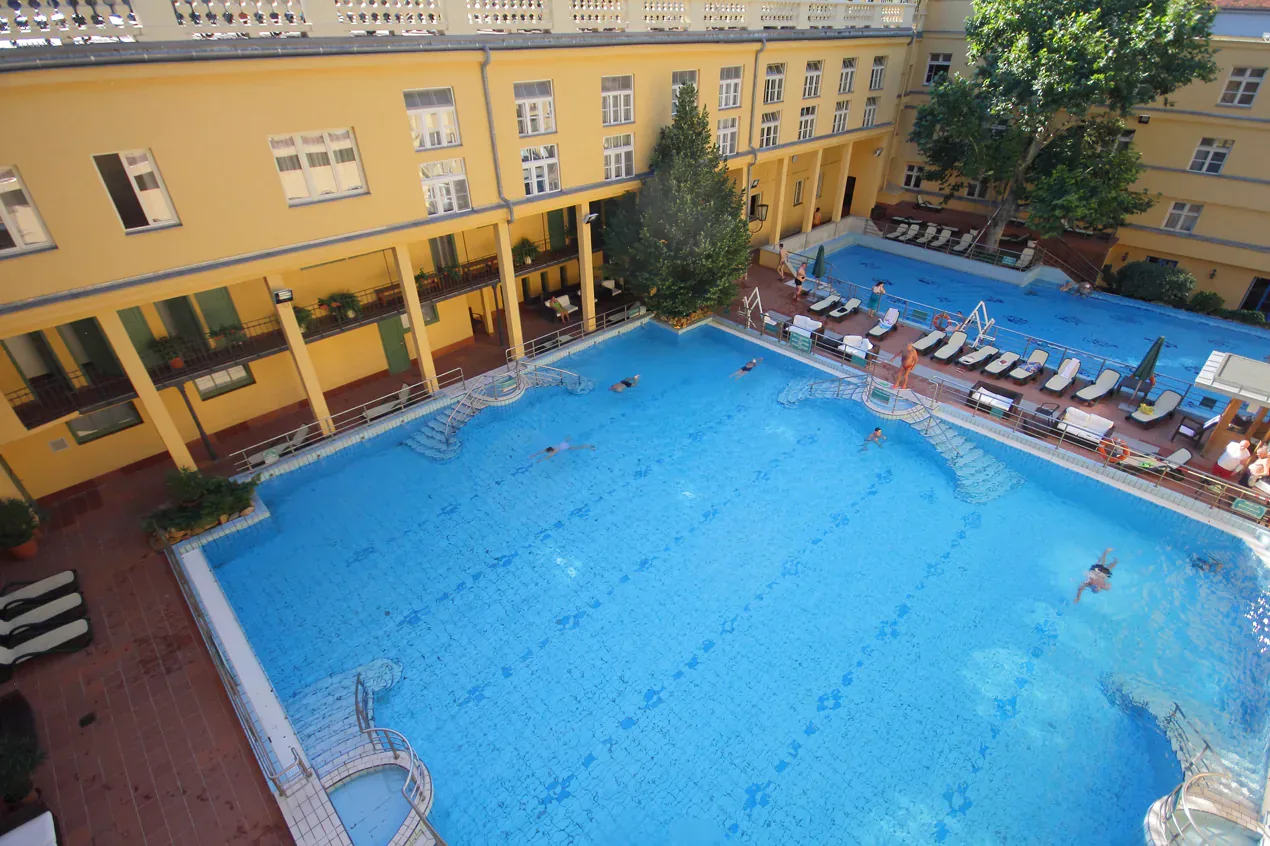
Szent Lukács Gyógyfürdő és Uszoda
Budapest · Pools 22 to 40°C
Rudas Gyógyfürdő és Uszoda
Budapest · 20.5 m pool, 29°C
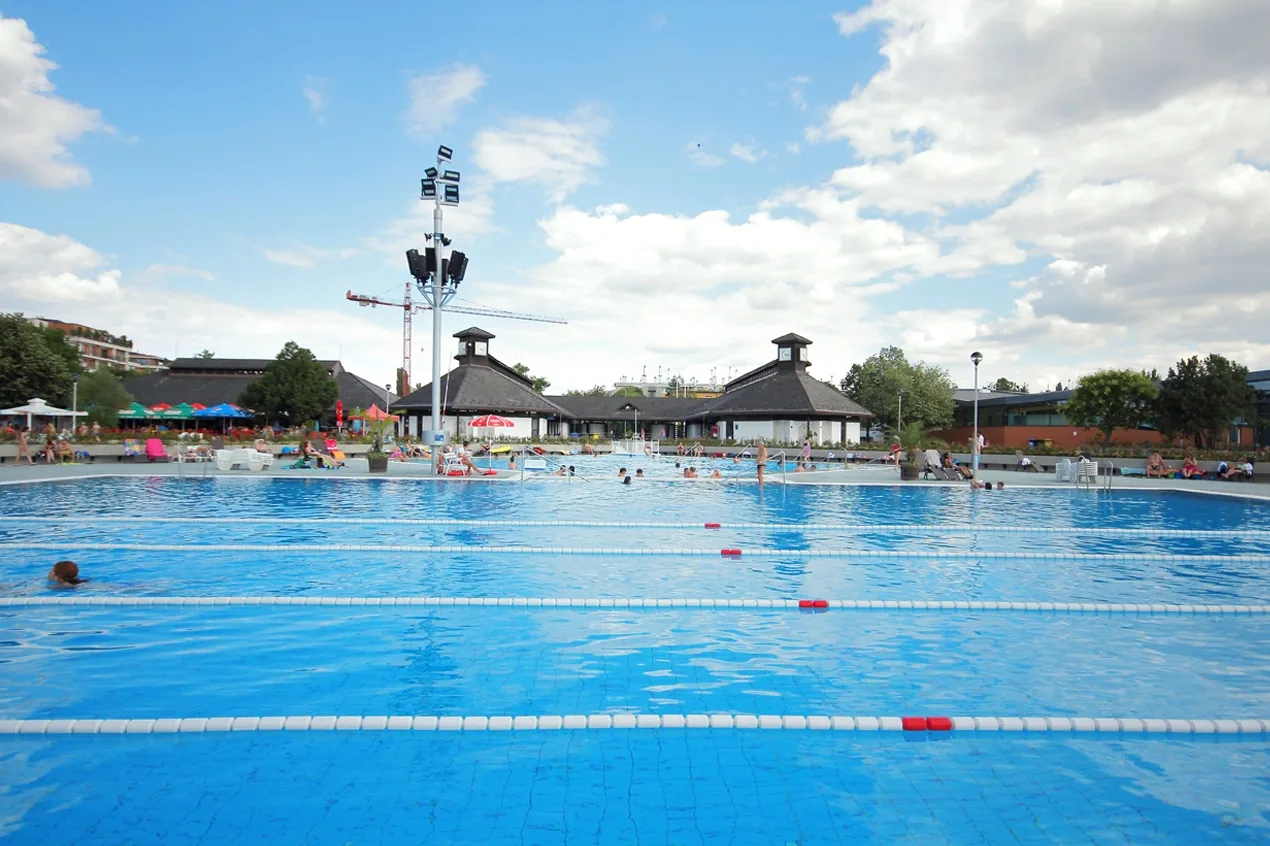
Paskál Gyógy- és Strandfürdő
Budapest · 33 m outdoor pool
Thermal baths elsewhere
Thermal baths are part of everyday life in Hungary, the Czech Republic, Slovakia, Austria, Germany (where a spa town is a Bad), Italy (terme), Iceland, Japan (onsen) and New Zealand, especially around Rotorua. Spain has old balnearios at natural springs, and the UK has one: the hot springs at Bath.
The name is also used for modern indoor spa parks. Therme București, north of Bucharest, is a large water park with slides and a wave pool, plus an adults-only palm-house pool with thermal water at 33°C. Some city sports centres in Spain have a small piscina termal or zona termal with warm water and jets, usually on a separate ticket from the lap pool.
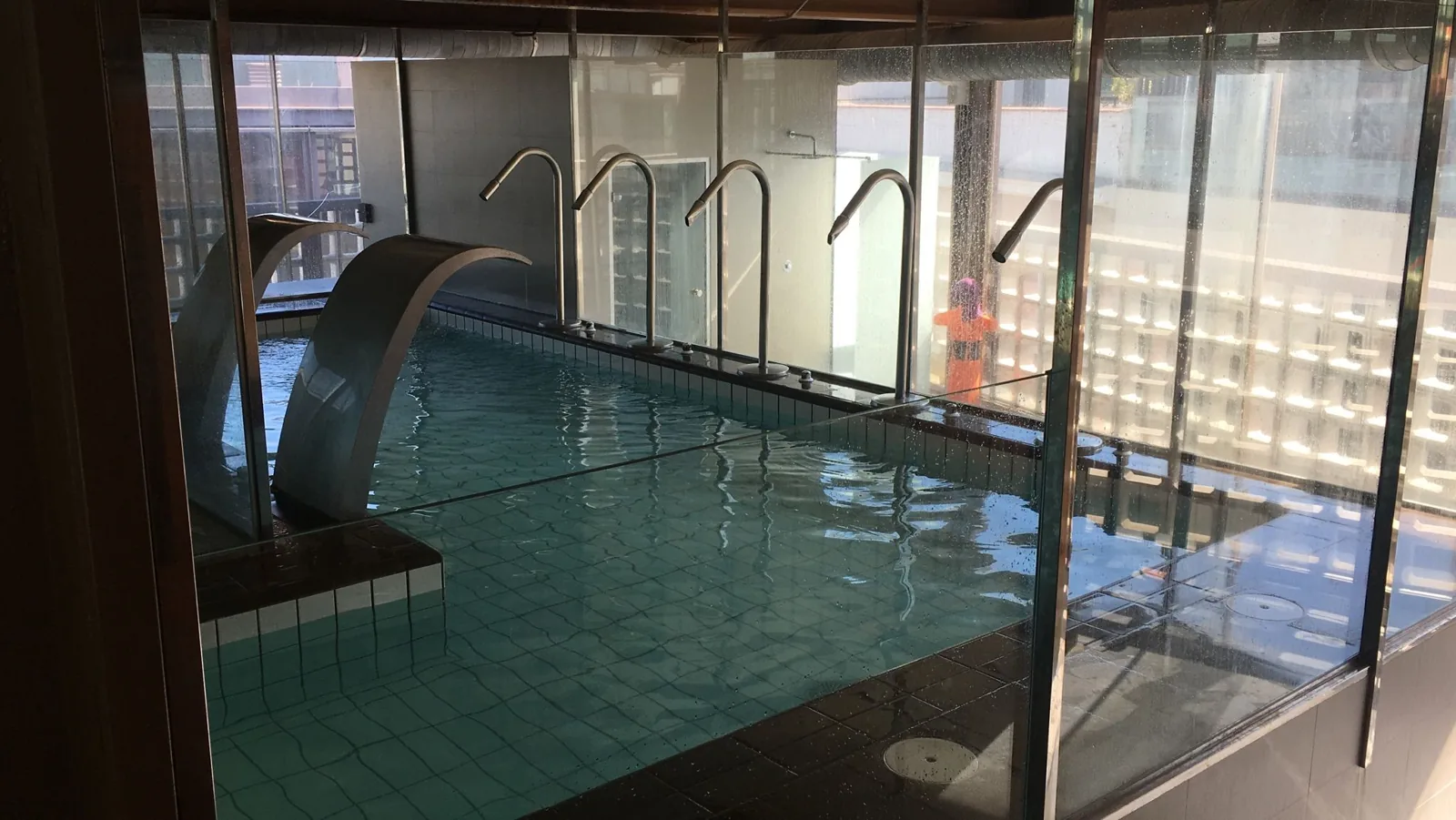
Visiting a thermal bath
A few habits make a visit easier, especially if you are used to an ordinary pool.
- Keep soaks short. Water at 36 to 40°C heats your body quickly. Ten to twenty minutes at a time, with a break and a drink of water, is how regulars do it. Sit on the edge or move to a cooler pool if you feel dizzy.
- Shower first. As in any pool, and rinse off after the mineral pools too, as some leave a smell on skin and swimwear.
- Bring flip-flops and a towel. Floors between pools are wet and cool. Towels are often extra; at Therme București towel hire is compulsory if you do not bring one.
- Check the rules on caps and age. Swimming pools inside Hungarian baths usually require a swim cap, while thermal pools do not. Many baths set a minimum age for the hottest pools or for adults-only zones.
- Leave jewellery at home. Sulphur-rich water can tarnish silver.
If you are pregnant or have a heart condition or high blood pressure, ask your doctor before using very hot pools. The same caution applies to saunas and hot tubs.
Best time to go. The big Budapest baths are busiest in the afternoon and at weekends. Weekday mornings are calmer, and swimming pools inside the baths are often quietest straight after opening.
Swimming at a thermal bath
If you go to a thermal bath to swim, look for the pool marked as the swimming pool (úszómedence in Hungarian), and expect it to be cooler than the thermal pools. Lane swimming in a thermal pool is usually not allowed, partly because people are sitting and partly because hard exercise in very hot water is unpleasant and can make you feel faint.
A swim then a soak works well: lengths in the cooler pool first, then warm water to finish. For more on what feels right for swimming, see our guide to pool water temperature, and for warm-water exercise with a physiotherapist, see what a hydrotherapy pool is.
FAQ
Can you swim in a thermal bath?
Usually not in the thermal pools themselves, which are for soaking. Most large thermal baths also have a cooler swimming pool where you can swim lengths.
How hot are thermal baths?
Thermal pools are usually between about 32 and 40°C. The swimming pools in the same buildings are cooler, often 22 to 29°C.
Do you need a swim cap at a thermal bath?
Often only for the swimming pool. In Budapest, caps are normally required in the swimming pools but not in the thermal pools. Check the rules at the entrance.
How long should you stay in a thermal pool?
Short soaks of ten to twenty minutes with breaks are the usual pattern. Get out and cool down if you feel dizzy or your heart is racing.