What is a hydrotherapy pool?
 By the Find My Swimming Pool team·
Updated ·
6 min read
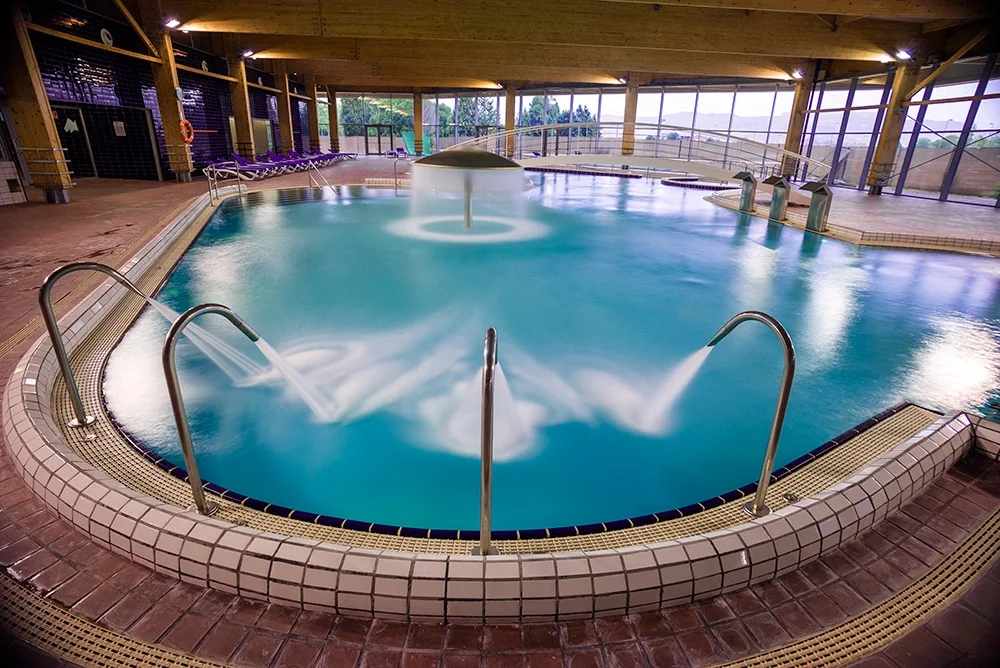
A hydrotherapy pool looks like a small swimming pool, but it is built for treatment, not lengths. The water is much warmer, the pool is shallow, and most sessions are run by a physiotherapist.
The short answer
A hydrotherapy pool is a warm, shallow pool used for exercise and physiotherapy in water. NHS hydrotherapy units usually heat the water to between 33 and 35°C, several degrees warmer than a public swimming pool. Sessions are short, often 20 to 30 minutes, and you do set exercises rather than swim. People use it for arthritis, back pain, long-term joint and muscle conditions and rehabilitation after injury or surgery. Some leisure centres and hotel spas also have a "hydrotherapy pool", which there usually means a warm pool with jets for relaxing.
What makes a pool a hydrotherapy pool
Three things set it apart from an ordinary pool: temperature, depth and access.
- Temperature. The Wrightington, Wigan and Leigh NHS hydrotherapy leaflet gives 33 to 35°C. A typical public pool for lane swimming sits in the high 20s, so the difference is easy to feel the moment you step in.
- Depth. Most therapy pools are around chest depth on an adult, often with a sloping or stepped floor so the physiotherapist can choose how much of your weight the water carries.
- Access. Wide steps with handrails on both sides, a ramp or a poolside hoist, and private changing next to the pool. Many units also have handrails along the walls and floats, belts and steps you can exercise on.
The warm water relaxes muscles and lets stiff joints move further than they would on dry land. Buoyancy takes part of your body weight, so standing and walking exercises are easier. The water also pushes back when you move through it, which gives gentle resistance for strengthening.
What happens in a session
In an NHS or private physiotherapy setting, a hydrotherapy session follows a fairly set pattern:
- You are assessed by a physiotherapist first. They decide whether water exercise suits you and what you will work on.
- You shower before getting in. Units ask you not to use creams or body lotion beforehand, as they leave a slippery film on the water.
- You get in by steps or hoist and spend about 20 to 30 minutes in the water. The first session may be shorter while staff see how you respond to the heat.
- You work through exercises: walking, stretching, balance work and movements against the water's resistance. Some are hands-on with the therapist, some you do alone with floats or the rail.
- You shower again, sit for a few minutes and have a drink so your body can adjust to room temperature.
The heat can leave you tired or drowsy afterwards. The Wigan leaflet advises against driving if you feel drowsy, and suggests eating a couple of hours before a session to lower the chance of feeling faint. Most courses run from a few sessions to a few weeks, and the usual advice at the end is to keep exercising at your local pool.
What to bring. A close-fitting swimming costume or swim shorts, a towel, and something to tie up long hair or a swim cap. Cotton shorts are not suitable. If you have a verruca, an open wound or an infection, tell the unit before your session. Our guide to verrucas and swimming pools covers socks and covers.
Who uses hydrotherapy
Physiotherapists use water therapy for a wide range of problems. Common reasons for a referral include:
- arthritis and other long-standing joint conditions
- chronic pain and back pain
- soft tissue injuries and fractures
- rehabilitation after surgery
- limited mobility, where the water lets people stand and move with more support than on land
It is not right for everyone. The physiotherapist goes through your medical history before offering it, and units ask you to report any infection, open wound or change in your health before each session. If you have a health condition and want to try warm water exercise, see a doctor or physiotherapist first rather than booking a spa hydro pool and hoping for the best.
If your back is the reason you are looking, our guide to swimming for back pain covers which strokes tend to suit and which to avoid.
Hospital pools and spa hydro pools
The name is used loosely. In a hospital or physiotherapy clinic, a hydrotherapy pool is a clinical space with trained staff. The Wigan unit, for example, does not let patients in without two physiotherapy staff present. In a leisure centre, gym or hotel spa, "hydrotherapy pool" often means something different: a warm pool with massage jets, bubble seats or water curtains, used for relaxing rather than treatment.
Both have their place. A spa hydro pool feels good on tired muscles, but nobody is supervising your exercises, and it is often warmer and busier than a clinical pool. Some leisure centre hydrotherapy pools sit in between: council centres in the UK and New Zealand often run them for GP referral classes, arthritis groups and private hire, with only limited public sessions.
Spanish municipal sports centres often call this kind of pool a piscina de hidroterapia or put it in a zona termal or zona hidrotermal, usually charged separately from the swimming pool.
Where to find one
For treatment, start with your GP or a physiotherapist. In the UK and Ireland, NHS and HSE hydrotherapy is by referral, usually after a physio assessment. Private physiotherapy clinics with their own pool, or that hire a hospital pool, take self-referrals for a fee. In Australia and New Zealand many council aquatic centres have a warm water or hydrotherapy pool, and private physiotherapists run classes in them.
For warm-water exercise on your own, check your local leisure centre. Some publish hydrotherapy pool times on the timetable, others only offer it for hire or set classes. A few pools in our directory with a separate hydrotherapy pool:
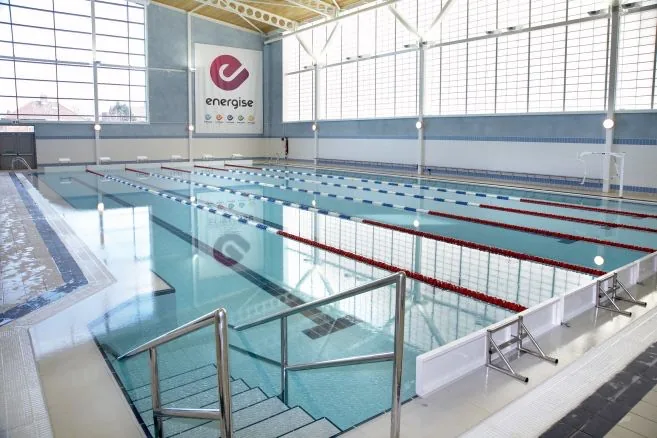
Energise Leisure Centre
York · Hydrotherapy pool
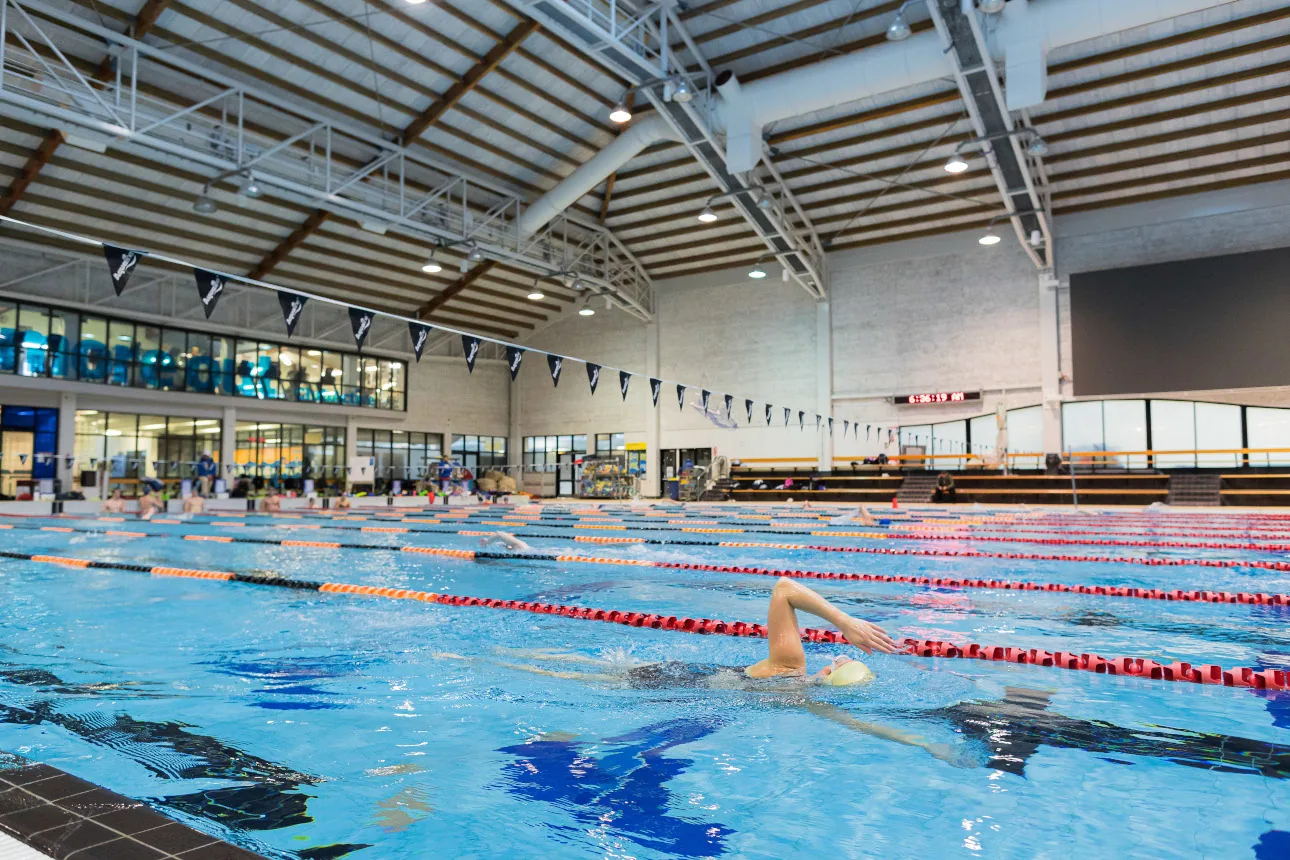
Wellington Regional Aquatic Centre
Wellington · Hydrotherapy pool
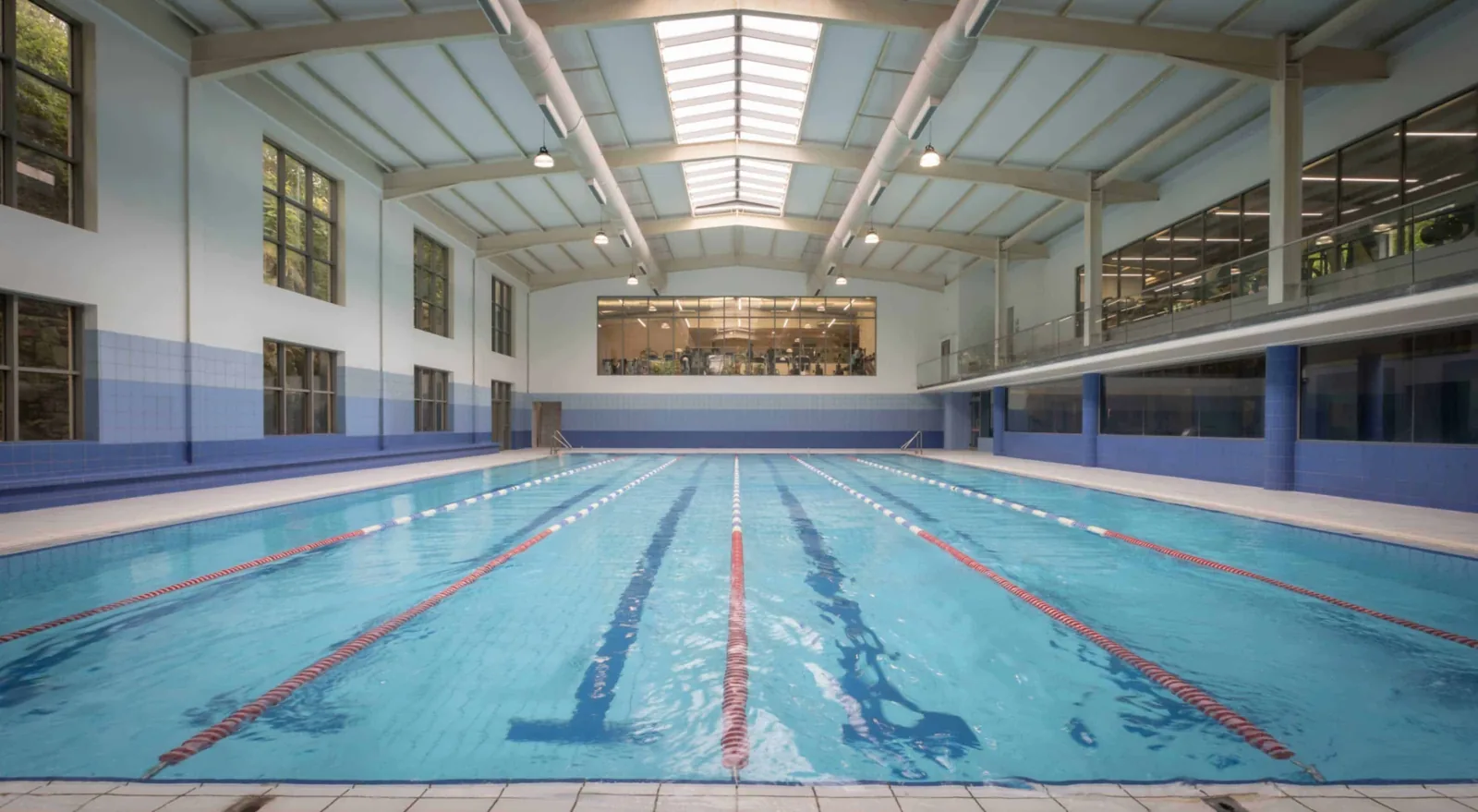
Ocean Fitness, Salthill Hotel
Galway · 18m hydrotherapy pool
If you want warm water for a gentle swim but not therapy, a teaching pool is often a few degrees warmer than the main pool. Our guide to pool water temperature lists typical temperatures by pool type.
FAQ
How warm is a hydrotherapy pool?
NHS hydrotherapy pools are usually kept between 33 and 35°C. That is several degrees warmer than a public swimming pool, which is normally in the high 20s.
Do you need to be able to swim for hydrotherapy?
No. Most exercises are done standing or holding the rail in water around chest depth, and staff help you in and out. Tell the physiotherapist if you are nervous in water.
How long is a hydrotherapy session?
Usually 20 to 30 minutes in the water. Longer sessions in very warm water can leave you tired or light-headed.
Can I use a hydrotherapy pool without a referral?
Clinical pools in hospitals need a referral. Private clinics, some leisure centres and spas take bookings directly, but if you have a medical condition, check with a doctor or physiotherapist first.