Is swimming good for back pain?
 By the Find My Swimming Pool team·
Updated ·
5 min read
When your back hurts, the advice to "keep moving" can feel hard to follow. Water makes it easier. Swimming and pool exercise let you move with your weight supported, but some strokes help more than others, and a few habits can make things worse.
The short answer
For most people with ordinary low back pain, yes. The NHS advises staying active and lists swimming among the activities that may ease back pain. Water supports your weight, so you can move your spine without the jolts of walking or running. Backstroke and front crawl with a relaxed head are usually the most comfortable. Breaststroke with your head held up can strain your neck and lower back. Start gently, stop if pain gets worse, and see a GP if pain lasts more than a few weeks or comes with numbness or weakness.
Why water helps
Bed rest used to be the standard advice for back pain. It is not any more. The NHS now advises you to stay active and keep up your daily activities as much as you can, and says activities such as walking, swimming, yoga and pilates may help (NHS: back pain).
Water helps in a few ways:
- It takes your weight. Standing in chest-deep water, much of your body weight is supported, so your spine and hips carry far less load.
- It slows you down. Water resists movement in every direction, which gives you a gentle, even workout without sudden jerks.
- It is warm. Most indoor pools are kept warm enough to relax tight muscles, and warm-water or hydrotherapy pools are warmer still.
- It builds the muscles that support your back. Swimming works your core, glutes and back muscles without heavy loading.
Best and worst strokes for back pain
| Stroke | For a sore back | Tips |
|---|---|---|
| Backstroke | Usually the most comfortable | Keep your head back and hips up. Your spine stays long and neutral. |
| Front crawl | Usually good | Breathe by rolling your whole body, not by lifting or twisting your neck. A snorkel removes the twist altogether. |
| Breaststroke, head up | Often aggravates pain | Holding your head out of the water arches your lower back and strains your neck. |
| Breaststroke, head down | Better | Put your face in the water between breaths. Try a gentle flutter kick if the whip kick hurts. |
| Butterfly | Avoid | The strong wave through the spine is too much for a sore back. |
Everybody's back is different. If a stroke makes your pain worse during or after a swim, swap to another one or move to walking in the water.
Kickboards can hurt. Holding a board out in front while kicking often arches the lower back. If that is uncomfortable, kick on your back with your arms by your sides instead.
A gentle first session
- Warm up by walking. Walk forwards, backwards and sideways in chest-deep water for 5 minutes.
- Swim easy lengths. 4 to 6 lengths of backstroke or slow front crawl, resting as long as you like at each end.
- Gentle mobility. Holding the wall, do slow knee lifts and leg swings. Stop anything that sharpens the pain.
- Finish with walking. Another few minutes walking in the water.
Keep the first few sessions to 20 to 30 minutes. A little stiffness the next day is normal; pain that is clearly worse is a sign to ease off. Build up slowly over several weeks. Some pools have quieter adult sessions or a separate teaching pool, which is easier if you want space to walk and stretch.
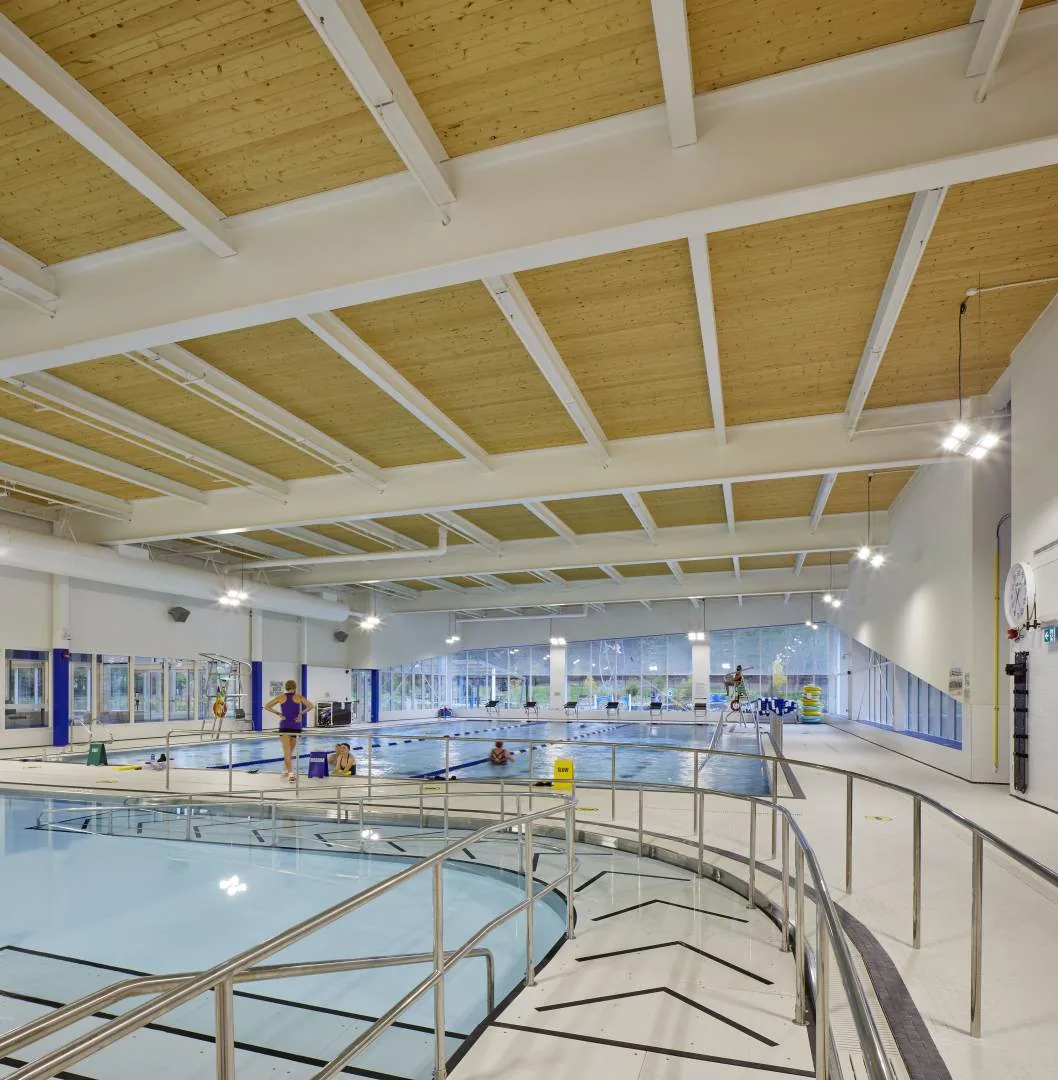
Getting in and out matters too. Use the steps or a ramp rather than jumping or climbing a vertical ladder, and take care on wet floors in the changing room.
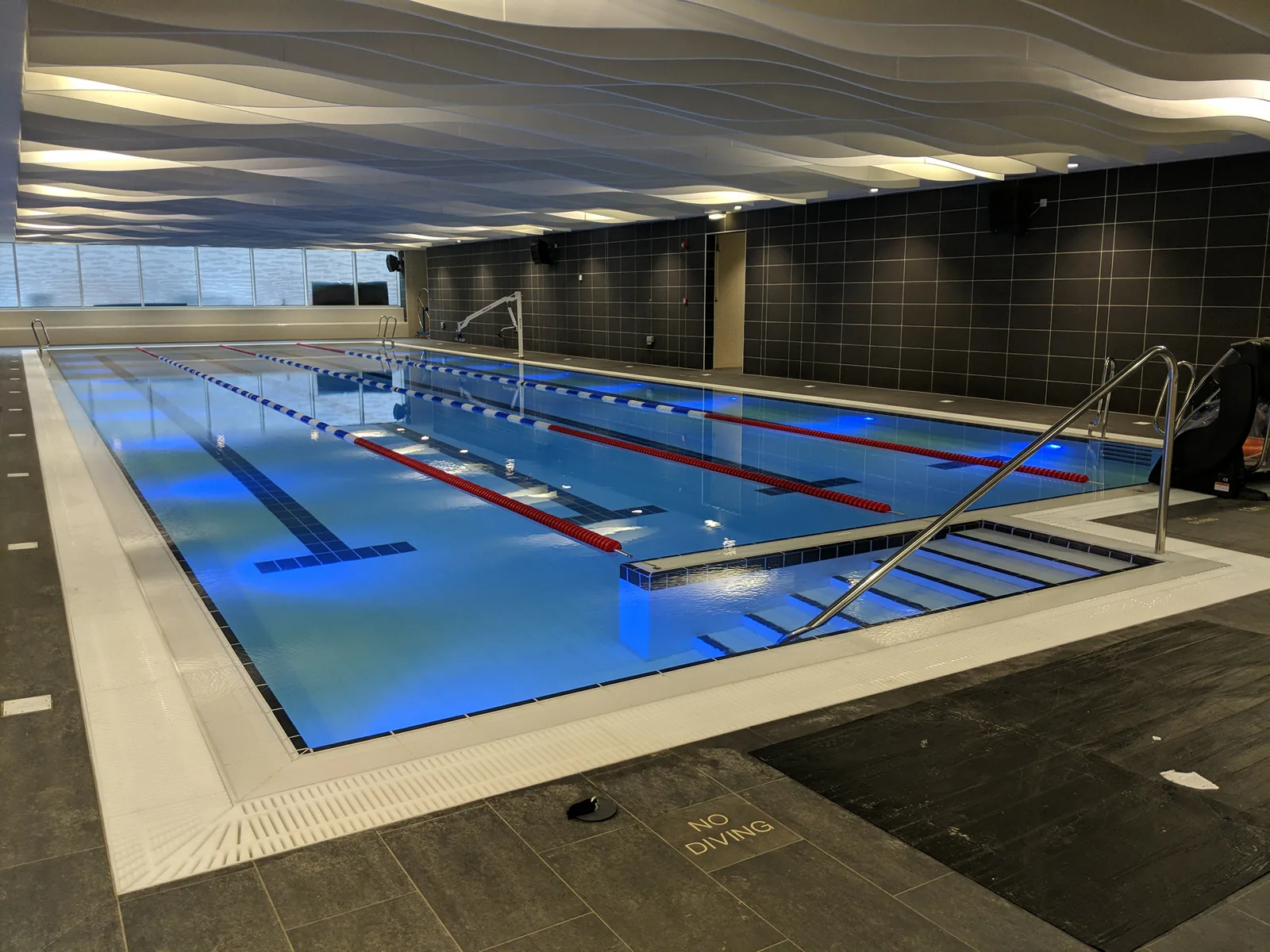
The Wave
Coventry · 25 m lane pool
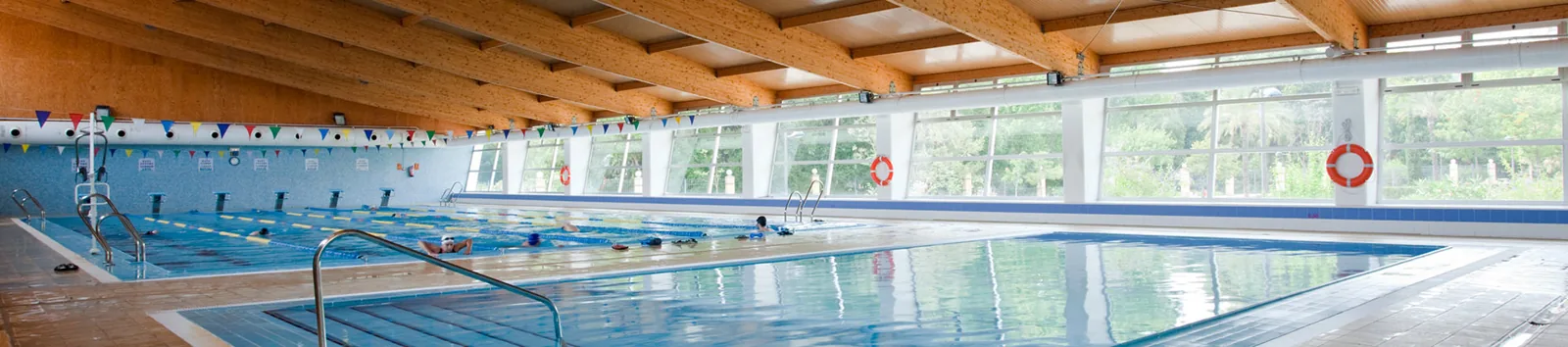
Piscina Ayora
Valencia · Teaching pool
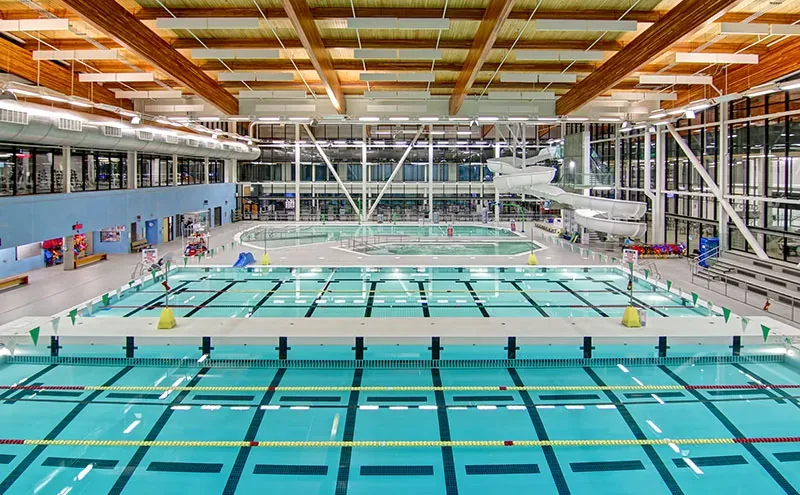
The Meadows Community Recreation Centre
Edmonton · Salt-water lane pool
Aqua classes and warm water pools
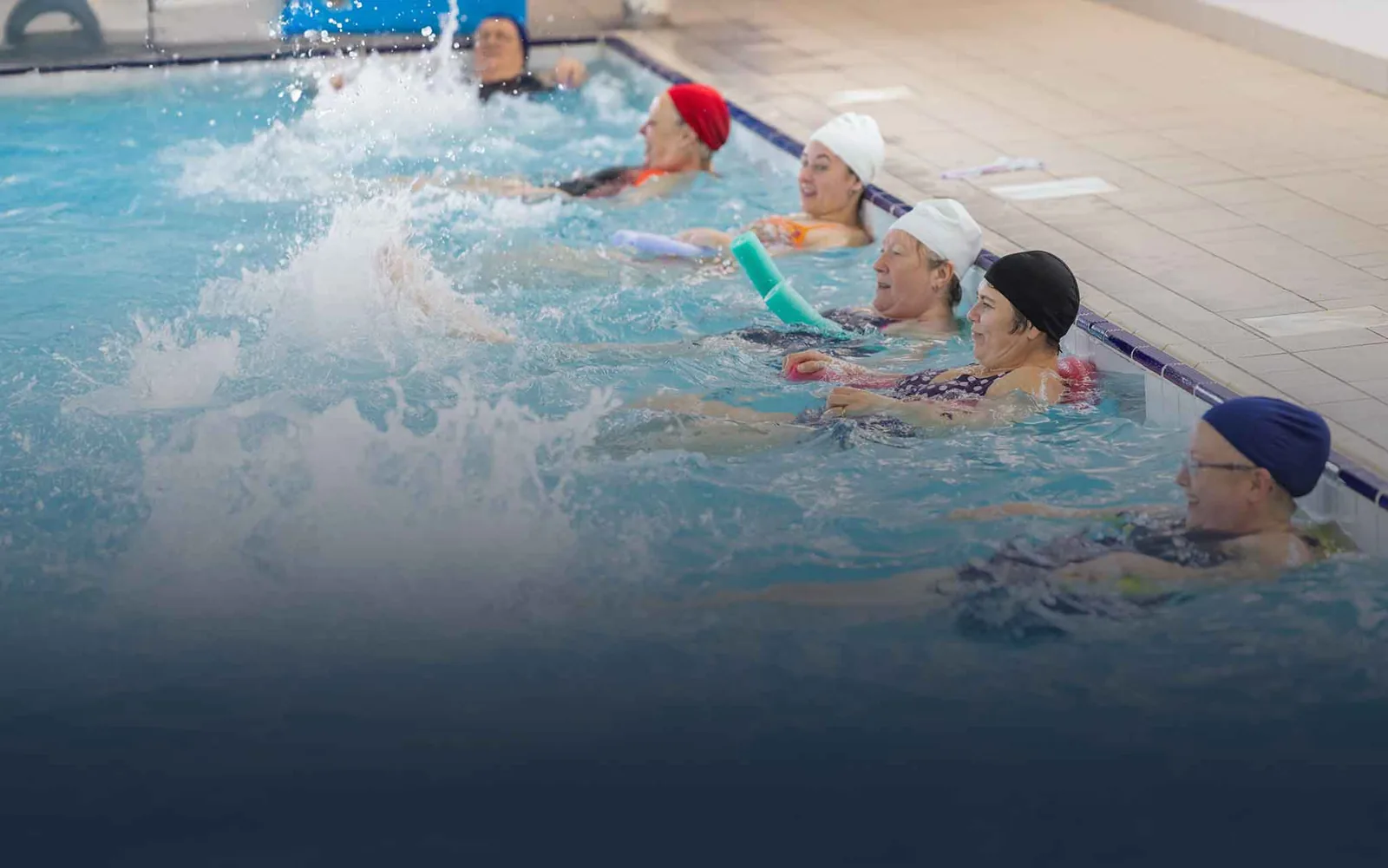
If you are not a confident swimmer, you do not need to swim at all. Aqua aerobics, aqua jogging and water walking give many of the same benefits. Classes usually take place in the shallow end and suit all abilities.
Hydrotherapy pools are warmer than normal pools and are mainly used by physiotherapists for rehabilitation. Some leisure centres and community centres run warm-water sessions or classes open to the public. Ask your GP or physiotherapist whether there is a programme near you. Our guide to hydrotherapy pools explains how they work.
When to see a doctor
Most back pain gets better on its own within a few weeks or months. The NHS says to see a GP if your back pain does not improve after a few weeks of treating it at home, if it stops you doing daily activities, or if you are worried or struggling to cope.
Get help urgently, from NHS 111 or a GP, if you have back pain and feel unwell with hot or cold spells, or sudden, severe or rapidly worsening pain. Call 999 or go to A&E if you have pain, numbness, tingling or weakness in both legs, numbness around your genitals or bottom, or new problems controlling your bladder or bowels. These can be signs of a serious condition that needs treatment straight away.
If you have had back surgery or have a diagnosed spinal condition, ask your surgeon or physiotherapist when you can start swimming and which strokes to use.
FAQ
Is breaststroke bad for your back?
Breaststroke with your head held up out of the water arches your lower back and can make pain worse. With your face in the water between breaths it is usually fine.
Can swimming make back pain worse?
It can if you swim with poor posture, hold your head up, or do too much too soon. Stop or switch strokes if pain increases during or after a swim.
Is swimming good for sciatica?
Many people with sciatica find gentle swimming or water walking more comfortable than walking on land. Avoid strokes that make leg pain worse, and see a GP if you have weakness or numbness.
How often should I swim for back pain?
Two or three gentle sessions a week is a good start. Regular, moderate movement helps more than one long swim.