Do you really need to wait after eating to swim?
 By the Find My Swimming Pool team·
Updated ·
5 min read
Generations of children have sat on a towel by the pool, waiting out the "30 minutes after lunch" rule. It turns out the rule is about comfort, not safety. Here is what the evidence says and how long you might still want to wait.
The short answer
No, you do not need to wait. The American Red Cross Scientific Advisory Council concluded that swimming within an hour of eating does not increase the risk of drowning, for adults or children, and no major health or safety body recommends a waiting time. A large meal can make you feel sluggish or give you a stitch if you swim hard straight away, so waiting a little after a heavy meal is about comfort. Alcohol is the real danger: never swim after drinking.
Where the rule came from
The idea goes back more than a century and was repeated in swimming and scouting advice for decades. The theory sounded reasonable: after a meal, blood goes to your stomach to digest food, leaving less for your arms and legs, so your muscles cramp and you sink.
The first part is partly true. Your gut does get more blood after eating. But your body has plenty to go round, and there is no evidence that digestion starves your limbs enough to cause a disabling cramp. Muscle cramps in the water are more often linked to tiredness, cold water or overdoing it.
What the evidence says
The American Red Cross Scientific Advisory Council reviewed the question and concluded that swimming within one hour of eating does not increase the risk of drowning in adults or children, whether they swim for fun or compete (American Red Cross). It also notes that no major medical or safety organisation recommends waiting before swimming after you eat.
The evidence base is thin, because nobody has run a trial of feeding people big lunches and watching for drownings. Drowning research points to other causes instead: not being able to swim well, swimming alone or without supervision, cold water, strong currents, and alcohol.
Why you might still wait
There are honest, non-dangerous reasons to give a big meal a bit of time:
- Stitches. That sharp pain under your ribs is common in swimmers as well as runners. Eating or drinking a lot shortly before exercise is thought to make stitches more likely.
- Feeling heavy or sick. Swimming puts you horizontal, and turning at the wall or kicking hard on a full stomach can bring on reflux or nausea.
- Less energy for hard work. Straight after a large meal, many people simply cannot swim as fast or as long.
None of these will drown you. If you get a stitch, slow down, roll onto your back and breathe deeply until it passes.
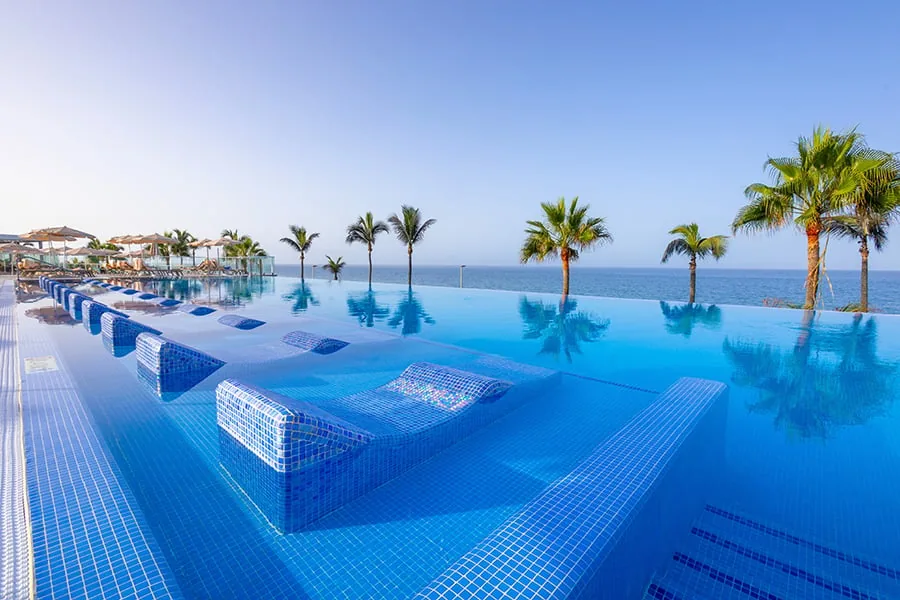
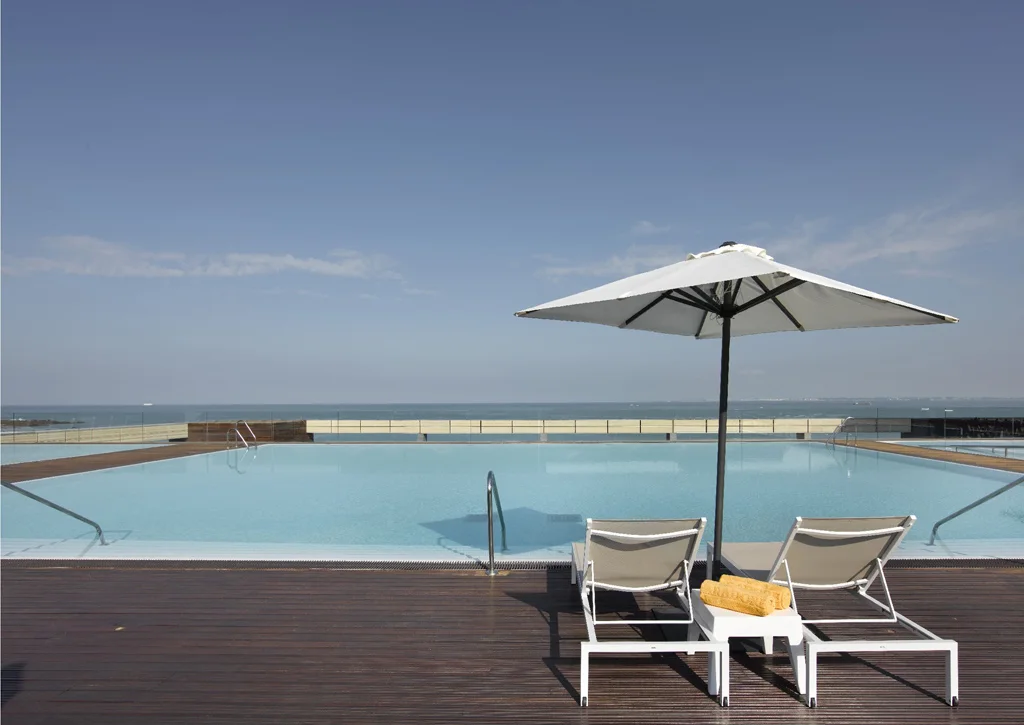
Hotel Riu Gran Canaria
Maspalomas · Hotel infinity pool
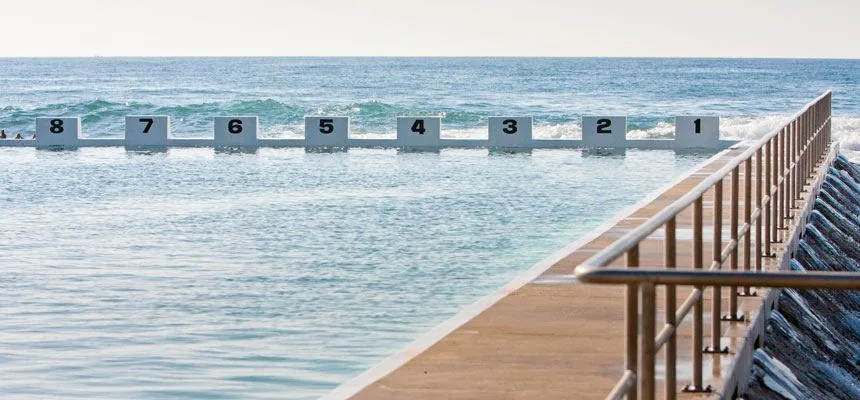
Merewether Ocean Baths
Newcastle · Ocean baths
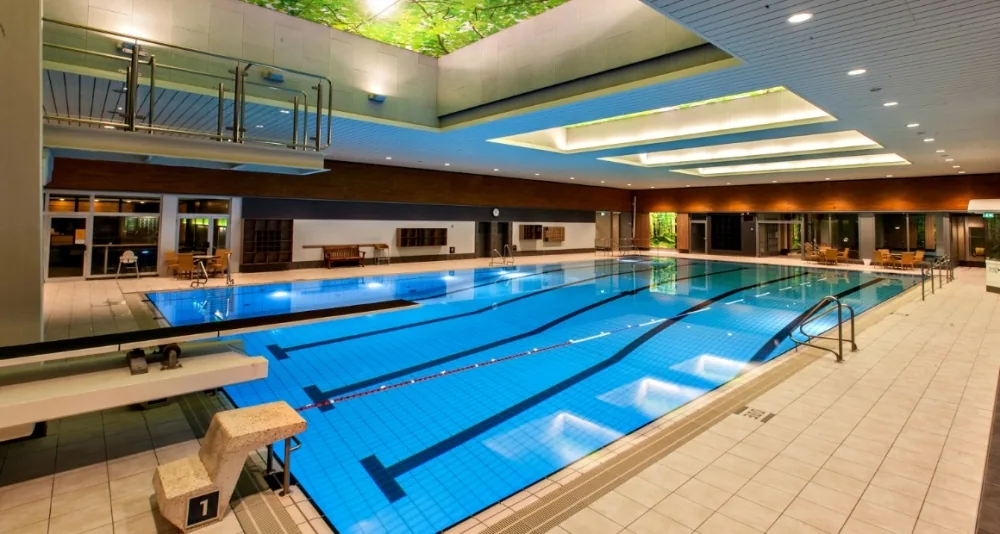
Parkbad
Hamburg · Indoor and outdoor pools
How long to wait, by meal
| What you ate | Easy swimming or playing | Hard lengths or training |
|---|---|---|
| A snack (fruit, a biscuit, a small sandwich) | Go straight in | Go straight in |
| A normal meal | Go straight in | 30 to 60 minutes is more comfortable |
| A large or fatty meal | Go in when you feel like it | 1 to 2 hours, or keep it easy |
These are comfort guides, not safety rules. Children can go back in after a picnic lunch as soon as they want to, as long as an adult is watching them in the water as usual.
Don't swim on empty either. Swimming first thing without eating is fine for a short easy swim, but a longer or harder session on an empty stomach can leave you light-headed. A banana or a slice of toast an hour before is plenty.
The real risk: alcohol
If there is one rule worth keeping from the poolside, it is this: do not swim after drinking. Alcohol slows your reactions, affects your balance and judgement, and makes you more likely to take risks such as swimming out too far or jumping into water you have not checked. The WHO guideline on drowning prevention includes not drinking alcohol before swimming as a basic water safety skill. A long lunch with wine followed by a swim is far more dangerous than a long lunch on its own.
What to eat before swimming
- Short easy swim: nothing special. Swim whenever suits you.
- Lane session of 45 minutes or more: a light meal 1 to 2 hours before, or a snack such as a banana, yoghurt or toast 30 to 60 minutes before.
- Race or long open water swim: eat what you are used to, at the time you are used to. Do not try new foods on the day.
- Drinks: water. Fizzy drinks just before swimming can make you bloated.
For pregnant swimmers, the NHS advises against exercising on an empty stomach because it could make you feel faint; see swimming while pregnant. If you swim to lose weight, our guide to swimming for weight loss covers eating around sessions.
FAQ
Is it dangerous to swim after eating?
No. The American Red Cross Scientific Advisory Council found that swimming within an hour of eating does not increase the risk of drowning. A big meal may just make you uncomfortable.
Can you get cramp from swimming after eating?
You may get a stitch, which is a pain in the side of your tummy, especially if you swim hard on a full stomach. True leg cramps are more linked to tiredness and cold water than to food.
How long should kids wait to swim after eating?
They do not need to wait. If they have eaten a big meal, gentle play is more comfortable than racing for the first half hour.
Is it OK to swim after drinking alcohol?
No. Alcohol affects your judgement, balance and reactions and is a known factor in drownings. Wait until it has fully worn off.