Is it safe to swim while pregnant?
 By the Find My Swimming Pool team·
Updated ·
5 min read
Swimming is one of the exercises midwives recommend most often in pregnancy. The water takes the weight of your bump and keeps you cool while you move. A few sensible precautions cover almost everything you need to know.
The short answer
Yes. For most people with a healthy pregnancy, swimming is safe in all three trimesters. The NHS says swimming can be good exercise in pregnancy because the water relieves pressure on your muscles and joints, and it suggests aquanatal classes. Avoid scuba diving, getting overheated and jumping or diving in. Swim at a comfortable pace and stop if you feel unwell. If you have a medical condition or pregnancy complication, check with your midwife or doctor first.
Why swimming suits pregnancy
The NHS advises pregnant women to keep up normal daily activity and, if possible, aim for 150 minutes of moderate activity a week, split into shorter sessions. If you were not active before, it suggests starting with around 10 minutes a day and building up (NHS: exercise in pregnancy).
Swimming is an easy way to get there:
- Your bump is supported. In the water you feel lighter, and pressure on your back, hips and pelvis eases.
- No impact. No jolting through joints that are already looser because of pregnancy hormones.
- You stay cooler. A normal pool keeps your body temperature down better than exercising in a warm gym.
- Less risk of falling. Your balance shifts as your bump grows. In the water a stumble does not mean a fall.
Trimester by trimester
First trimester (weeks 1 to 12)
Swim as you normally would if you feel well. Tiredness and nausea are common, so shorter, gentler swims may suit you better. Chlorinated pool water at normal levels is not a risk to your baby.
Second trimester (weeks 13 to 26)
Many people find this the most comfortable time to swim. Your energy often comes back and your bump is not yet heavy. Keep the pace at a level where you can still talk.
Third trimester (weeks 27 to birth)
The water can be a real relief from the weight of your bump. Take care on wet poolsides and steps, and get in using the steps rather than a vertical ladder. Some people find swimming helps with swollen ankles and back ache in late pregnancy. You can keep swimming until your baby arrives, unless your waters have broken or your midwife advises otherwise.
What to avoid
- Scuba diving. The NHS advises against scuba diving during pregnancy, as it may be unsafe for your baby.
- Overheating. Stop if you feel too hot. Most pregnancy advice is to avoid hot tubs, saunas and steam rooms, and very warm pools, for the same reason. Ask your midwife if you are unsure.
- Diving and jumping in. A hard landing on your bump or a slip on the edge is not worth it. Use the steps.
- Swimming on an empty stomach. The NHS warns that exercising on an empty stomach could make you faint. A light snack an hour or so before is enough.
- Pushing hard. Pregnancy is not the time to chase personal bests. Breathlessness that stops you talking means slow down.
- Swimming alone in open water. Stick to lifeguarded pools, especially later in pregnancy.
Drink water. You still sweat in the pool, you just do not notice it. Keep a bottle at the poolside and sip between lengths.
Which strokes to choose
- Front crawl is often the most comfortable, because your face in the water keeps your spine level. A snorkel helps if turning to breathe feels awkward.
- Breaststroke is fine for many people. If you have pelvic girdle pain (pain at the front or back of the pelvis), some women find breaststroke makes it worse. If it does, Cambridge University Hospitals suggests front crawl or swimming on your back instead. If it does not hurt, you do not need to avoid it (CUH: pelvic girdle pain).
- Backstroke is comfortable for some and not others. If you feel dizzy or uncomfortable on your back, turn over.
- Water walking is a good option if swimming lengths feels like too much.
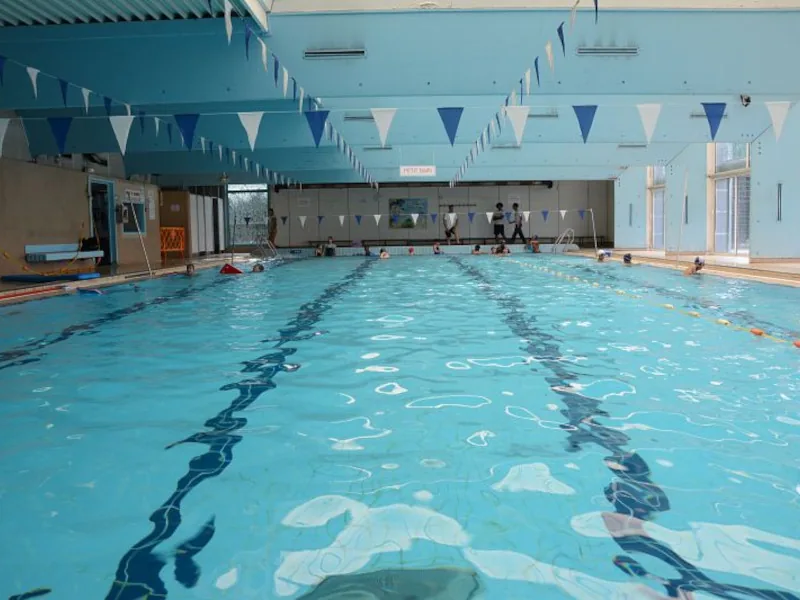
Piscine Busserine
Marseille · 25 m pool
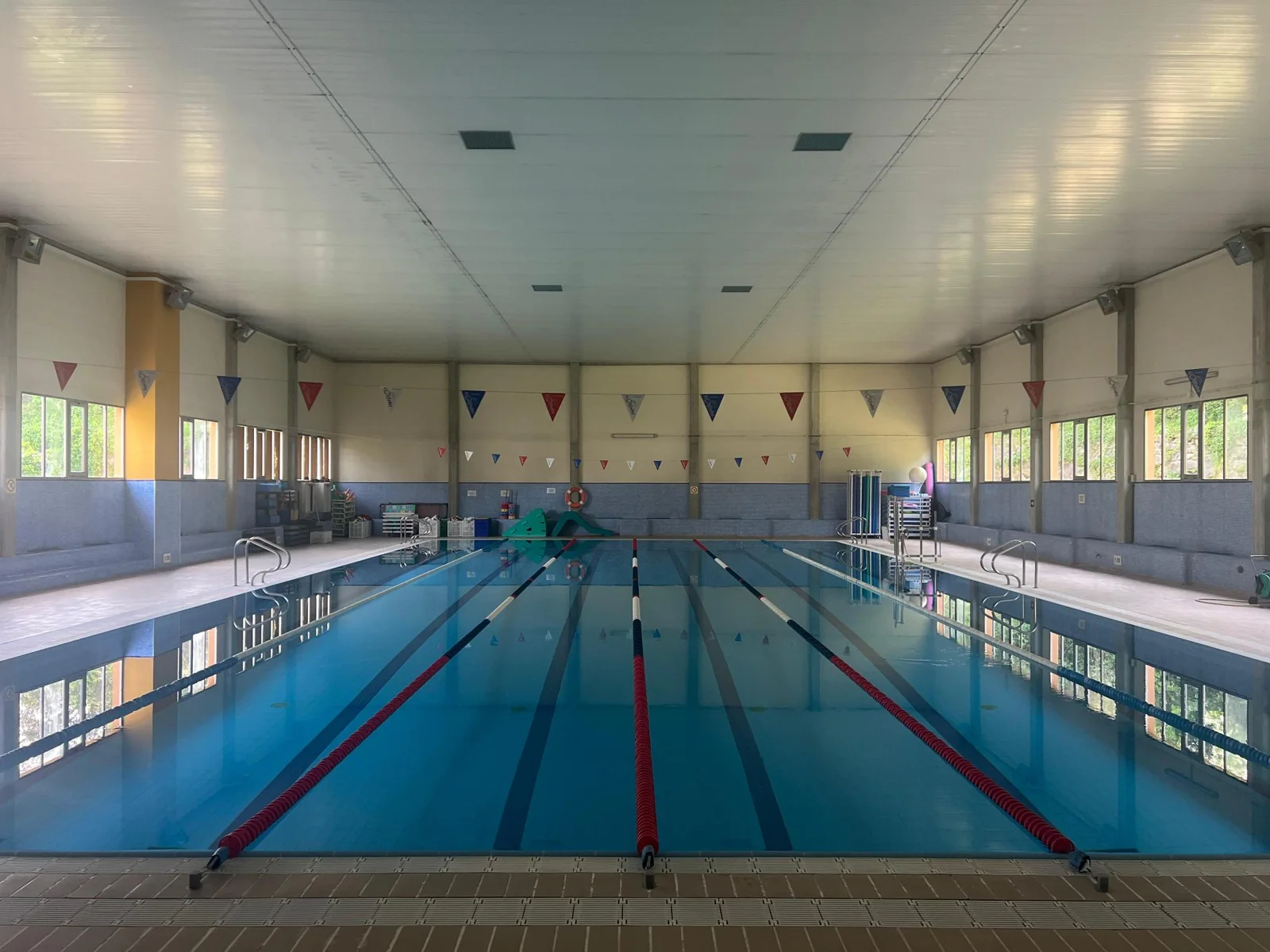
Piscina Municipal de Palau
Girona · 25 m indoor pool
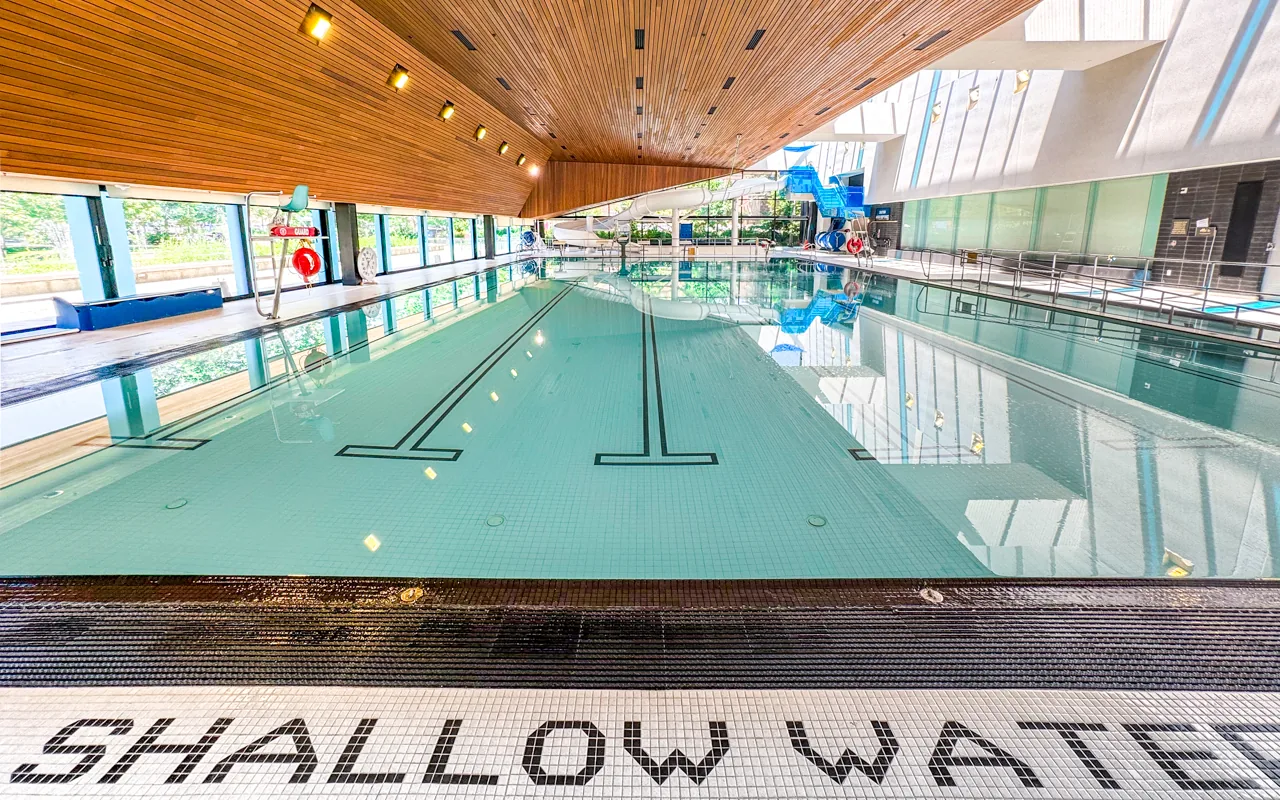
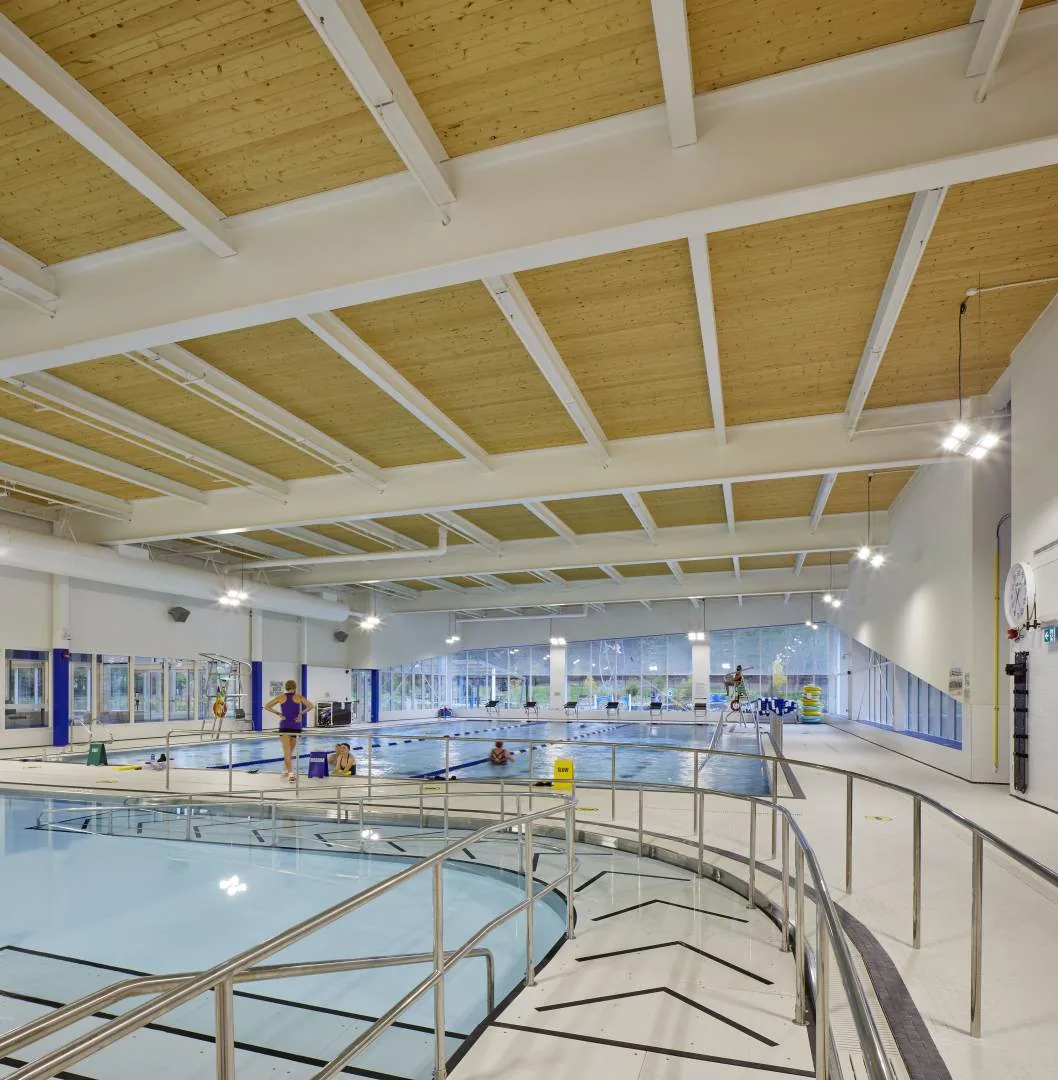
Pam McConnell Aquatic Centre
Toronto · Marked shallow end
Aquanatal classes
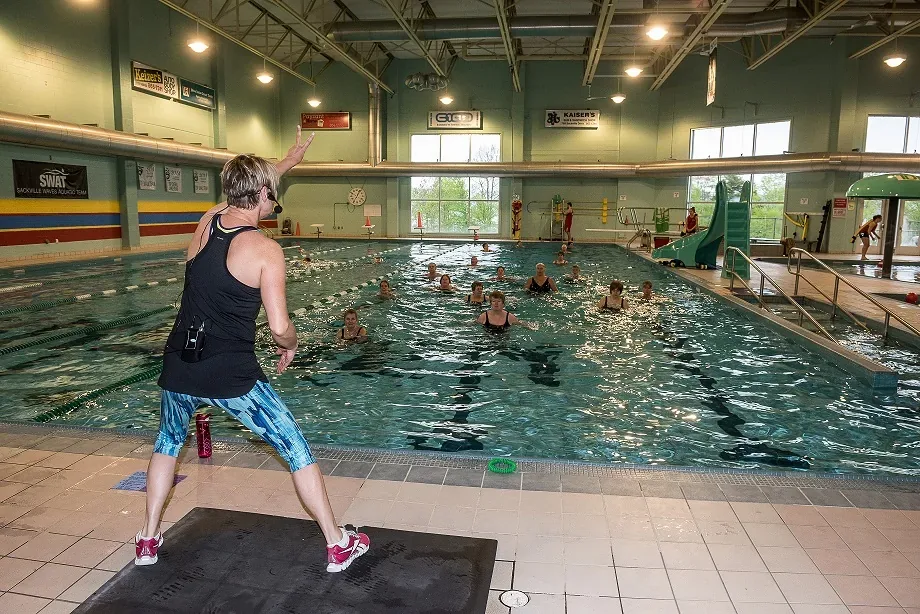
Aquanatal classes are water exercise sessions for pregnant women, usually in the shallow end and led by an instructor or midwife trained in antenatal exercise. They involve walking, gentle stretches and light resistance work, and you do not need to be a strong swimmer. They are also a good way to meet other people due around the same time. Many leisure centres run them; ask at reception or your midwife.
When to stop and get help
Stop swimming and get out of the pool if you feel unwell, dizzy, faint or too hot. Ireland's health service, the HSE, lists signs that mean you should contact your midwife or doctor straight away (HSE: when to stop exercising). They include:
- bleeding from the vagina or leaking fluid
- chest pain, palpitations or shortness of breath
- severe pain in your tummy, back or pubic area
- regular contractions
- your baby moving less than usual
- headaches, or pain or swelling in your calf
If you have a health condition such as heart disease, a placenta problem, or a history of premature labour, speak to your midwife or doctor before you start swimming.
Swimming after the birth
The NHS says to wait until 7 days after your postnatal bleeding has stopped before you go swimming (NHS: keeping fit with a baby). If you had a caesarean or a complicated birth, recovery takes longer, so check with your midwife, health visitor or GP first.
FAQ
Is chlorine safe when pregnant?
Yes. Chlorine in public pools is kept at levels that are safe for swimmers, including pregnant women. Shower afterwards if it irritates your skin.
Can I swim in the first trimester?
Yes, if you feel well. Keep the effort comfortable and stop if you feel faint or sick.
Can swimming bring on labour?
Ordinary, comfortable swimming is not known to start labour. Many people swim right up to their due date.
Is it safe to swim in the sea while pregnant?
Calm water with a lifeguard is fine for confident swimmers. Avoid strong currents, big waves and swimming alone, and get out if you feel cold.