Cold water swimming: benefits and risks
 By the Find My Swimming Pool team·
Updated ·
6 min read
Cold water swimming has gone from a niche habit to queues at the lido gate on frosty mornings. Some of the claimed benefits have research behind them, many do not yet, and the risks are real enough that you should know them before your first dip.
The short answer
Regular cold water swimmers report better mood, more energy and less tension, and small studies back this up. A 2022 review of 104 studies found signs of benefits for insulin sensitivity and body fat but called the evidence inconclusive. The main risk is cold water shock: a gasp and fast breathing in the first minute or two in water below about 15°C, which can cause drowning or heart rhythm problems. Start in summer, get in slowly, keep swims short and never swim alone.
Benefits with some evidence
The research on cold water swimming is mostly small studies, often of experienced winter swimmers, who may have been healthier to begin with. With that in mind, here is what it suggests.
- Mood and energy. A Finnish study published in 2004 followed regular winter swimmers from October to January. Their tension, fatigue and negative mood scores fell over the season, and at the end they felt more energetic than a comparison group. Swimmers in that study with rheumatism, fibromyalgia or asthma said it relieved their pain.
- Depression. A 2018 case report described a young woman whose depression eased with weekly open water swimming. A trial of outdoor swimming for mild to moderate depression is now under way in England. Our guide to swimming and mental health covers this in more detail.
- Metabolism. A 2022 review in the International Journal of Circumpolar Health screened the research and judged 104 studies relevant. Many showed measurable effects: cold water immersion seemed to reduce or change body fat and improve insulin sensitivity. The authors concluded that the evidence was not conclusive, because studies were small, often of one sex, and used different temperatures and water types.
- Getting used to the cold. Repeated dips reduce the cold shock response. This is why experienced swimmers can get in calmly where newcomers gasp.
Claims that are not proven
You will read that cold water "boosts your immune system", "burns fat" or "cures inflammation". Some studies point that way, but none of these is established. Weight loss from cold dips is small next to the effect of the swimming itself and what you eat afterwards (a hot chocolate and cake undo a lot). Treat strong promises with caution, especially from people selling courses or kit.
The risks
Cold water shock
The Met Office describes cold water shock as an involuntary response to sudden immersion in water below 15°C (Met Office: cold water shock). You gasp, your breathing speeds up and your heart rate and blood pressure jump. If your head is under water when you gasp, you can inhale water. The Met Office says the first effects usually last around 90 seconds, so do not try to swim hard straight away. Lean back, float and get your breathing under control first.
Heart rhythm problems
A 2012 review in the Journal of Physiology described how plunging into cold water can trigger two opposing reflexes at once, one speeding the heart up and one slowing it down. In some vulnerable people this conflict may cause dangerous heart rhythms. If you have a heart condition, high blood pressure or are pregnant, see a doctor before you start.
Swim failure and hypothermia
After some minutes in cold water your arms and hands lose strength and coordination, and your stroke falls apart. Hypothermia takes longer, but your temperature can keep dropping for a while after you get out, so you can feel worse ten minutes after a swim than during it.
Know the warning signs. Uncontrollable shivering, slurred speech, clumsy hands and confusion after a swim mean you are too cold. Get dry, put on warm layers and a hat, sip a warm drink and get somewhere warm. Do not jump into a hot shower or sauna while you are still shaking badly.
How to start safely
- Start in summer or early autumn and keep swimming as the water cools. Your body adapts gradually.
- Choose a lifeguarded venue. An unheated lido is far safer than open water for your first winter.
- Get in slowly. Use the steps, wet your face and neck, and breathe out long and slow until the gasping settles. Never jump in or go in head first.
- Keep it short. A few minutes is plenty at first. Get out while you still feel fine.
- Never swim alone in open water, and wear a bright cap. A thick silicone or neoprene cap also keeps your head warmer.
- Have warm layers ready before you get in: a dry robe or big towel, hat, gloves, socks and a flask.
- Skip alcohol before and straight after a cold swim.
Where to swim cold
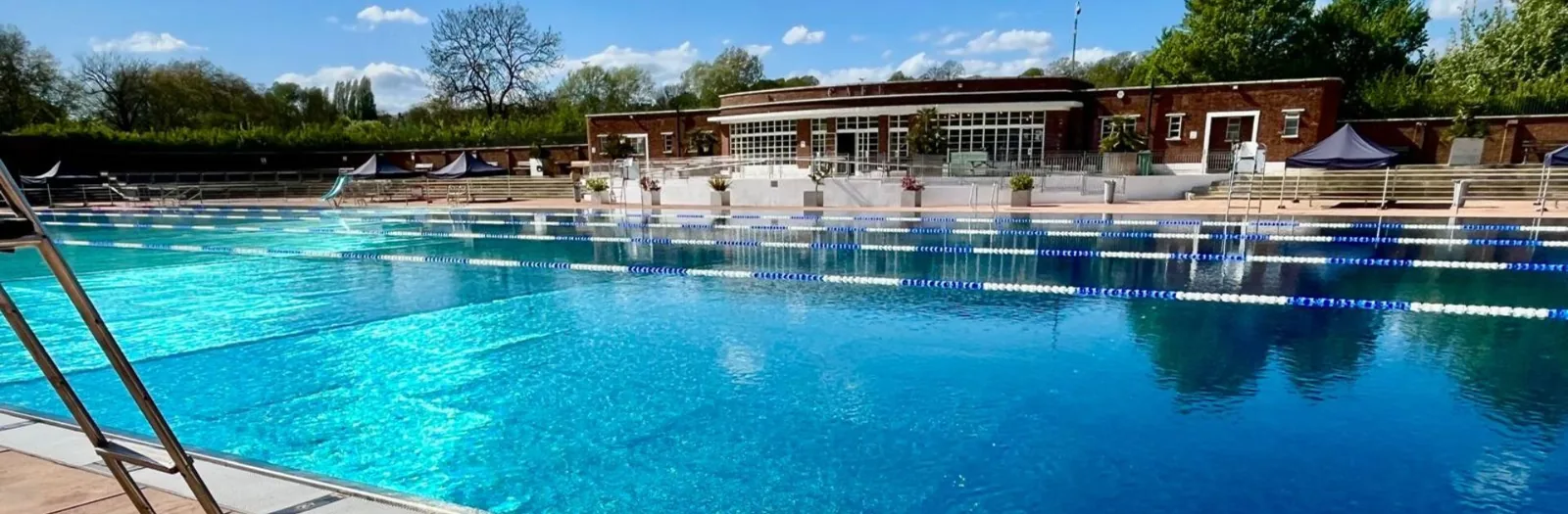
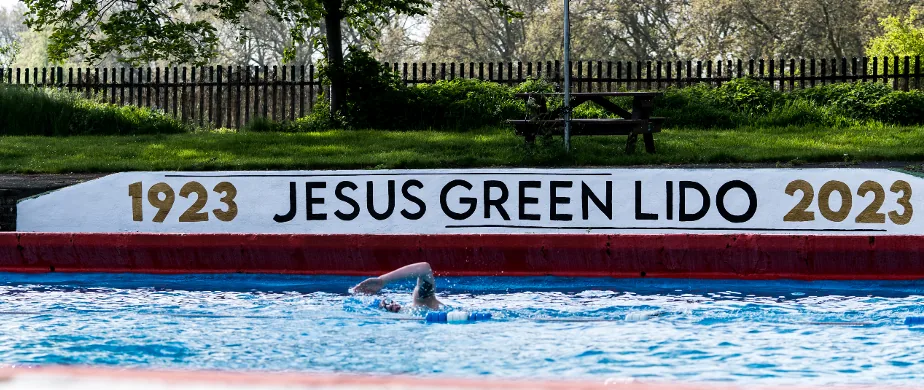
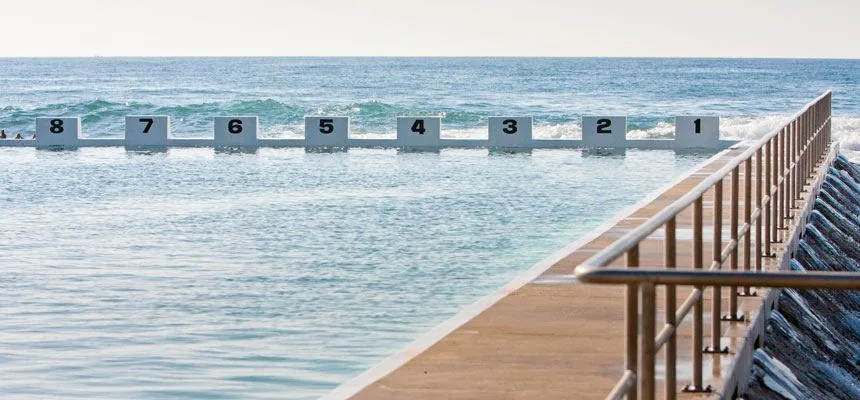
Unheated lidos and ocean pools are the classic places to start. Parliament Hill Lido in London and Jesus Green Lido in Cambridge stay unheated and open through winter. In Australia, ocean pools like Bondi Icebergs fill with sea water, so they follow the sea temperature through the year. Some lidos are heated, which is gentler but not cold water swimming. Check before you go, and see what is a lido for the difference.
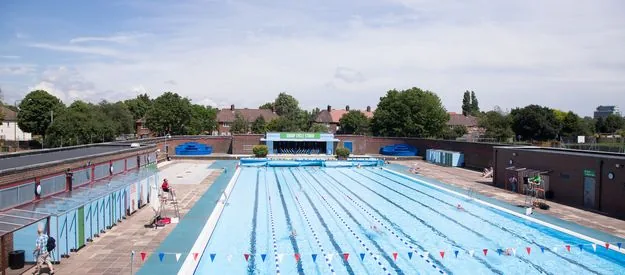
Charlton Lido
London · 50 m outdoor pool
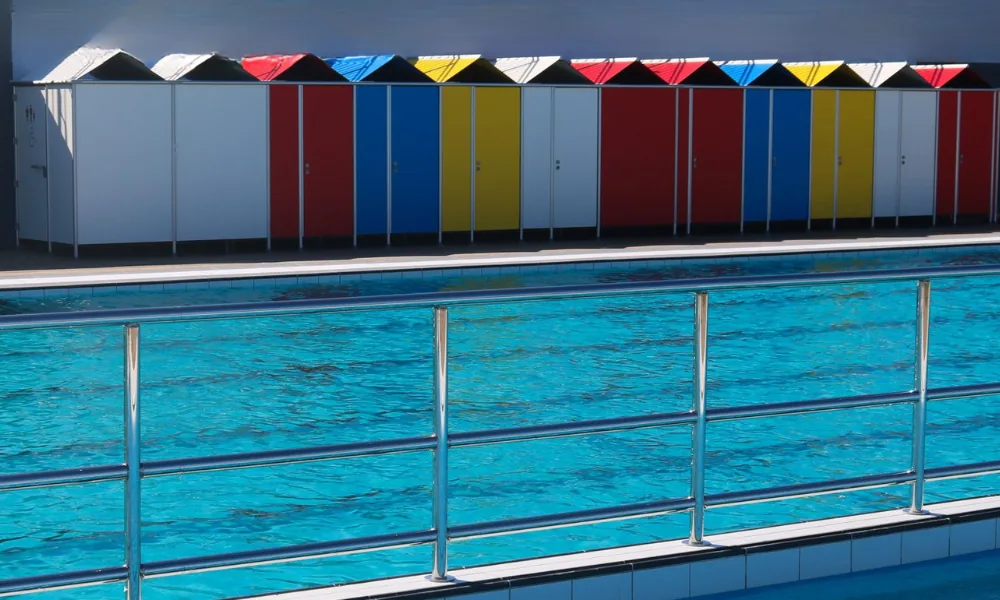
Hilsea Lido
Portsmouth · 67 m lido
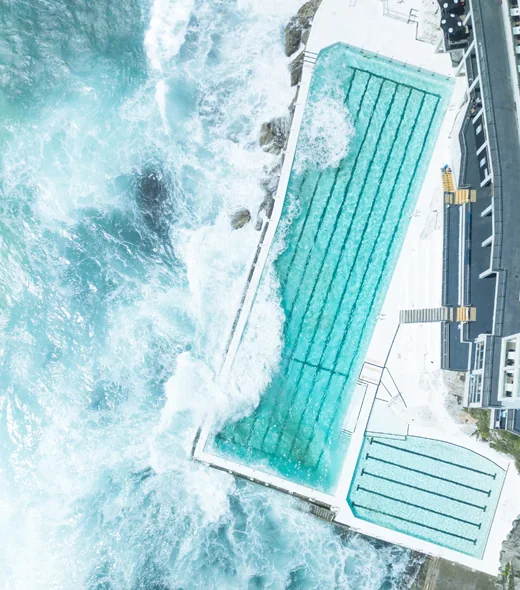
Bondi Icebergs Pool
Sydney · Ocean pool
Cities with the most outdoor pools in our directory:
FAQ
What temperature counts as cold water?
Water below about 15°C is cold enough to cause cold water shock, according to the Met Office. Many British lidos and the sea around the UK and Ireland are below that for much of the year.
How long should you stay in cold water?
There is no safe number for everyone. Beginners should keep to a few minutes and get out while they still feel in control. Time in the water should go down as the temperature drops.
Is cold water swimming good for weight loss?
Not much. Your body burns some extra energy to stay warm, but the swims are short, and the effect is small next to regular exercise and diet.
Can you do cold water swimming in a heated lido?
No. A heated lido is kept warm enough to swim in comfortably all year, which is a different experience from cold water. For cold water you need an unheated lido, an ocean pool or open water.