What is a lido?
 By the Find My Swimming Pool team·
Updated ·
5 min read
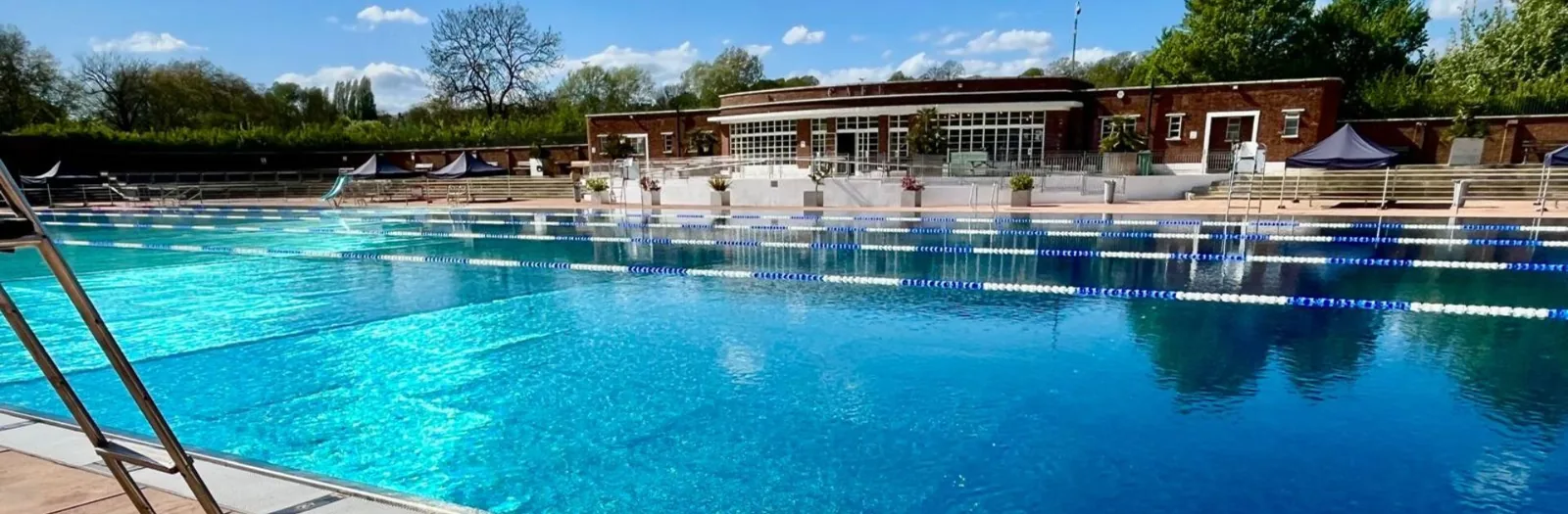
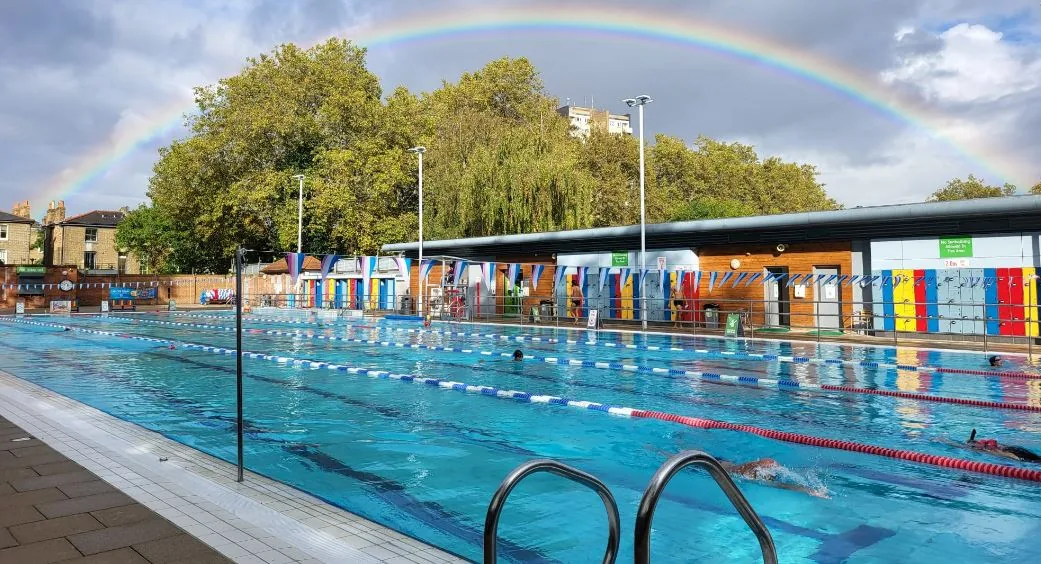
Say "lido" in London, Bristol or Cambridge and people picture a long blue outdoor pool, a 1930s pavilion and a queue on the first hot Saturday. Here is what the word means, where it comes from and what to expect when you go.
The short answer
A lido is a public outdoor swimming pool, usually a large one with sunbathing terraces, changing rooms and often a café. The word is used mainly in the UK and Ireland. It comes from the Italian lido, meaning beach, after the Lido di Venezia near Venice. British councils built well over a hundred lidos in the 1920s and 1930s. Many closed later in the century, but a long list has been restored and some now open all year, heated or unheated.
What the word means
Lido is Italian for beach or shore. The Lido di Venezia, a long sandy island off Venice, became a fashionable bathing resort, and its name spread. In Britain the word became attached to public outdoor bathing places in the 1930s. The Serpentine in Hyde Park was nicknamed "Lansbury's Lido" after its reopening in 1930 under George Lansbury, then First Commissioner of Works.
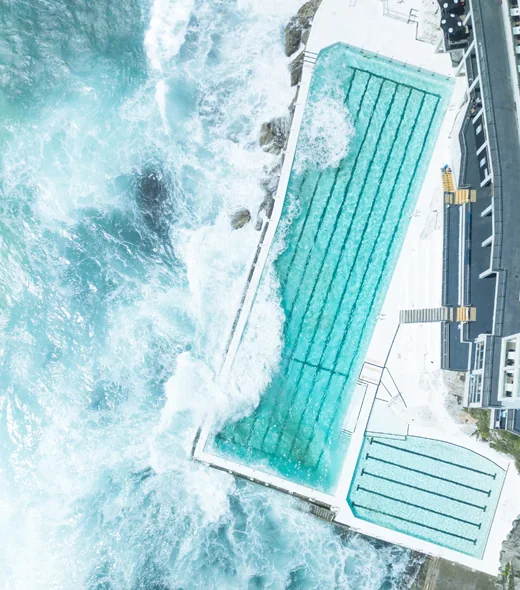
Today a lido in British and Irish English means an open-air public pool, together with the deck, terraces and buildings around it. In Italy and much of Europe, a lido is still a beach or a beach club, not a pool. In Australia and Canada the usual words are outdoor pool or, at the coast, ocean pool or baths.
Not every outdoor pool calls itself a lido, and a few places called lidos are lakes, such as Ruislip Lido in west London, a reservoir with an artificial beach.
A short history of British lidos
People swam outdoors in rivers, ponds and the sea long before, but the lido boom came between the wars. Councils built 169 lidos across the UK as part of a push for public health, fresh air and cheap leisure. Many were in an Art Deco style, with fountains, diving stages, cafés and terraces for sunbathing. The Edmonton Lido in north London, reopened in 1935, was the first open-air pool officially given the name.
Later, cheaper holidays abroad drew people away, and indoor leisure centres took over. Hundreds of outdoor pools closed, especially in the 1980s and 1990s, and many were filled in or built over.
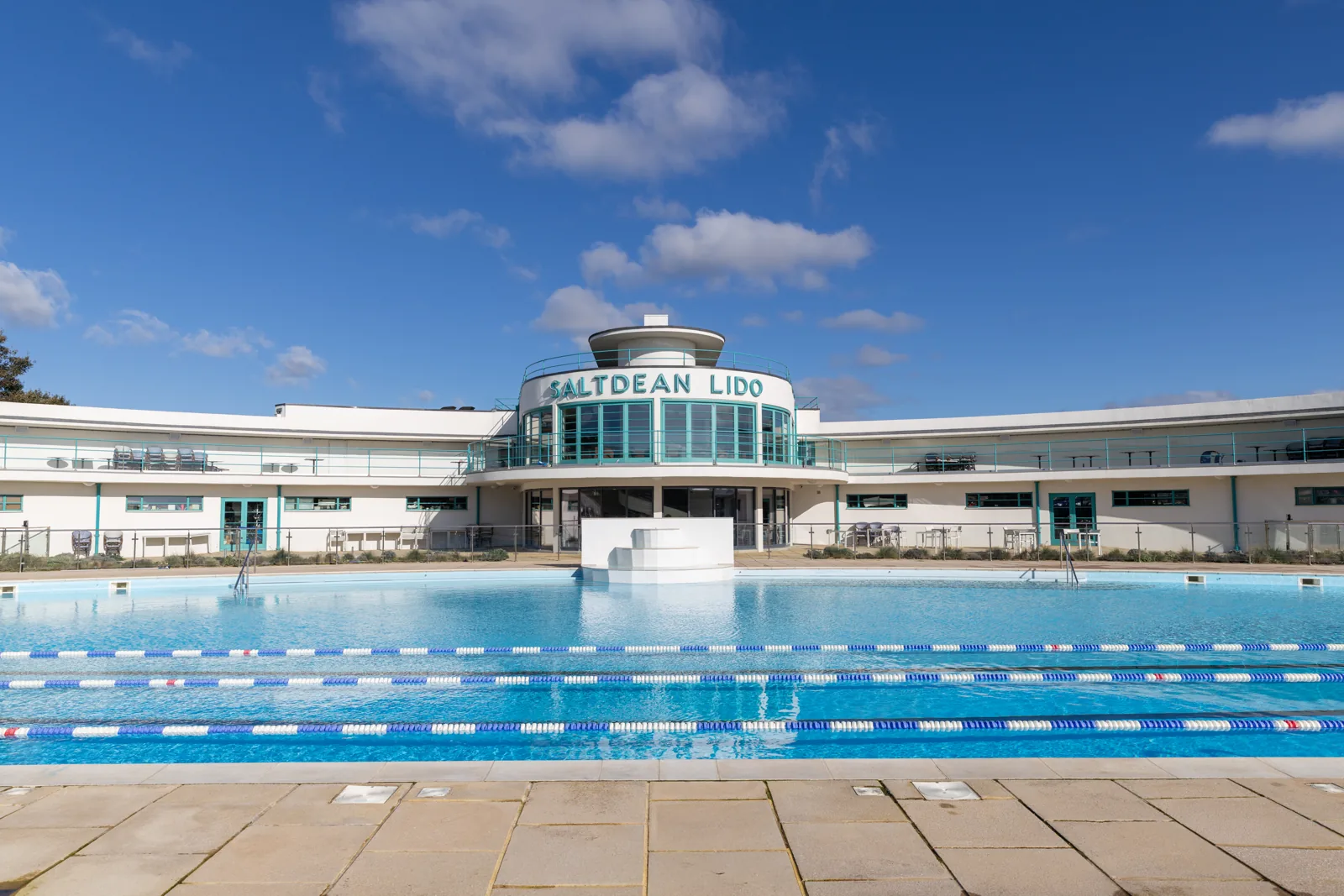
Since the 2000s, campaigns by local swimmers have saved and reopened a long list. London Fields Lido in Hackney reopened in 2006 after a campaign of nearly twenty years. Charlton Lido reopened in 2012, Saltdean Lido in 2017, and Hilsea Lido in Portsmouth, first opened in 1935, reopened in May 2026.
Lidos today: heated and unheated
Lidos now split into three rough groups:
- Heated, open all year. London Fields and Charlton in London run heated 50 m pools through the winter. Bristol Lido is a smaller 24 m heated pool with bookable swims and poolside heat facilities.
- Seasonal. Open roughly May to September. Ilkley Lido near Bradford is an unheated summer lido beside an indoor pool. Saltdean runs a summer season and a short winter season.
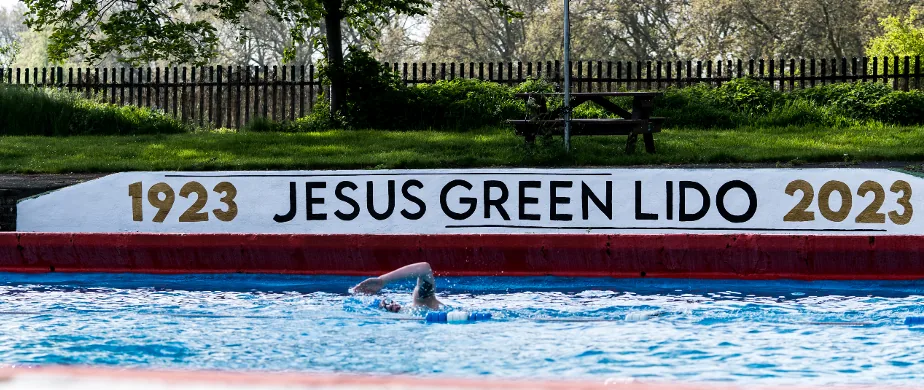
- Unheated, open all year. Parliament Hill on Hampstead Heath is a 60 m unheated pool open every day of the year. Jesus Green in Cambridge is unheated too. Winter water here can be very cold, and regulars swim a few minutes at a time.
Many lidos have added saunas so winter swimmers can warm up, and the cold water swimming boom has made winter sessions busy. Lengths vary a lot. Older lidos were often built to 50 yards, 100 yards or other imperial sizes, which is why you find pools of 60 m, 67 m (Hilsea) and 91.4 m (Jesus Green).
Cold water safety. In an unheated lido outside summer, get in slowly, keep your first swims short and warm up gradually afterwards with layers and a hot drink. Read cold water swimming before your first winter dip.
Visiting a lido
- Book in summer. Popular lidos sell out on hot days. Most sell timed sessions online a week or so ahead.
- Check the temperature. Many lidos post the water temperature each morning on their website or social media.
- Prices. In the UK in 2026, a casual adult swim at the lidos in our directory costs roughly £5 to £9. Parliament Hill charges £5 in winter and £8.80 for summer daytime sessions; Hilsea is £8.
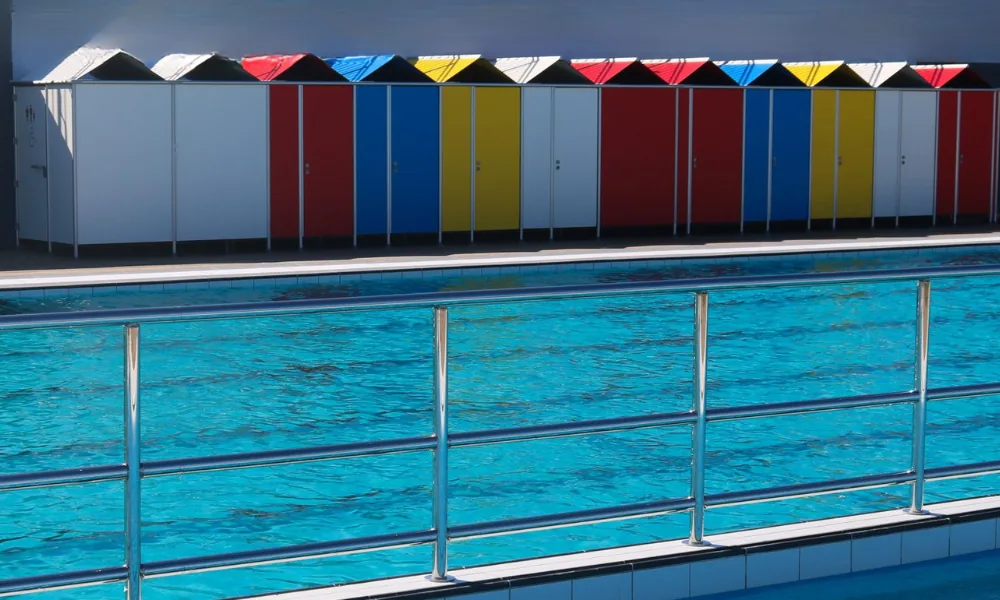
- Bring: a towel, warm layers, a hat for after cold swims, flip-flops and sunscreen in summer. Some lidos have outdoor changing cubicles or huts.
- Lanes. Most lidos rope off lanes for lane swimming and leave an open area for everyone else. Lane etiquette is the same as indoors.
Cities with the most outdoor pools in our directory:
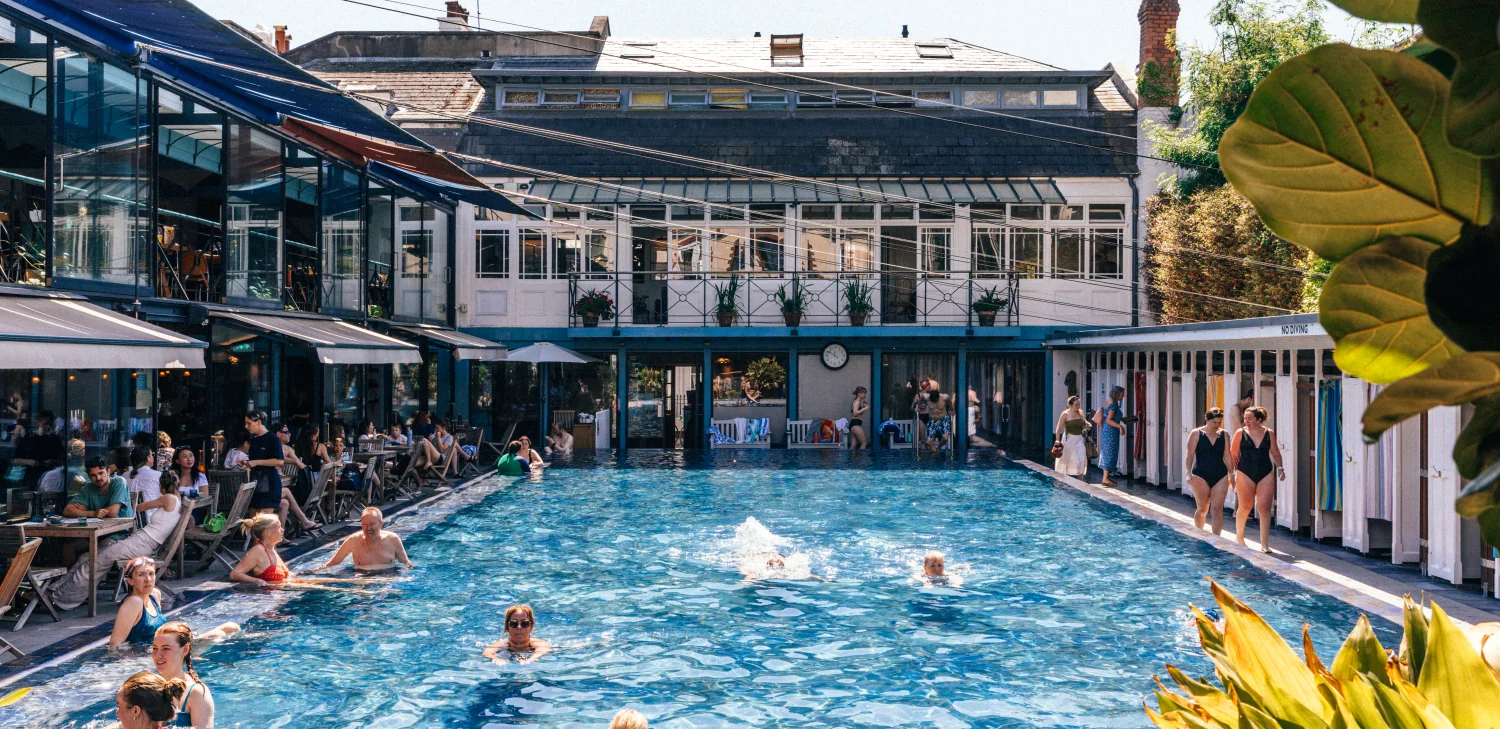
Bristol Lido
Bristol · 24m heated pool
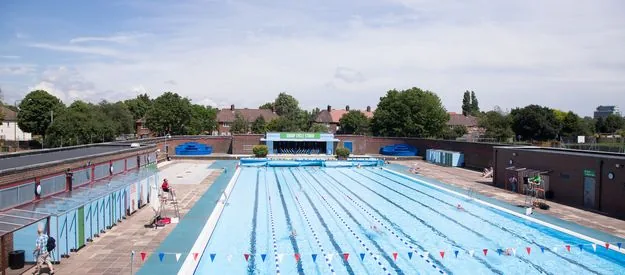
Charlton Lido
London · Heated 50m pool
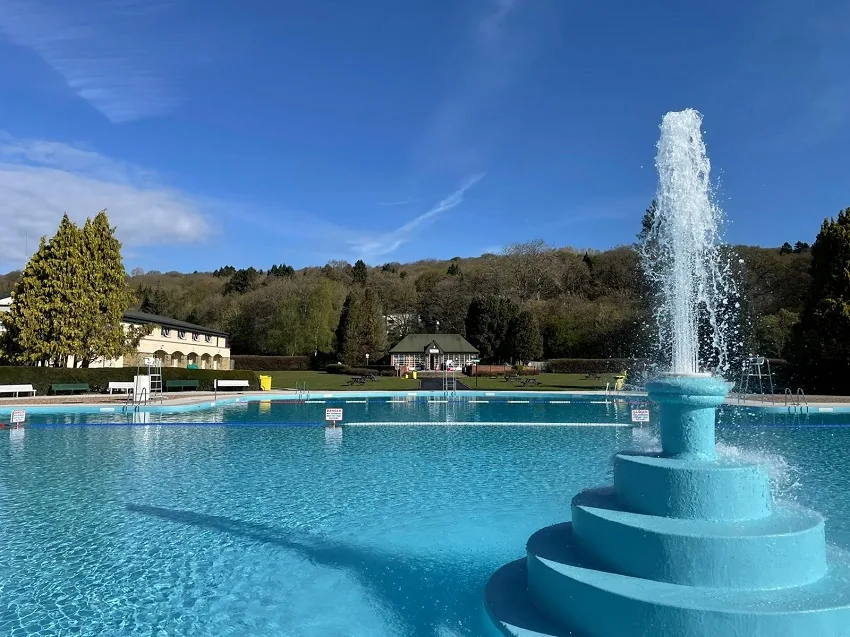
Ilkley Pool and Lido
Bradford · Unheated summer lido
For how outdoor swimming compares with indoor pools, read indoor vs outdoor pools. For seawater pools on the coast, see ocean pools.
FAQ
What is the difference between a lido and a swimming pool?
A lido is a kind of swimming pool: a public outdoor one, usually with terraces and a pavilion. Indoor pools are not called lidos.
Are lidos heated?
Some are and some are not. London Fields, Charlton, Bristol and Saltdean are heated. Parliament Hill, Jesus Green and Ilkley are unheated.
Are lidos open in winter?
A growing number are. Several London lidos open all year, and some seasonal lidos run short winter seasons. Check before you go.
Where does the word lido come from?
From Italian, where lido means beach or shore. The Lido di Venezia near Venice gave the name to outdoor bathing places in Britain in the 1930s.