Verrucas and athlete's foot from swimming pools
 By the Find My Swimming Pool team·
Updated ·
5 min read
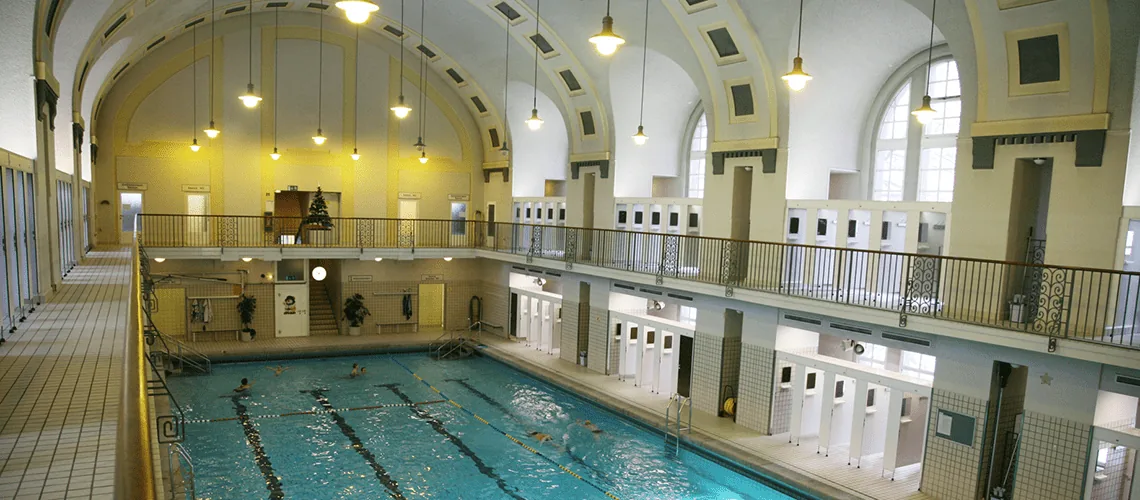
Verrucas and athlete's foot are the two foot problems people blame on swimming pools. The pool water is rarely the problem. The wet floors around it are, and a few simple habits cut your risk a long way.
The short answer
You can pick up a verruca or athlete's foot at a pool, mostly from wet changing room and shower floors rather than from the pool water. A verruca is caused by a virus and spreads from contaminated surfaces, more easily when skin is wet or damaged. Athlete's foot is a fungal infection that spreads the same way. Wear pool shoes or flip-flops on the poolside and in the showers, dry between your toes and don't share towels. You can still swim with a verruca: the NHS says to cover it with a plaster.
Where you pick them up
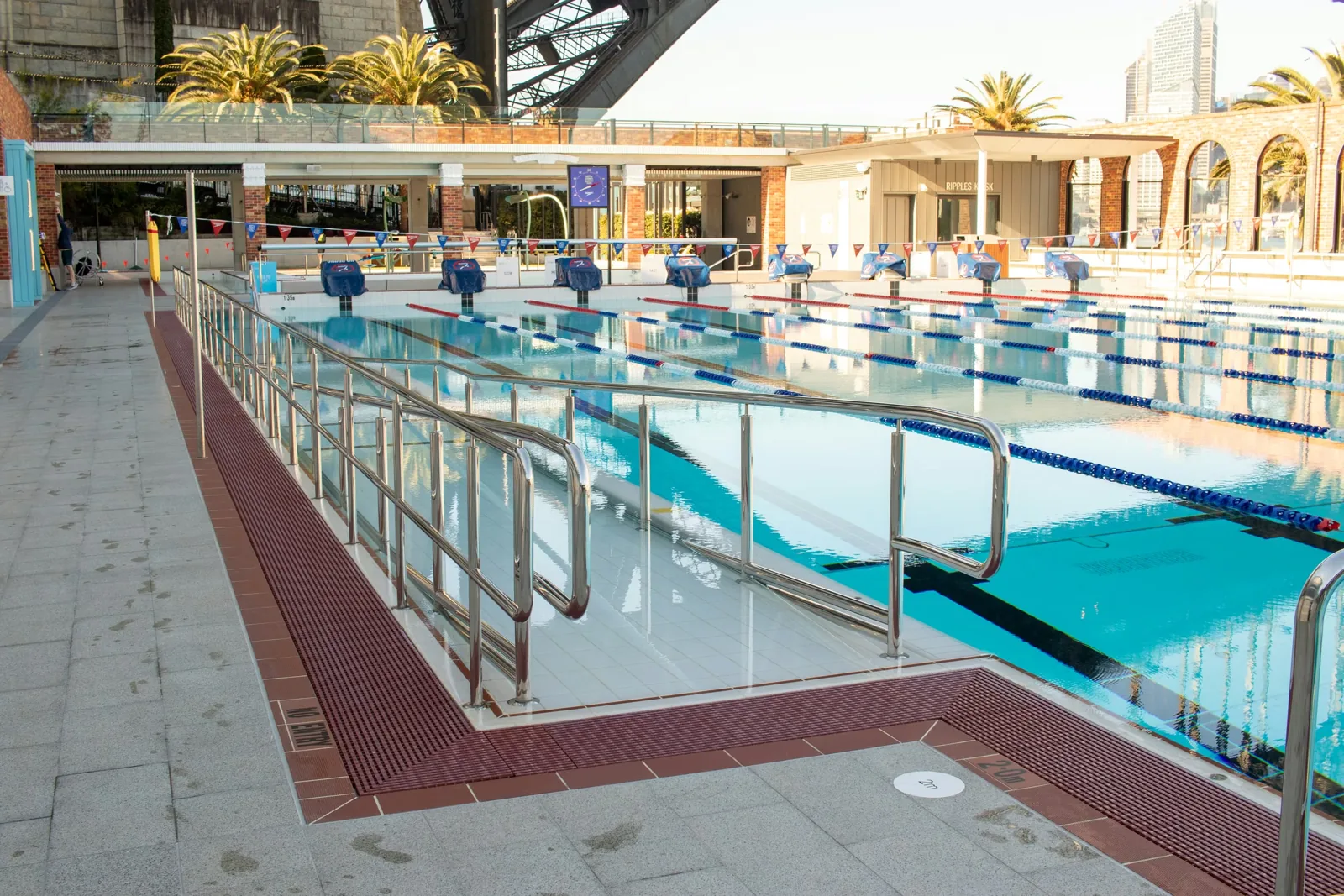
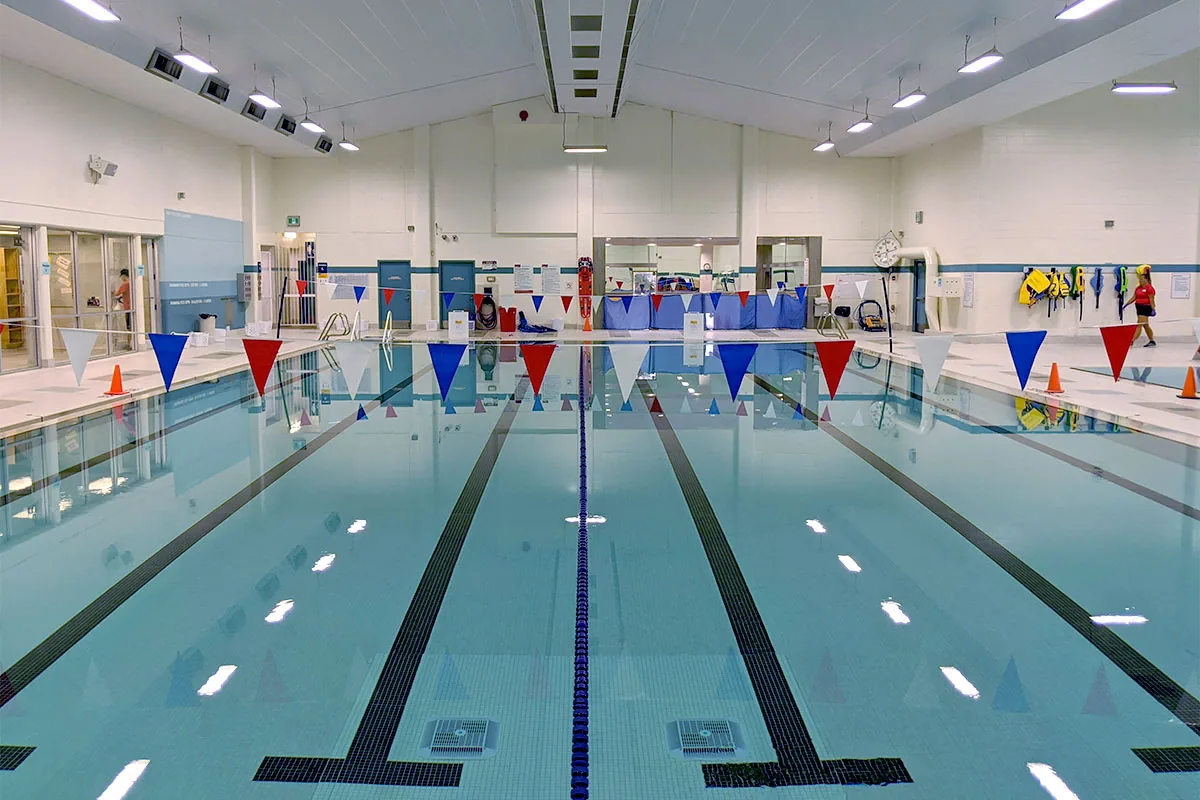
Pool water is treated with chlorine or another disinfectant, and the water itself is not where most foot infections start. The risk is on the floor around it: the changing room, the showers and the poolside, where many bare feet walk over warm, wet tiles every hour.
Both conditions take hold more easily on skin that is soft from soaking or has small cuts and cracks. After a long swim the skin on your soles is exactly like that, which is why the walk from the pool to your locker matters more than the swim.
Verrucas
A verruca is a wart on the sole of the foot. It is caused by a virus, and the NHS says warts and verrucas can spread from contaminated surfaces or through close skin contact. You are more likely to pass one on, or catch one, when the skin is wet or damaged.
Verrucas are often flat because you walk on them, and they can have small black dots in the middle. They can hurt when you stand on them, a bit like a small stone in your shoe. They are also slow: the NHS notes it can take months for one to appear after contact with the virus, so the swim you blame may not be the one that gave it to you.
Many verrucas go away on their own, though that can take months or even years. Pharmacy creams, plasters and sprays can help, but the NHS says they can take up to 3 months, may irritate the skin and do not always work.
Athlete's foot
Athlete's foot is a fungal infection. The usual first sign is itchy white patches between the toes. The skin can also be sore, flaky, red or cracked, and the infection can spread to the soles and sides of the foot. Left alone, it can reach the toenails and cause a fungal nail infection.
The NHS lists walking barefoot where others have it, especially in changing rooms and showers, as one of the main ways to catch it. Wet or sweaty feet and damaged skin make it more likely. Unlike many verrucas, athlete's foot is unlikely to clear up on its own, but antifungal creams, sprays and powders from a pharmacy usually work within a few weeks.
How to protect your feet
- Wear pool shoes or flip-flops. Keep them on from the changing room to the pool edge and back, and in the shower. Many pools in Spain and Italy require them anyway. Our guide to pool shoes covers which kind to buy.
- Dry your feet properly. Dab rather than rub, and dry between every toe. Damp skin between the toes is where athlete's foot starts.
- Use your own towel. Don't share towels, socks or shoes, even with family.
- Put on clean socks. Fresh cotton socks after your swim, not the pair you arrived in after a run.
- Look after cracked skin. Dry, split heels let infections in more easily. A simple moisturiser on the heels, not between the toes, helps.
Check the floor, not the water. If a changing room floor is always flooded or the showers look neglected, wear shoes all the way into the cubicle and stand on your bag or a towel to dress.

Swimming with a verruca or athlete's foot
You don't have to stop swimming. For verrucas the NHS advice is to cover them with a plaster when swimming and not to walk barefoot in public places while you have one. A waterproof plaster works for a short swim. Some swimmers prefer a verruca sock, a thin rubber or latex sock that covers the whole foot, and some pools and swimming clubs ask children to wear one.
With athlete's foot, carry on treating it, keep your feet covered in the changing room and showers, and dry them carefully afterwards. The NHS says you don't need to stay off work or school with it, and the same common sense applies to the pool.
Showering before and after your swim is good practice for other reasons too. See why you should shower before swimming.
When to see a GP
Most cases are handled with a pharmacist's help. See a GP if:
- a verruca keeps coming back, is very large or painful, or bleeds or changes how it looks;
- pharmacy treatment for athlete's foot has not worked, or you are in a lot of pain;
- your foot or leg becomes hot, painful and red, which can mean a more serious infection;
- you have diabetes or a weakened immune system. Foot infections need more care in that case.
A GP can freeze a verruca, sometimes over a few sessions, or refer you to a podiatrist. The NHS page on warts and verrucas lists the options.
FAQ
Can you catch a verruca from pool water?
It is possible but the bigger risk is the wet floor of changing rooms, showers and the poolside, where the virus spreads from surfaces to soft or damaged skin.
Do I have to tell the pool I have a verruca?
Usually not. Cover it with a waterproof plaster or a verruca sock and wear flip-flops around the pool. A few clubs and lesson programmes have their own rules, so check if your child swims with one.
Does chlorine kill the verruca virus?
Chlorine in the water helps, but it does not reach the wet tiles and puddles in changing rooms and showers, which is where most people pick it up.
How long does athlete's foot treatment take?
Pharmacy antifungal creams, sprays and powders usually take a few weeks to work. Keep drying between your toes and wearing clean socks after it clears to stop it coming back.