Why wear a swimming cap?
 By the Find My Swimming Pool team·
Updated ·
5 min read

Some pools turn you away without one, others never mention it. A swim cap does a few useful jobs, for you and for the pool, and the right one costs less than a coffee.
The short answer
A swim cap keeps loose hair out of the water, the filters and your eyes. It also cuts drag, keeps your head a little warmer and makes you easier to spot in open water. It does not keep your hair dry and only partly protects it from chlorine. Many public pools in France, Spain, Italy and Germany require one. In the UK, Ireland, Australia and Canada most pools leave it up to you.
Why pools ask for caps
The main reason is hair. Every swimmer sheds some, and long hair sheds a lot. Loose hair clogs the strainers in front of the pumps, tangles in the filters and collects in the gutters along the edge of the pool. Staff then have to stop and clear it, and a blocked filter cleans the water less well.
Hair also carries hair products, sweat and skin oils into the water. Those use up chlorine, which is part of why pools ask you to shower first. A cap holds most of that in place for the length of your swim.
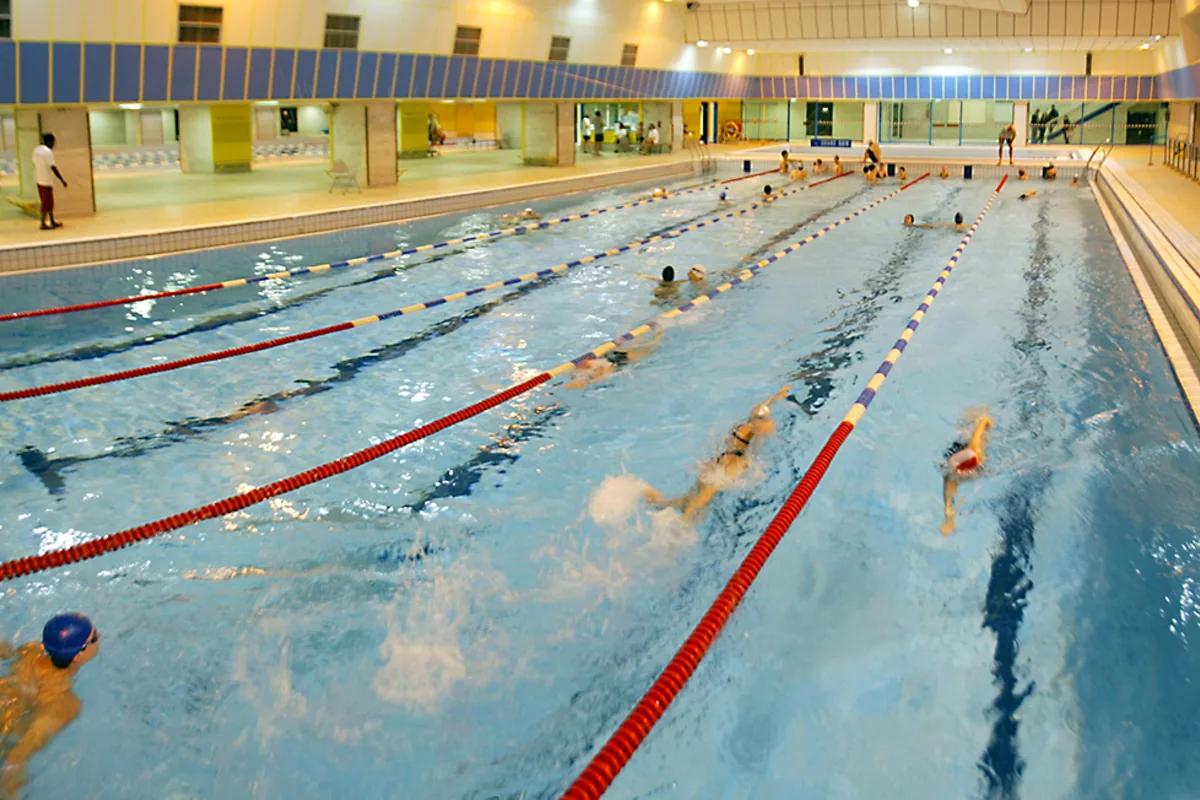
There is a lifeguard reason too. A bright cap is much easier to see from the side, especially in a busy lane or in outdoor water with glare on the surface.
What a cap does for you
- Hair out of your face. Long hair across your eyes and mouth makes breathing to the side awkward. A cap ends that.
- Less drag. A smooth cap lets water slide over your head. Club and racing swimmers wear one for this reason alone.
- Goggles stay put. Putting the goggle strap over the cap, or between two caps as racers do, stops it slipping in your hair.
- Warmth. You lose heat through your head in cold water. In a lido or the sea a thicker silicone or neoprene cap makes a noticeable difference.
- Visibility. Open water events make bright caps compulsory so safety crews can count swimmers.
Hair, chlorine and dry hair
A cap does not keep your hair dry. Water gets in at the edges within a few lengths, and more if you dive or turn. A tight silicone cap keeps out more than a fabric one, but expect damp hair either way.
What a cap does is cut how much pool water moves through your hair. Less water flowing through means less chlorine soaking in. If you swim several times a week, a simple routine helps more than the cap alone:
- Wet your hair in the shower before you put the cap on. Hair already full of clean water takes up less pool water.
- Put the cap on with dry hands so it grips, and tuck everything in at the back.
- Rinse with fresh water straight after your swim, then wash and condition.
Our guide to protecting your hair from chlorine has more on this, including blonde hair turning green.
Long hair and caps. Tie hair into a low bun first, then pull the cap on from the front of your forehead to the back. A long-hair cap with extra room at the back is easier than forcing a bun into a standard cap.
Where caps are compulsory
Rules are set by each pool, but there are clear patterns by country.
| Country | Public pools |
|---|---|
| France | Usually compulsory for everyone, men with short hair included |
| Spain | Compulsory at most municipal indoor pools; outdoor summer pools vary |
| Italy | Almost always compulsory, often with pool slippers too |
| Germany, Austria | Often required for long hair; rules vary by pool |
| United Kingdom, Ireland | Usually optional; some clubs and lessons ask for one |
| Australia, New Zealand, Canada | Usually optional |
If you are visiting a pool abroad, pack a cap anyway. Most pools that require one sell them at reception, but not all do, and the cheapest option at the desk is rarely the most comfortable.
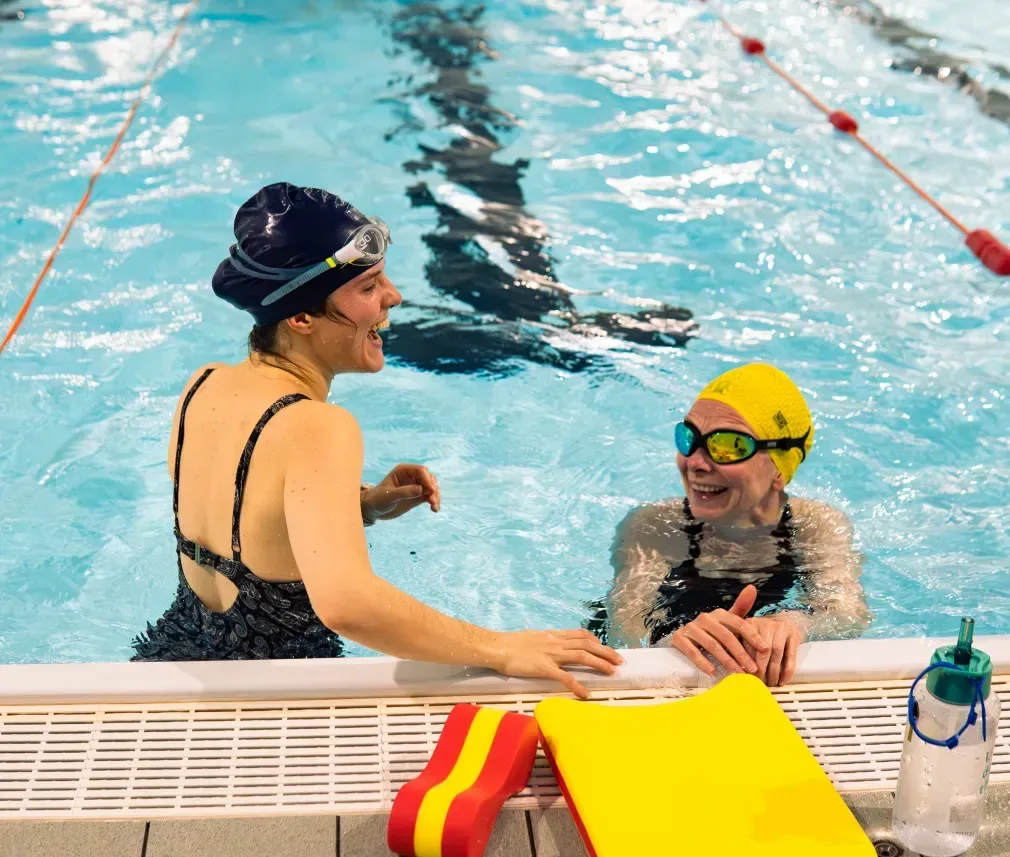
Piscine Armand Massard
Paris · Cap required
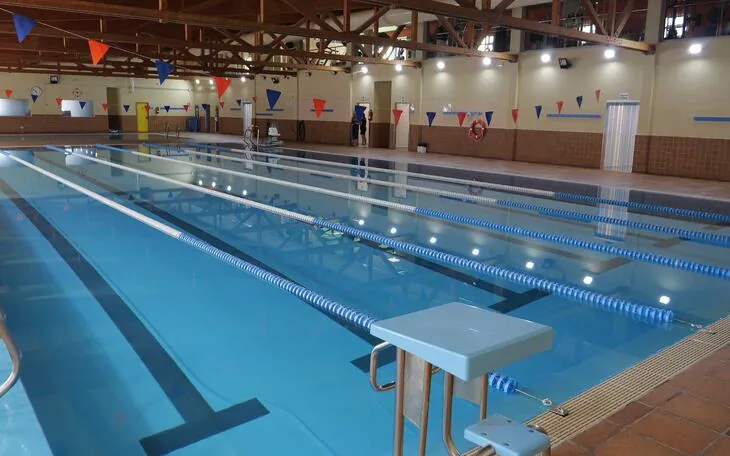
Lonsdale Swimming Pool
Derby · Caps optional
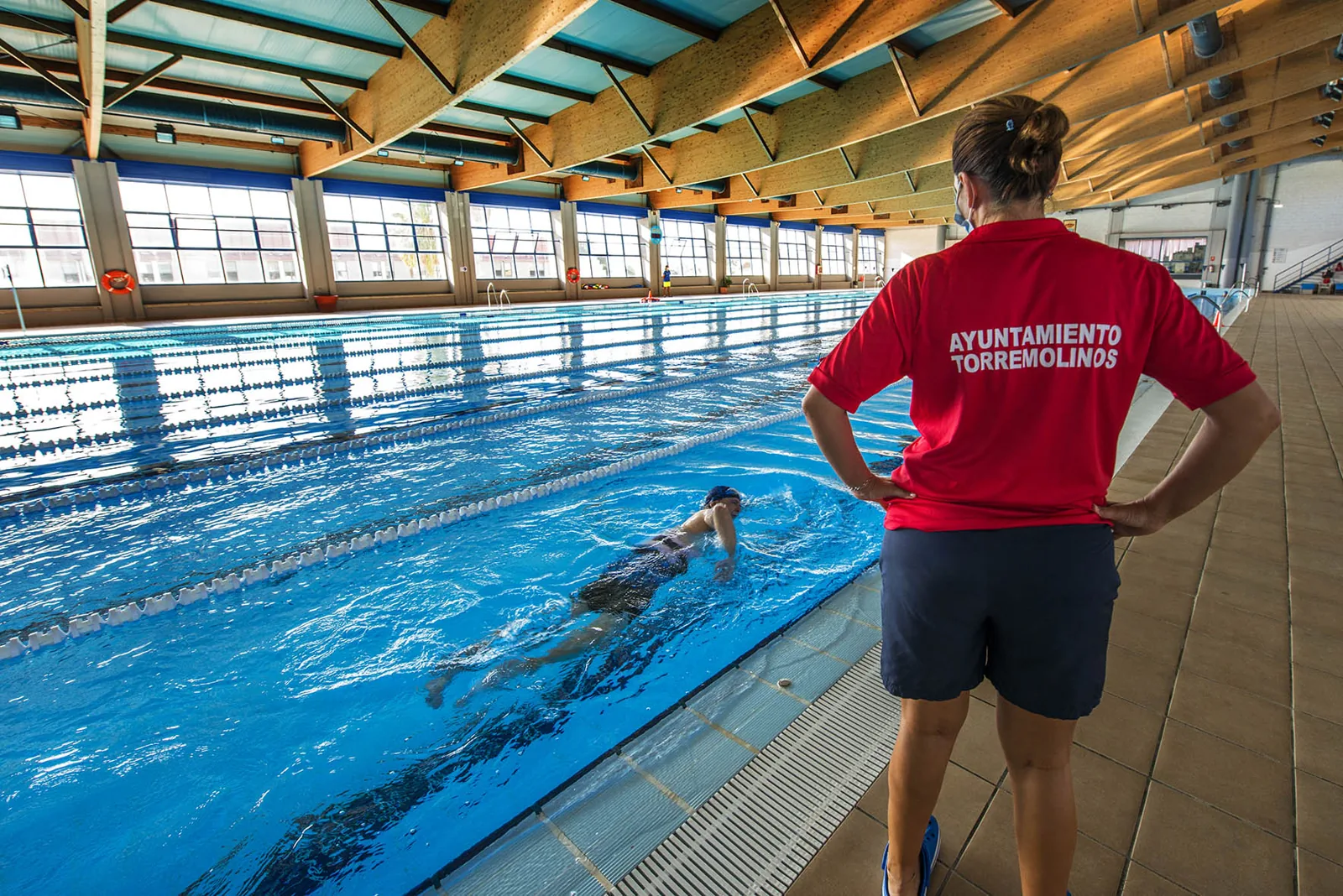
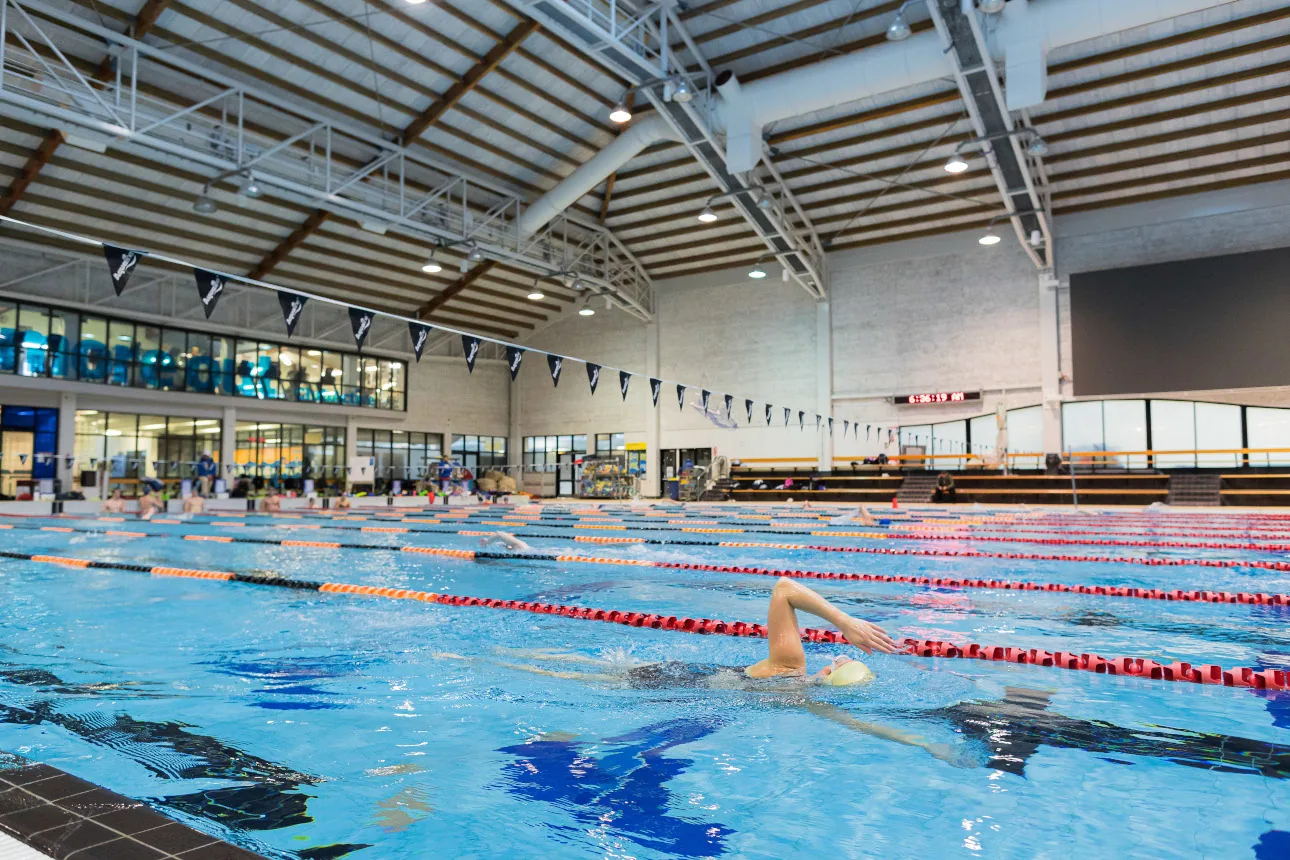
Virgen del Carmen I y II indoor pools
Torremolinos · Indoor lane pool
Which cap to buy
There are three common materials, and a few special shapes.
- Silicone. Thick, stretchy and durable. It grips well, keeps out the most water and pulls hair less than latex. The best all-round choice for most swimmers.
- Latex. Thin, cheap and light. It tears more easily and can pull hair. Avoid it if you have a latex allergy.
- Fabric (lycra or polyester). Comfortable and easy to put on, and it does not pull at all. It lets plenty of water through and adds a little drag. Fine for relaxed swimming and for children.
- Long-hair and volume caps. Extra space at the back for long hair, braids or locs.
- Neoprene caps. Thick, often with a chin strap, made for cold open water.
Read silicone, latex or fabric swim caps for a closer comparison, and how to put on a swim cap if yours keeps popping off.
FAQ
Do men with short hair need a swim cap?
Where caps are compulsory, as in most of France and Italy, the rule applies to everyone. Elsewhere it is your choice. Short hair sheds less, but a cap still helps your goggles stay in place.
Does a swim cap stop chlorine damage?
It reduces it but does not stop it, because water still gets in. Wetting your hair before swimming and rinsing straight after makes more difference.
Are fabric caps allowed where caps are compulsory?
Usually yes. The rule is about covering your hair, not about the material. A few pools ask for silicone or latex only, so check if you are unsure.
How long does a silicone cap last?
With a rinse in fresh water after each swim and drying away from direct heat, a silicone cap lasts a year or more of regular swimming.