Why you should shower before swimming
 By the Find My Swimming Pool team·
Updated ·
5 min read

Most pools have a sign asking you to shower before you swim, and plenty of people walk straight past it. The shower is not a formality. A minute under it changes the water you and everyone else swims in.
The short answer
You shower before swimming to wash off sweat, skin oils, deodorant, make-up and other products before they reach the pool. In the water, those react with chlorine to form chloramines, which cause the sharp pool smell, red eyes and irritated lungs, and they use up chlorine meant for killing germs. The CDC says a one-minute shower removes most of the dirt, sweat and oils. Wetting your hair first also means it soaks up less pool water. In some countries the shower is a strict rule, done without a swimsuit.
What a shower takes off
Even if you showered at home that morning, you have picked up more by the time you reach the pool. A quick rinse removes:
- Sweat, especially if you cycled, ran or came from the gym.
- Skin oils and dead skin.
- Deodorant, perfume, body lotion and fake tan.
- Make-up and hair products such as gel, spray and dry shampoo.
- Traces of urine and faeces. Not pleasant to think about, but everyone carries small amounts on their skin.
- Dirt and grit from the walk in.
The CDC says a one-minute shower removes most of the dirt, sweat and oils that use up pool chemicals. One minute is not a lot to ask.
Why it matters for the water
Chlorine is added to pool water to kill germs. It does not know the difference between a germ and a smear of sweat. Every bit of organic matter that goes into the pool uses some of it up.
When chlorine reacts with nitrogen compounds from sweat and urine, it forms chloramines. These are what most people think of as the smell of chlorine. A pool that reeks of "chlorine" usually has too many chloramines, not too much chlorine. They cause:
- red, stinging eyes (see red eyes after swimming)
- itchy skin and a dry throat
- coughing and irritated airways, worst at indoor pools with poor ventilation
Pools fight chloramines with ventilation, fresh water and higher chlorine dosing, but the easiest fix is to stop the material going in. That is why the shower sign is there. Read why do pools smell of chlorine for more on that smell.
What it does for you
The shower is also in your own interest.
- Hair. Hair soaked in clean water takes up less pool water, so less chlorine gets into it. Our guide to protecting your hair from chlorine starts with this step.
- Skin. Wet skin absorbs less pool water too, and clean skin has less to react with the chlorine.
- Temperature. A lukewarm shower before an outdoor pool or a cool pool takes the edge off the shock of getting in.
- Goggles and caps. Caps go on more easily over wet hair, and you are less likely to get sun cream in your eyes if you wash off the excess.
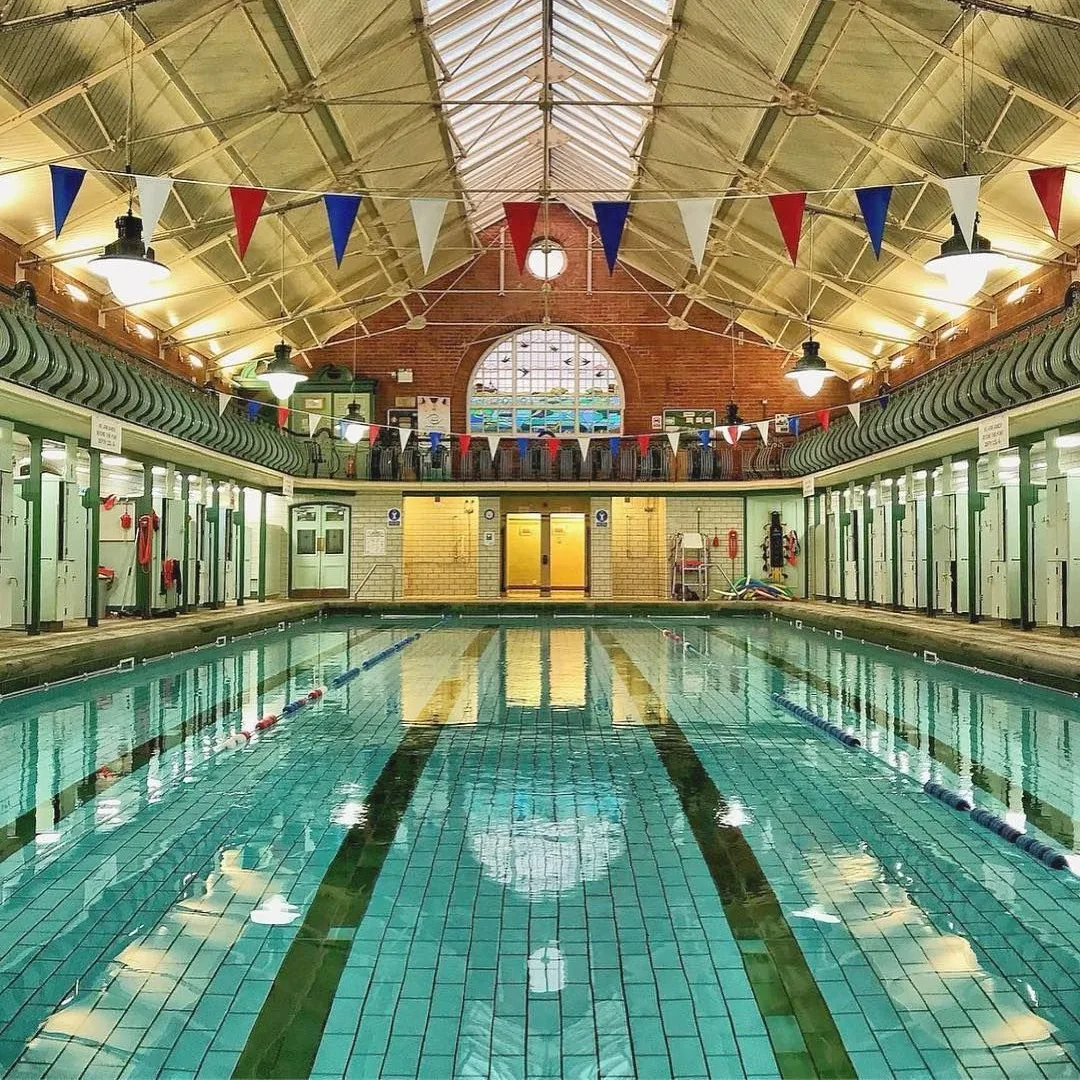
How to shower before swimming
- Use the toilet first. Then you will not need to leave the pool, and you will rinse off afterwards.
- Rinse your whole body for a minute or so, in particular armpits, groin, feet and face. Soap is welcome but not needed for a pre-swim rinse in most pools.
- Wash off make-up, lotion and fake tan. Thick layers of sun cream are best applied well before you go to an outdoor pool so they can sink in.
- Wet your hair thoroughly, then put your cap on.
- Walk straight to the pool without stopping in the café or the street.
Most pools have showers on the poolside or at the exit of the changing room. You can shower in your swimsuit in the UK, Ireland, Australia, New Zealand and Canada. For what to wear and bring, see your first time at a public pool.
Shower after, too. The post-swim shower washes chlorine off your skin and hair. It matters more for you than for the pool, especially if you swim often.
Shower rules in different countries
In some parts of Europe, especially the Nordic countries, the pre-swim shower is taken much more seriously.
| Country | What to expect |
|---|---|
| Iceland and the other Nordic countries | A thorough wash without your swimsuit, before you put it on. In Reykjavik this is written into the pool rules (Reykjavik pool rules), and many Nordic pools follow the same custom. |
| Rest of continental Europe | A shower before the pool is normally expected and is often in the posted pool rules. Check the signs at the pool. |
| UK, Ireland, Australia, New Zealand, Canada | Signs usually ask you to shower, and you keep your swimsuit on. |
If you are travelling, follow what the locals do. The naked shower in Nordic pools is ordinary there and nobody looks.
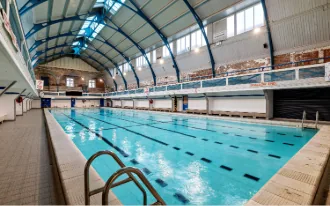
Health Hydro
Swindon · Victorian pool
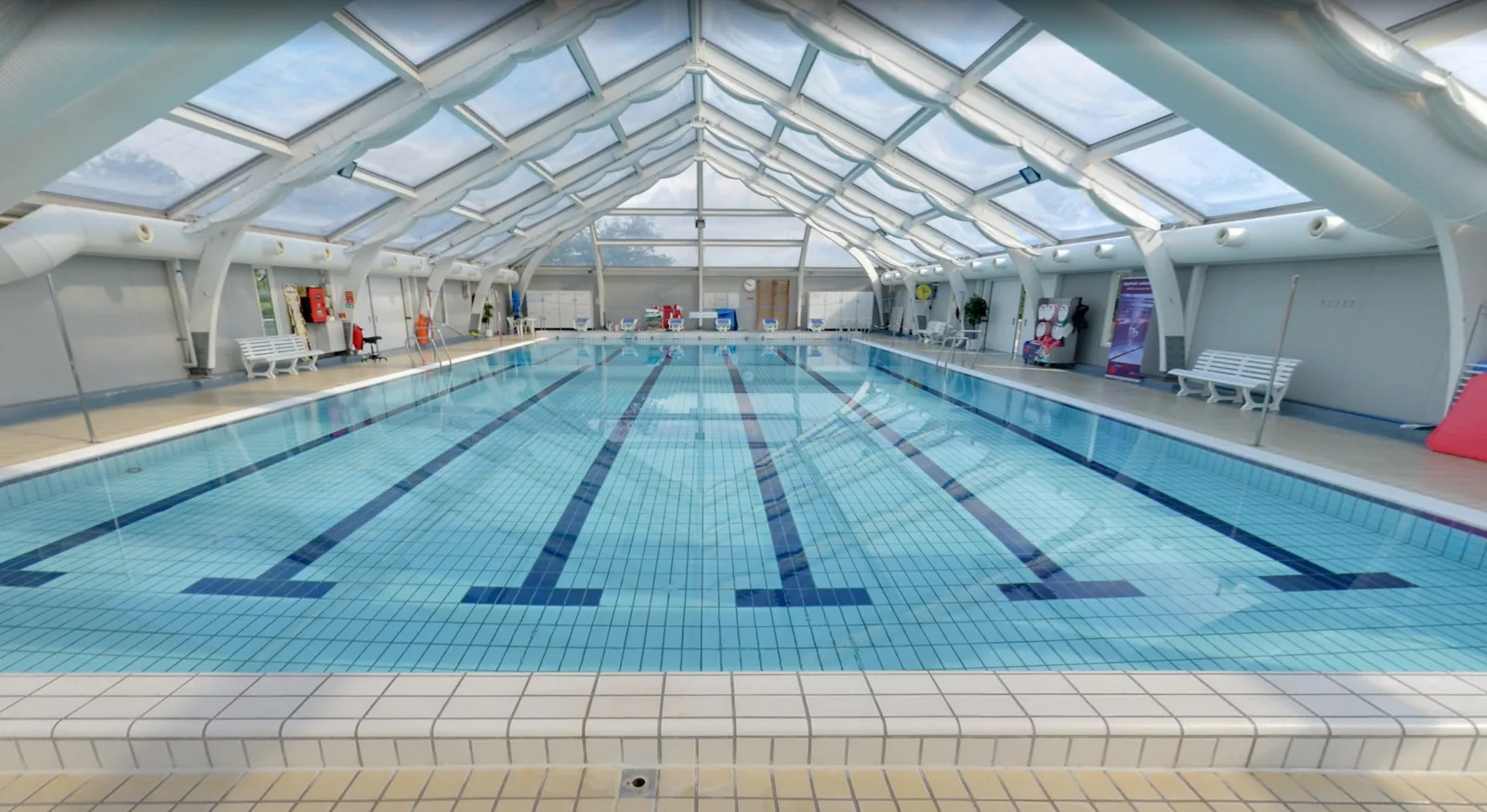
Sundby Bad
Copenhagen · Glass-roofed pool
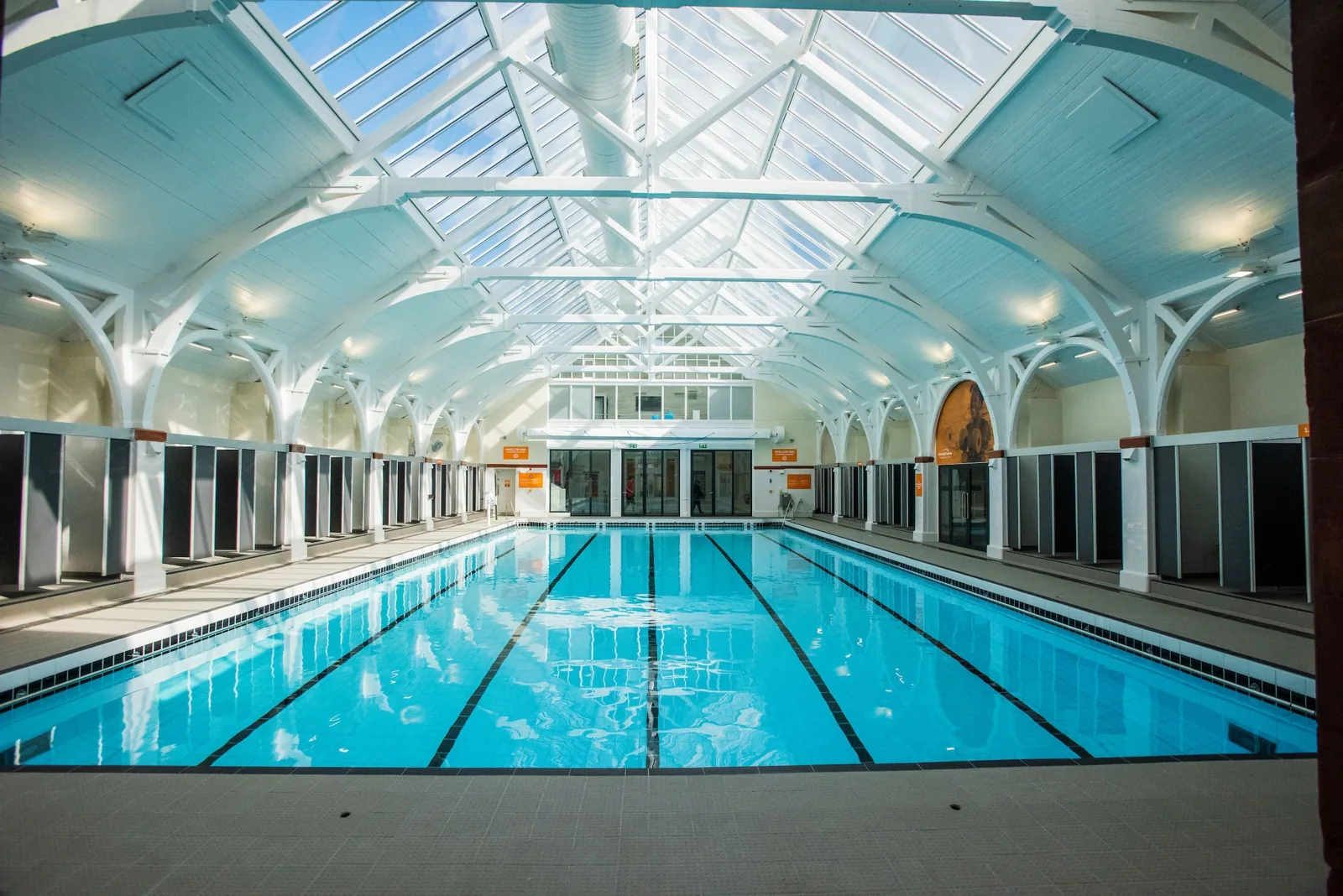
Warrender Swim Centre
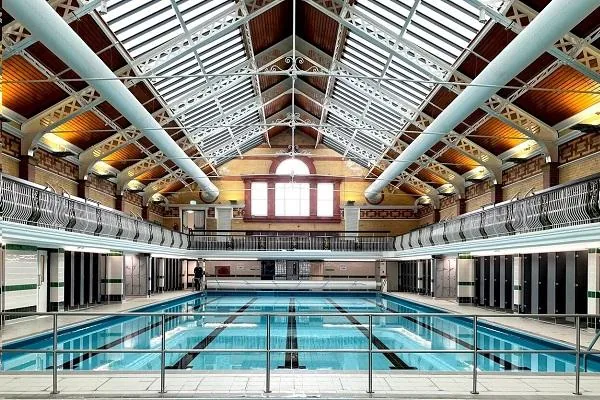
Edinburgh · Victorian pool hall
FAQ
Do I have to shower before swimming if I showered at home?
Yes, a quick rinse at the pool is still worth it. You pick up sweat and dirt on the way, and the rinse also wets your hair so it absorbs less pool water.
Do I need to use soap before swimming?
In most UK, Irish and Australian pools a rinse is enough. In Iceland and other Nordic countries, a soap shower without your swimsuit is the norm.
How long should you shower before swimming?
About a minute. The CDC says a one-minute shower removes most of the dirt, sweat and oils that use up pool chemicals.
Why do pools smell less when people shower?
The smell comes from chloramines, formed when chlorine reacts with sweat and urine. Less sweat and grime going in means fewer chloramines.