What happens if you swallow pool water?
 By the Find My Swimming Pool team·
Updated ·
5 min read
Everyone swallows a bit of pool water sooner or later: a wave from the next lane, a mistimed breath, a child going under. Usually nothing happens. Here is what the risks actually are, and when to keep an eye out.
The short answer
In most cases, nothing. A mouthful of water from a properly treated pool is very unlikely to harm you. The chlorine level is low and is not poisonous in that amount. The real risk is germs, not chemicals: if someone with a stomach bug has been in the pool, some germs, mainly the parasite Cryptosporidium, survive chlorine for days and can cause diarrhoea a few days later. Do not drink pool water on purpose, keep your mouth closed when your face is in, and watch for stomach symptoms over the following week or two.
The chlorine
Pool water contains chlorine at low levels. In the US, the CDC's guidance for pools is at least 1 part per million of free chlorine. Public pools elsewhere follow their own national standards, also at low levels. Tap water is also chlorinated, at lower levels, and many people drink it every day.
At those concentrations, a mouthful or two of pool water will not poison you. It may taste unpleasant and some people feel slightly queasy afterwards, especially if they swallowed a lot during a long session or on an empty stomach. That passes.
The exception is concentrated pool chemicals: tablets, granules or liquid chlorine before they are added to the water. These are dangerous to swallow and should be kept locked away from children at home pools. If anyone swallows pool chemicals, call emergency services or a poisons helpline straight away. That is a different situation from swallowing pool water. For more on chlorine itself, see is chlorine bad for you.
The germs
The CDC says chlorine and bromine at proper levels kill most germs within minutes. That covers most bacteria and viruses. A few germs are tougher.
- Cryptosporidium. A parasite that the CDC says can survive more than seven days in properly chlorinated water. It is the main cause of pool-related stomach illness. It gets into the water when someone with diarrhoea swims, and you catch it by swallowing water.
- Germs that have not been killed yet. Straight after a faecal accident, before chlorine has had time to work, other germs can be present too. That is why pools clear the water and close for a while.
The risk from a single mouthful is low, but it is not zero. It is higher in shallow toddler and splash pools, in hot weather when pools are busy, and in pools that are not well maintained. A hot tub is not somewhere to put your face in the water at all. See can you get ill from a swimming pool for the full list of pool illnesses.
Symptoms to watch for
If you did pick something up, it will not show straight away. The CDC says crypto symptoms generally start 2 to 10 days after infection, 7 days on average, and last 1 to 2 weeks.
| When | What you might notice | Likely cause |
|---|---|---|
| Minutes to an hour | Mild nausea, a chemical taste | Irritation from swallowing chlorinated water; passes quickly |
| Within a day | Vomiting or diarrhoea | Probably not the pool; many stomach bugs take longer |
| 2 to 10 days | Watery diarrhoea | Possible Cryptosporidium or another gut infection |
Drink plenty of fluids if you have diarrhoea. Stay out of pools while you have it, and for two weeks after it has completely stopped if you have crypto, as the CDC advises. That stops you passing it to others.
See a doctor if diarrhoea lasts more than a few days, you see blood, you cannot keep fluids down, you show signs of dehydration such as dark urine and dizziness, or you have a weakened immune system. Tell them you have been swimming.
Children who swallow pool water
Children swallow more water than adults, because they splash, go under and play with their faces in the water. The same rules apply: a mouthful of treated pool water is very unlikely to harm them. Watch for diarrhoea over the following days, and keep them drinking if it starts. Young children dehydrate faster than adults, so ask a doctor or pharmacist for advice sooner rather than later.
Teach them not to drink the water, and give them a drink of clean water during breaks so they are not thirsty in the pool.
Swallowing vs breathing in water
Swallowing water and breathing it in are different things. Water that goes down into the stomach is the germ issue above. Water that is breathed into the airway, usually after going under unexpectedly, makes someone cough and splutter. Most of the time they clear it and are fine within minutes.
If someone, especially a child, has had a scare in the water and afterwards keeps coughing, struggles to breathe, has chest pain or seems unusually sleepy or confused, get medical help straight away.
How to swallow less
- Breathe out underwater. Blowing bubbles steadily through your nose and mouth while your face is in stops water rushing in when you turn to breathe.
- Breathe away from the wave. In a busy lane, turn to breathe on the side away from the swimmer next to you.
- Wear goggles. When you can see, you are less likely to get caught out. See why wear goggles.
- Keep your mouth closed when you play or float with your face near the surface.
- Shower first and use the toilet. If everyone does, there is less in the water to worry about. See why you should shower before swimming.
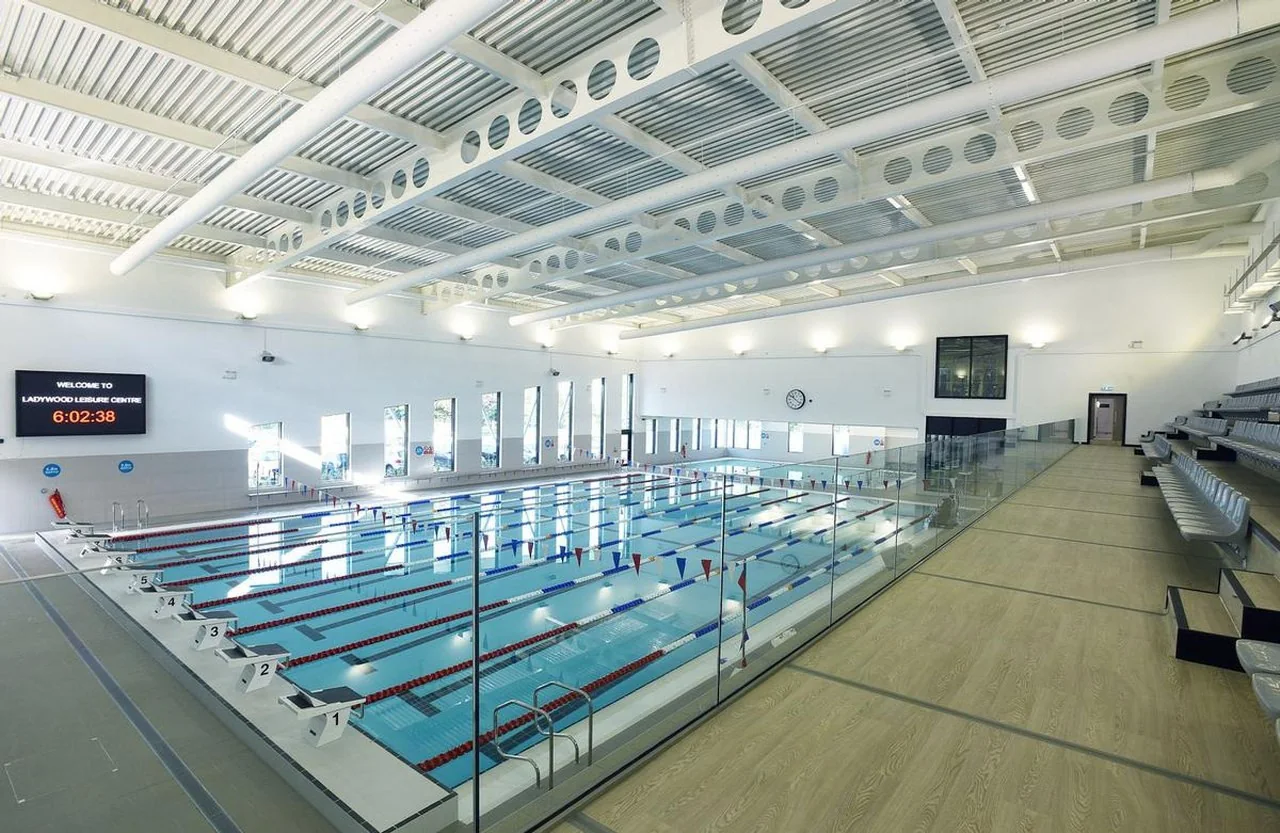
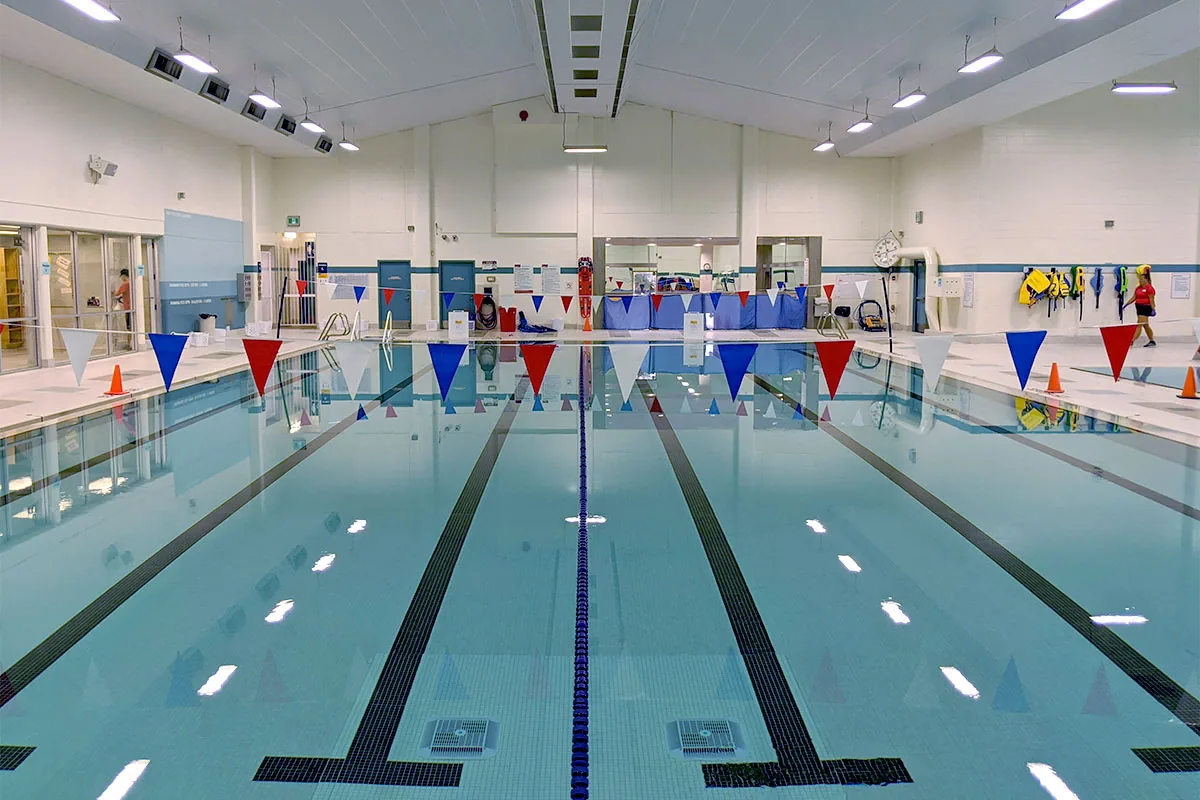
Ladywood Leisure Centre
Birmingham · 8-lane public pool

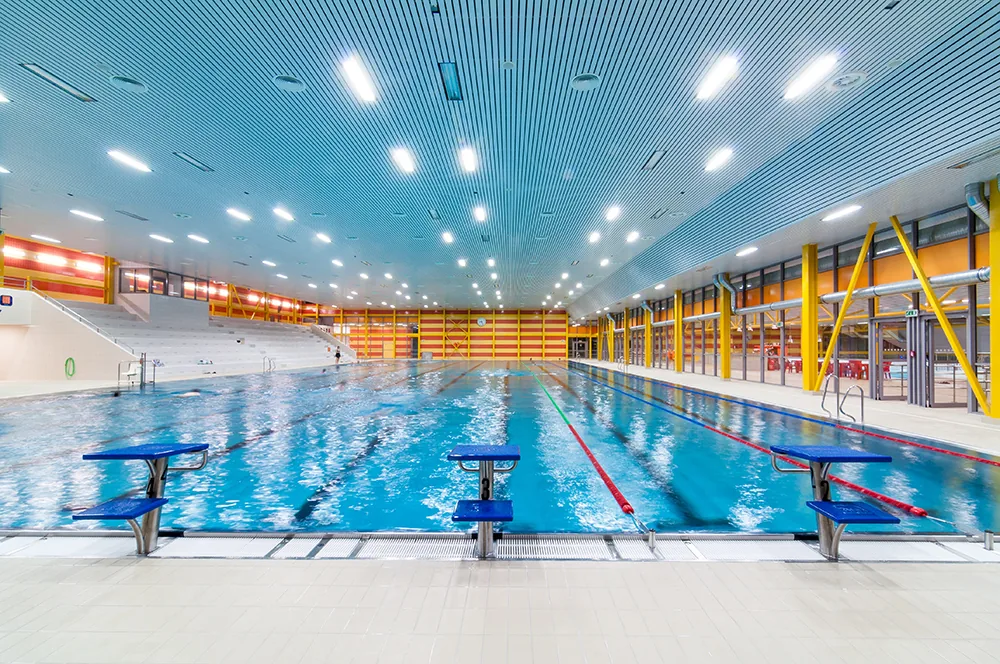
Sport Ireland National Aquatic Centre
Dublin · 50 m pool
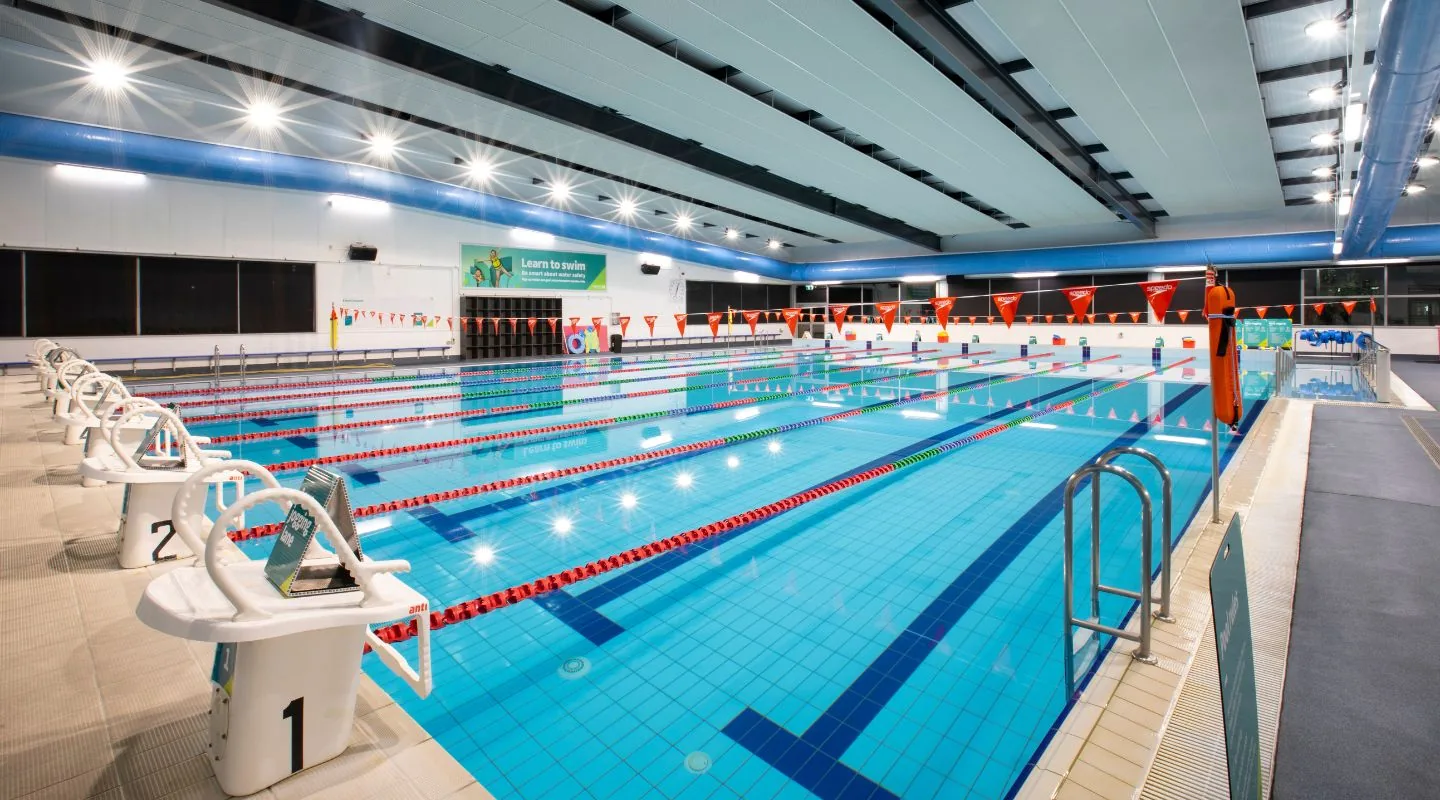
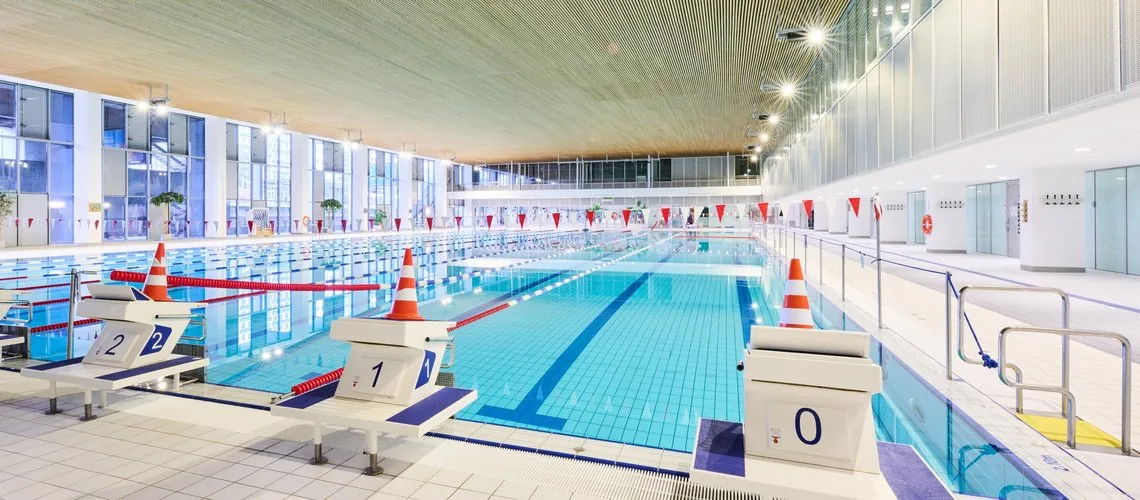
Graham Condon Recreation and Sport Centre
Christchurch · 25 m lane pool
FAQ
Is it bad to swallow pool water?
A small amount from a properly treated pool is very unlikely to cause harm. The main risk is germs such as Cryptosporidium, which can cause diarrhoea a few days later.
Can swallowing pool water make you vomit?
Swallowing a lot of chlorinated water can make you feel sick for a short while. Vomiting or diarrhoea that starts days later is more likely to be an infection.
How much chlorine is in pool water?
Very little. CDC guidance for pools is at least 1 part per million of free chlorine. That is far too dilute to poison you in a mouthful.
What should I do if my child swallowed pool water?
Usually nothing beyond watching them. Look out for diarrhoea over the next week or two, keep them drinking if it starts, and get medical help at once if they have trouble breathing after going under.