What pool lifeguards do
 By the Find My Swimming Pool team·
Updated ·
6 min read
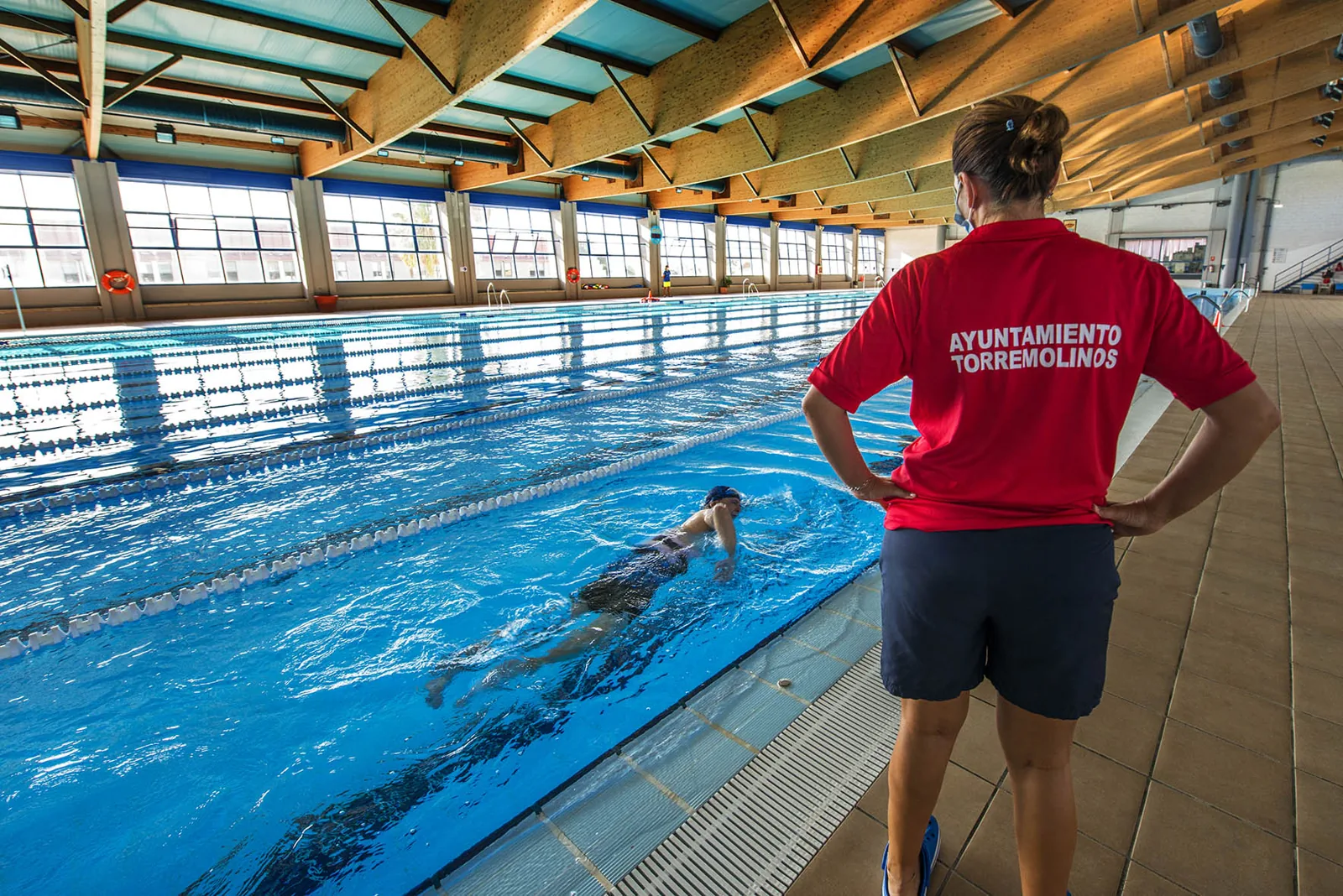
From the water, a pool lifeguard can look like someone sitting in a high chair waiting for the session to end. In fact they are doing one of the most tiring jobs in the building: watching moving water, without a break in concentration, for an hour at a time.
The short answer
Pool lifeguards watch the water to spot swimmers in trouble, step in early to stop accidents, and rescue and give first aid when something goes wrong. They enforce pool rules, manage lanes and busy sessions, and clear the pool in an emergency. In the UK most hold the RLSS UK National Pool Lifeguard Qualification (NPLQ), which needs at least 36 hours of training, a minimum age of 16 at the final assessment and renewal every two years. They are not childminders or swimming teachers.
Watching the water
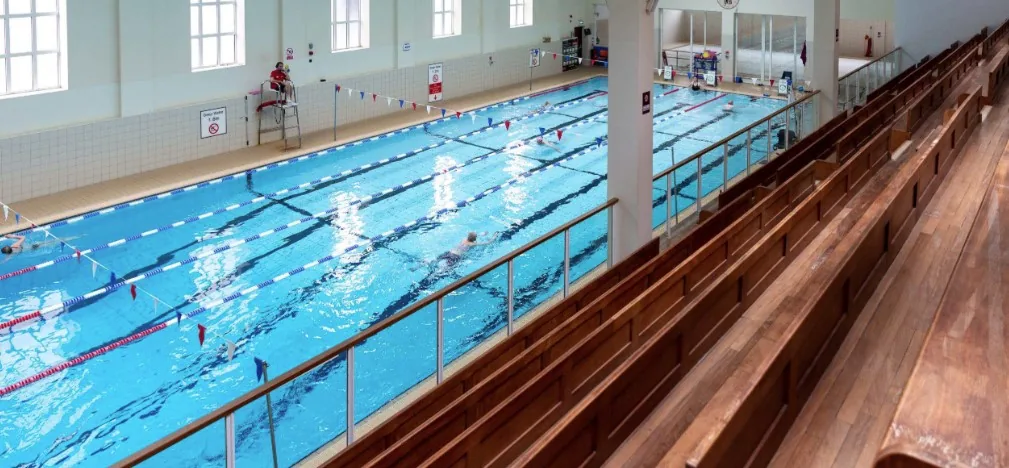
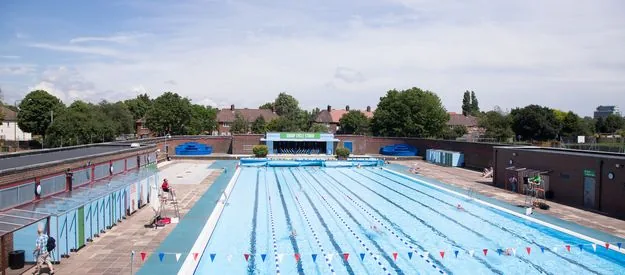
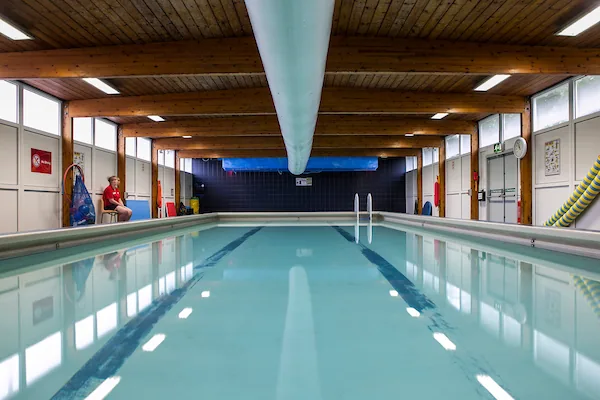
Most of a lifeguard's shift is supervision. Each lifeguard is given a zone, which might be the whole of a small pool or a set of lanes in a big one. They stand or sit where they can see the bottom of the pool across the whole zone, often in a raised chair so the glare on the surface does not hide what is underneath.
They scan the zone in a set pattern, over and over, looking at the surface, the middle of the water and the pool floor. They are watching for people who:
- are upright in the water, bobbing, with their head tilted back and little forward movement
- are not where you would expect them, such as a small child drifting towards deeper water
- stay under for too long, or are lying still on the bottom
- have gone quiet in the middle of a busy session
Someone in real difficulty rarely waves and shouts. They are usually silent and struggling to keep their mouth above water. Spotting that quickly is the core skill of the job.
Lifeguards rotate positions regularly, and many pools limit how long one person watches the water before a break or a change of task. Concentration drops quickly when you stare at water.
Preventing trouble before it starts
A good lifeguard stops most incidents before anyone needs rescuing. That means:
- Enforcing the rules. No running, no diving in shallow water, no dangerous play, no glass on the poolside. Our guide to swimming pool rules covers the common ones.
- Watching weak swimmers. Lifeguards notice who is new, who is hugging the wall and who is drifting out of their depth.
- Managing lanes. Moving swimmers to the right speed lane and sorting out arguments before they turn into collisions.
- Checking admission rules. Making sure young children have an adult with them in the water. See what age children can swim without an adult.
- Watching conditions. Closing outdoor pools in thunder and lightning, and clearing the water if it becomes cloudy so the bottom cannot be seen, or after a toileting accident.
The whistle is part of this. One short blast usually means "attention, you", and a series of long blasts or an alarm means everyone out. Pools post their own signals, so read the board.
If you are asked to leave the water, go straight away. Lifeguards clear the pool for real reasons: a casualty, an unclear pool floor, a fouling incident or a storm. Get out by the nearest side, not the steps at the far end, and wait for the all-clear.
Rescue and first aid
When something goes wrong, lifeguards follow a practised emergency plan for that pool. A typical response looks like this:
- Raise the alarm. A whistle signal or alarm button brings other staff, who help clear the pool and call an ambulance if needed.
- Reach the casualty. From the side if possible, with a pole or a rescue tube. In the water if not.
- Bring them to safety. Using tows and lifts trained for the job, including support for a possible spinal injury after a fall or a bad dive.
- Give first aid. Pool lifeguards are trained in CPR, using an automated external defibrillator (AED), and in treating cuts, falls, fits and other common emergencies.
- Hand over. To paramedics, and then fill in incident reports.
Most of the first aid a lifeguard gives is small: grazed knees, nosebleeds, a swimmer who feels faint after a hard session. They also help people with medical conditions who need to sit out.
Training and qualifications
In the UK, the standard qualification is the National Pool Lifeguard Qualification (NPLQ) from the Royal Life Saving Society UK. According to RLSS UK:
- Candidates must be 16 or older at the time of the final assessment.
- The course is a minimum of 36 hours of training, with 100% attendance required.
- Before starting, candidates must be able to enter deep water with a jump or a dive, swim 50 metres in under a minute, swim 100 metres non-stop on front and back, tread water for 30 seconds, surface dive to the pool floor and climb out unaided where the pool design allows.
- The qualification lasts two years. To renew it, lifeguards must complete 20 hours of ongoing training since their last assessment.
Most pools also run regular in-house training, often weekly or monthly, covering rescues, the pool's emergency plan and first aid. Other countries have their own awards. In Canada the main one is the National Lifeguard award from the Lifesaving Society; in Australia it is the Pool Lifeguard certificate from Royal Life Saving.
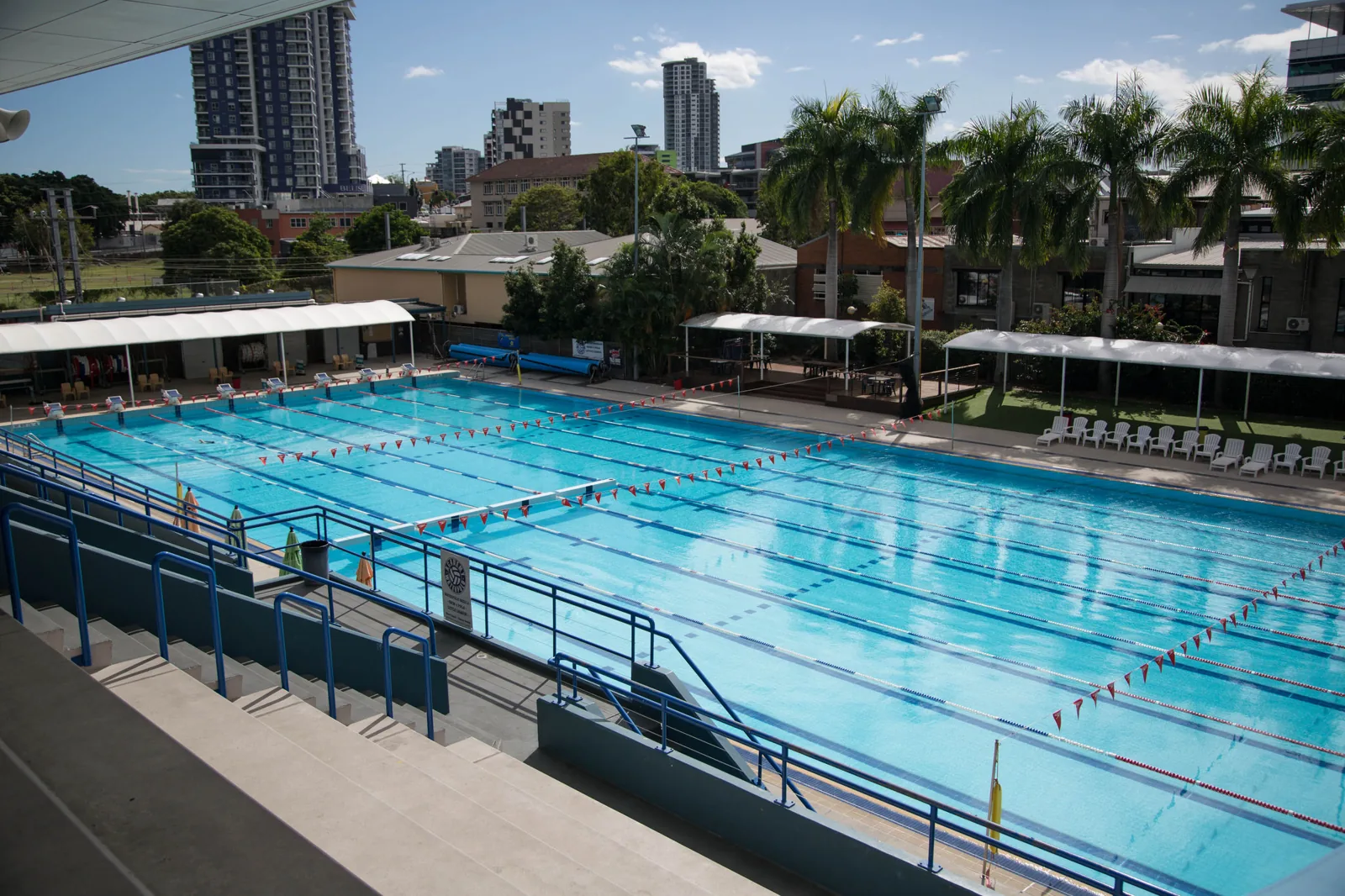
Valley Pool
Brisbane · Outdoor 50 m pool
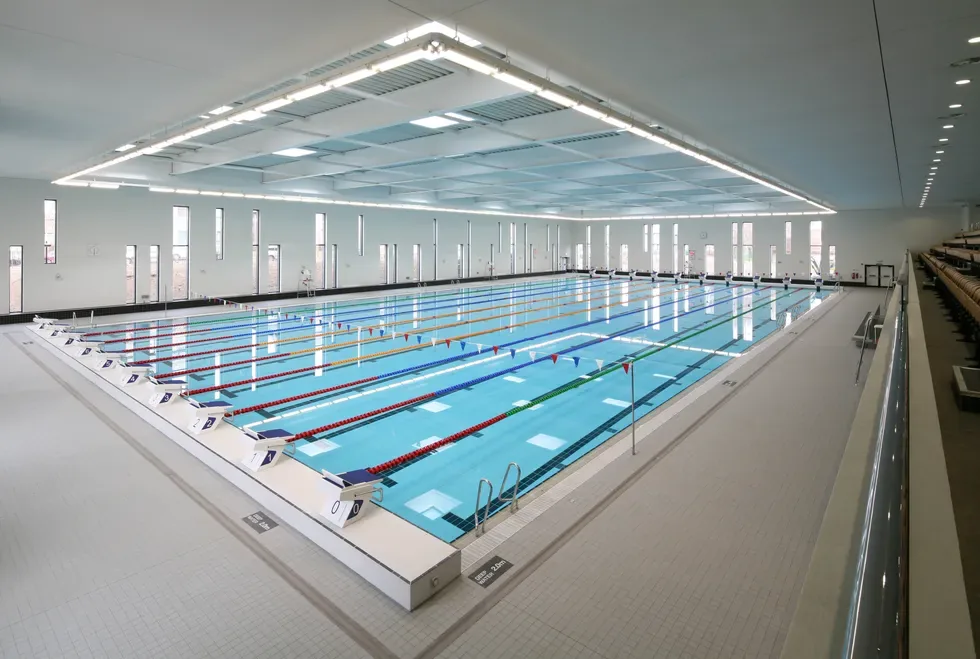
Aberdeen Aquatics Centre
Aberdeen · 50 m, ten lanes
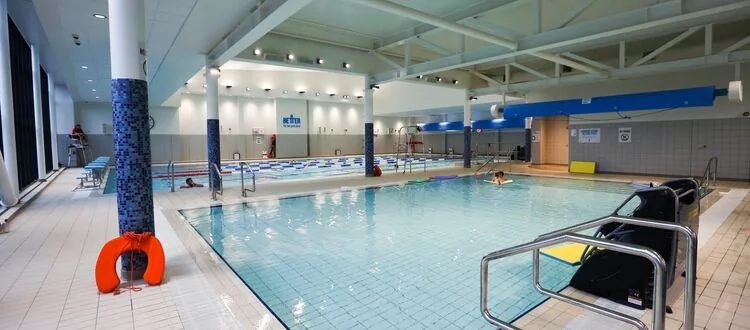
Olympia Leisure Centre and Spa
Belfast · Teaching pool
What lifeguards are not there for
- Babysitting. They watch the whole pool. Parents remain responsible for their own children, and under-8s at most UK pools need an adult in the water with them.
- Teaching. A lifeguard on duty cannot stop watching to give you a lesson. Swimming teachers run lessons, sometimes in the same pool at the same time. If you want to learn, see learning to swim as an adult.
- Holding your things. Keep phones and valuables in a locker.
Not every pool has a lifeguard. Some hotel and gym pools, and some small pools at certain times, run without one and post a sign saying so. In that case you swim at your own risk, and children should never be in the water without an adult watching.
FAQ
How old do you have to be to be a pool lifeguard in the UK?
You must be 16 or older at the time of the final NPLQ assessment. You can start the course a little before your 16th birthday if the assessment falls after it.
How long does a lifeguard qualification last?
The NPLQ lasts two years. Lifeguards renew it by passing a new assessment after completing 20 hours of ongoing training.
Why do lifeguards sit in high chairs?
Height cuts glare and lets them see the bottom of the pool across their whole zone. Lifeguards also patrol the side, especially in busy sessions.
Do all swimming pools have to have a lifeguard?
Not always. Public pools nearly always have lifeguards during public sessions, but some hotel, gym and small pools run without one. Look for a sign, and supervise children closely if there is no lifeguard.