Chlorine-resistant swimwear: is it worth it?
 By the Find My Swimming Pool team·
Updated ·
4 min read
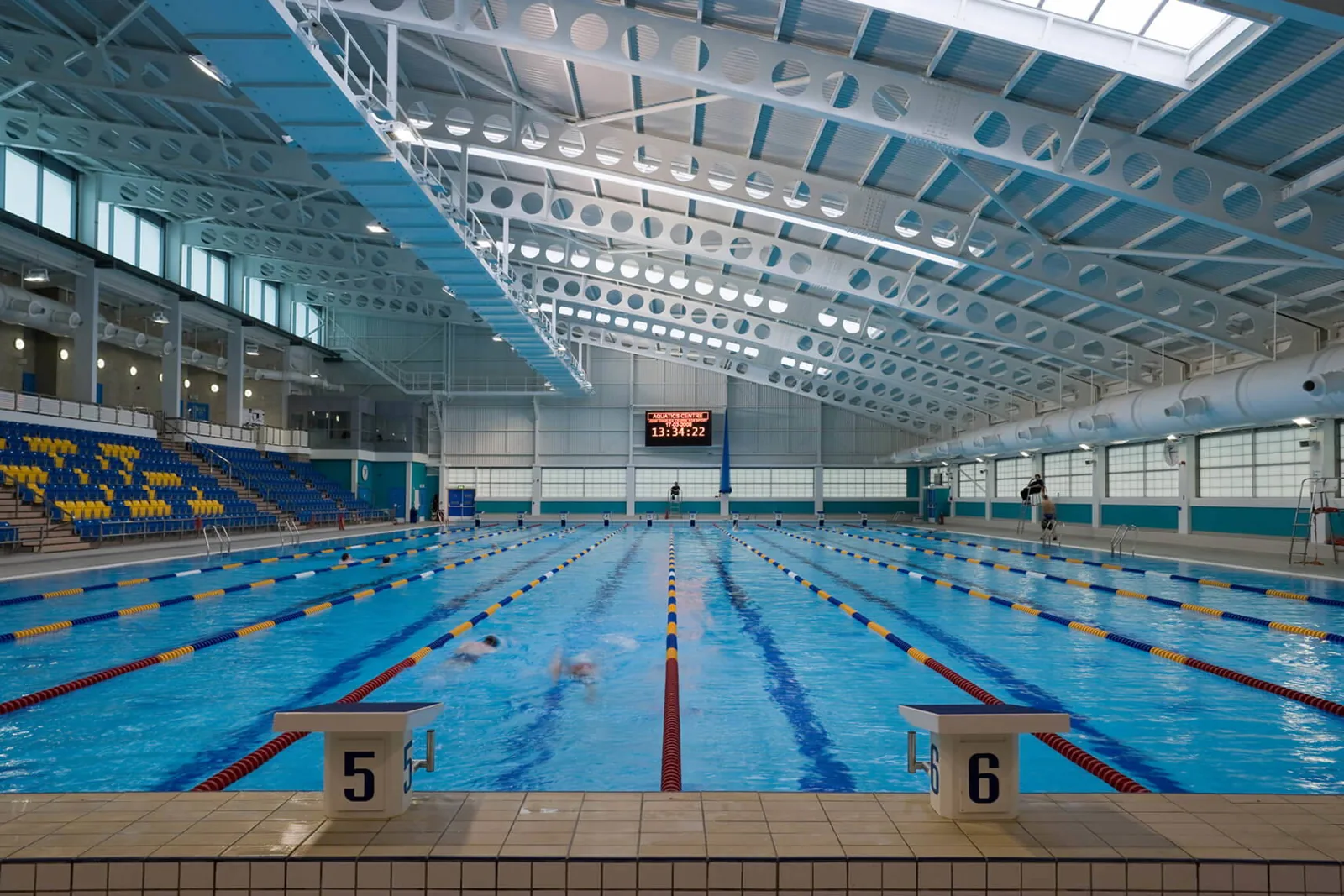
A cheap swimsuit can look tired after a couple of months of pool swimming: faded, baggy at the seat and slightly see-through. Chlorine-resistant swimwear is made to avoid that. Whether it is worth paying more depends on how often you swim.
The short answer
Chlorine-resistant swimwear is made mostly or entirely of polyester or PBT instead of the usual nylon and elastane. Elastane is the stretchy fibre that chlorine breaks down, which is why ordinary swimsuits go baggy and thin. A chlorine-resistant suit keeps its shape and colour for many more swims. If you swim in a chlorinated pool once a week or more, it is worth it. If you swim a few times a year, mostly in the sea, an ordinary swimsuit is fine.
Why chlorine ruins swimsuits
Most fashion swimwear is a blend of nylon (polyamide) with elastane, sold under names like Lycra and spandex. Elastane gives the stretch and the snug fit. It is also the weak point.
Chlorine attacks elastane fibres. Each swim does a little damage, and the effect builds up. First the suit loses its grip and starts to sag at the seat and straps. Then the fabric thins, the colours fade and in light colours it can turn see-through. Heat speeds this up, which is why hot tubs and spa pools are hard on swimwear.
Sun cream, sweat and sun exposure add to the wear, but in a pool swimmer's kit bag chlorine is the main cause.
Which fabrics resist chlorine
| Fabric | Chlorine resistance | Stretch and feel |
|---|---|---|
| Nylon and elastane | Low | Very stretchy and soft |
| Nylon with chlorine-resistant elastane | Medium to good | Stretchy and soft |
| Polyester and elastane | Good | Stretchy, slightly firmer |
| Polyester and PBT | Very good | Some stretch, firmer |
| 100% polyester | Best | Little stretch, firm fit |
Polyester is hardly affected by chlorine and holds dye well, so colours stay bright. On its own it has little stretch, so 100% polyester suits feel firmer and take a moment longer to pull on.
PBT (polybutylene terephthalate) is a type of polyester with natural stretch. It gives some give without elastane, and it is common in training suits.
Some brands also use elastane treated to resist chlorine, such as Lycra Xtra Life. It keeps the soft feel of a fashion suit while lasting longer than standard elastane.
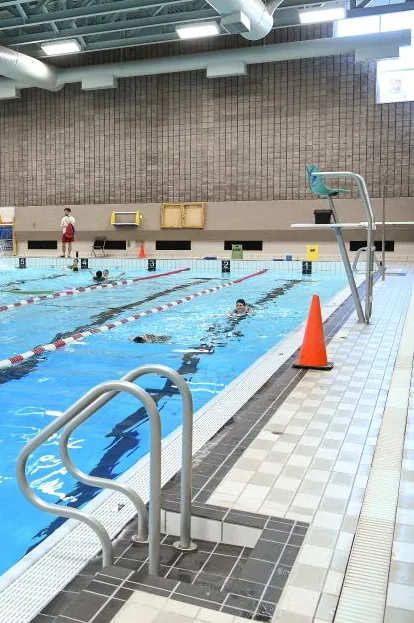
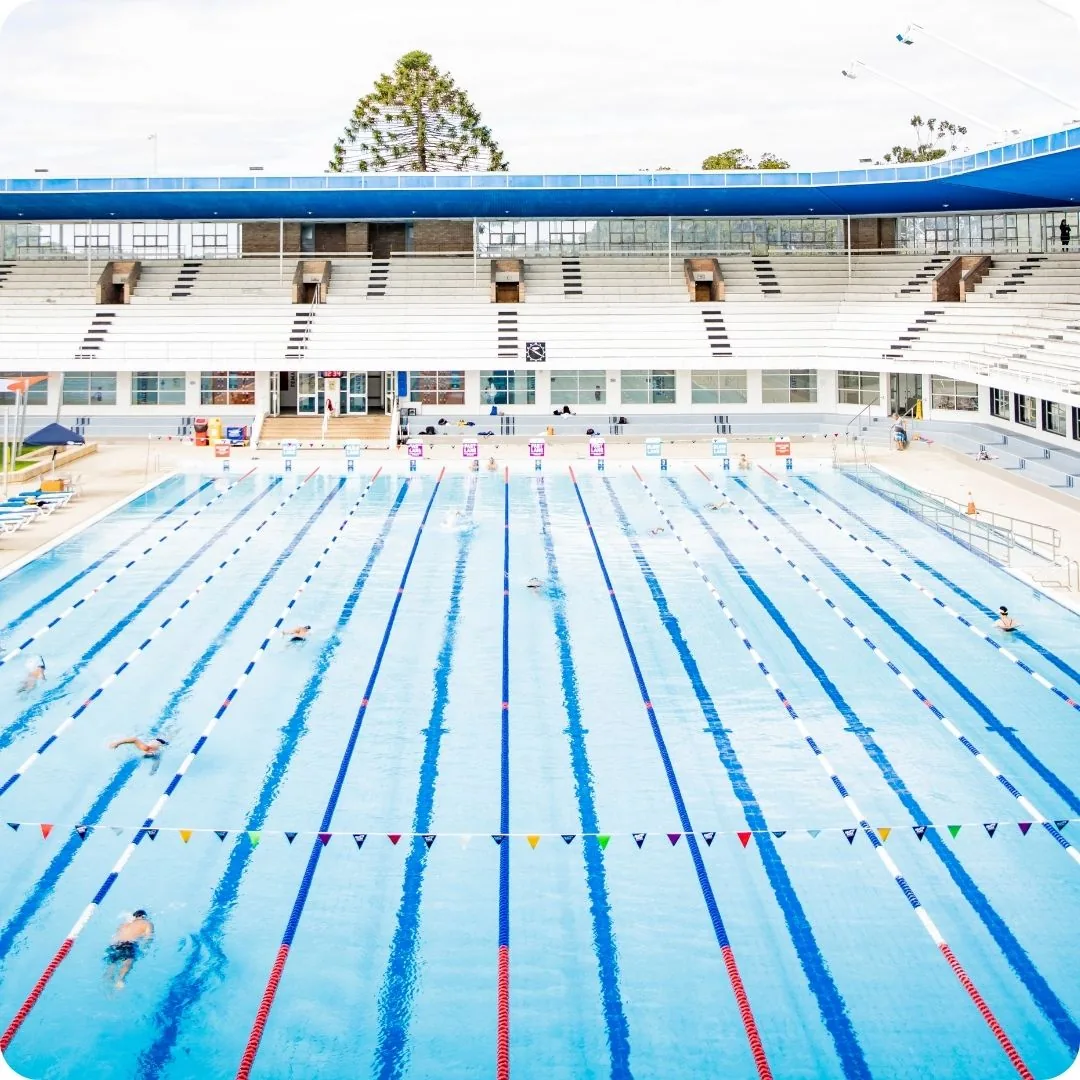
Piscine du centre communautaire Lucien-Borne
Quebec City · Lane pool
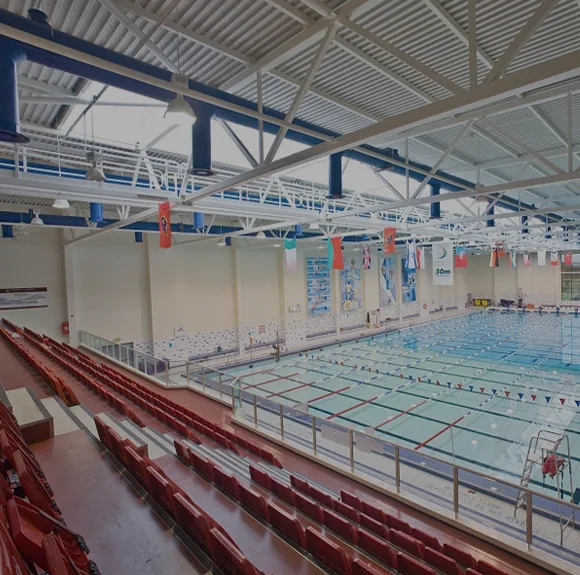
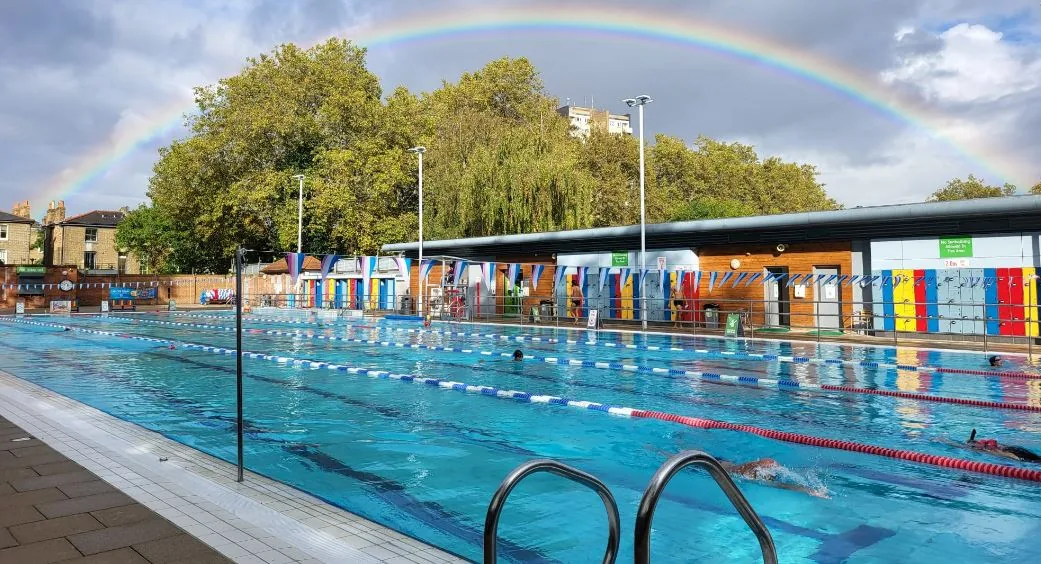
UL Sport Arena
Limerick · 50m pool
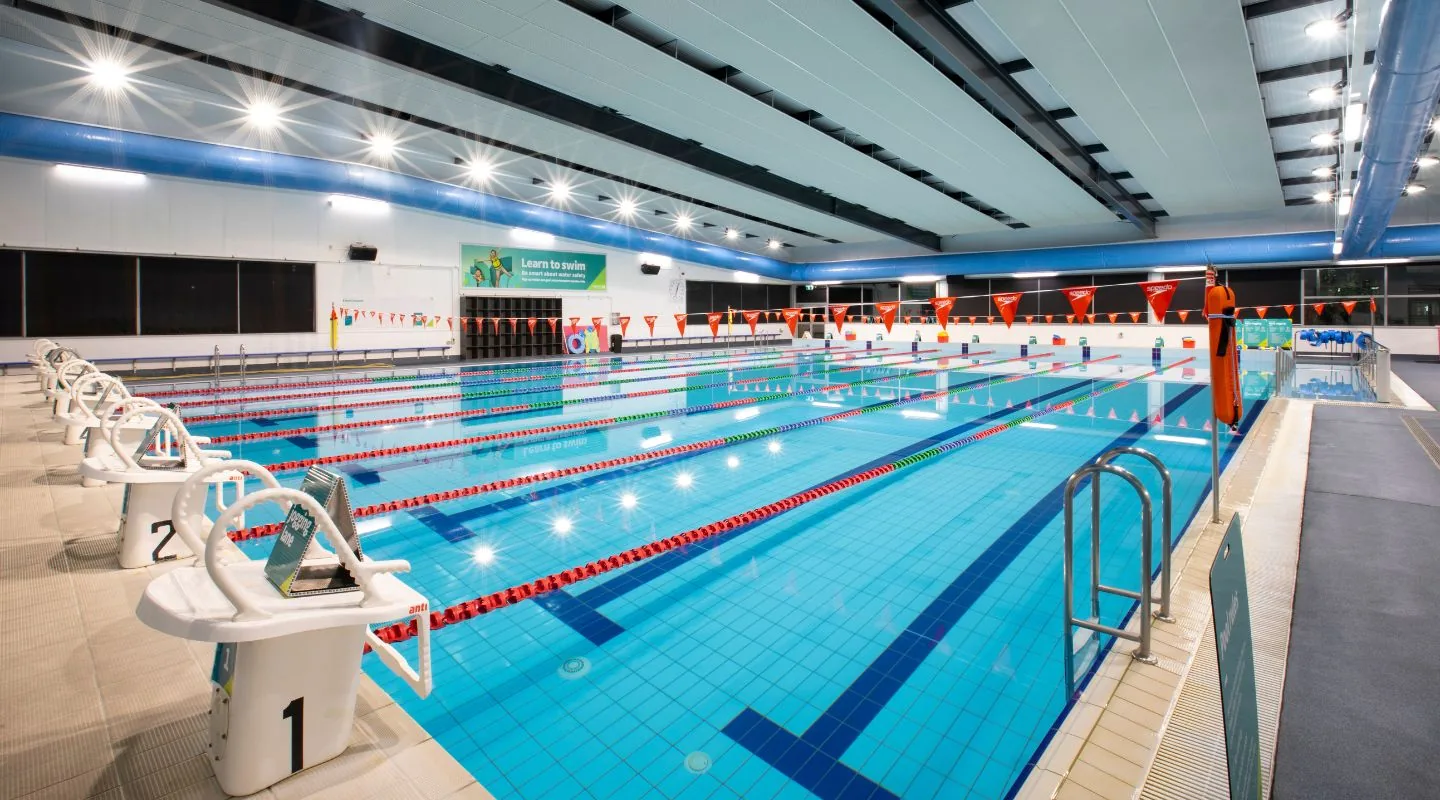
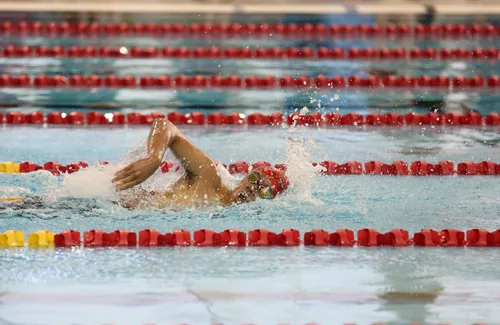
Graham Condon Recreation and Sport Centre
Christchurch · Lane pool with blocks
Reading the label
Look at the fabric composition, not the marketing name.
- Good sign: 100% polyester, polyester with PBT, or a high polyester share with a small amount of elastane.
- Good sign: brand names for chlorine-resistant lines, usually with words like endurance, durable or xtra life.
- Warning sign: mostly nylon or polyamide with a high elastane share and no mention of chlorine resistance.
Club and training ranges from swimming brands are almost always chlorine-resistant. Fashion and holiday ranges often are not.
Firmer fit is normal. A polyester suit feels tighter in the shop than a nylon one of the same size. It does not stretch out over time, so do not size up expecting it to give.
Is it worth it
It comes down to how many hours your suit spends in chlorinated water.
- You swim lengths weekly or more. Yes. A standard suit will sag within months. A chlorine-resistant one usually keeps its shape for well over a year of regular swimming.
- You do aqua classes or swim with your children every week. Yes, for the same reason.
- You swim mainly in the sea or a lake. Less important. Salt and sun cause wear, but more slowly than pool chlorine.
- You swim a few times a year on holiday. No. Buy what you like the look of and rinse it after use.
Chlorine-resistant suits usually cost a little more, but they last much longer than a standard suit swum in the same pool, so the cost per swim tends to be lower.
Making any suit last longer
- Rinse it in cool fresh water as soon as you get out of the pool.
- Wash it by hand with a little mild detergent, not in a hot machine cycle.
- Do not wring it. Press the water out in a towel.
- Dry it flat in the shade, not on a radiator or in a tumble dryer.
- Rotate two suits if you swim several days in a row, so each one fully dries.
- Keep your best suit away from hot tubs.
Our guide to how to wash a swimsuit has the details. For the other cuts and styles, see types of swimwear.
FAQ
Does chlorine-resistant swimwear last forever?
No. It lasts much longer than a standard suit, but it still wears out with heavy use, especially at the seams and straps.
Is chlorine-resistant swimwear less comfortable?
It feels firmer, particularly 100% polyester. Many swimmers prefer that for lengths because it stays in place.
Can I wear a chlorine-resistant suit in the sea?
Yes. It works just as well in salt water and keeps its colour in the sun.
Why has my swimsuit gone see-through?
Chlorine has broken down the elastane and thinned the fabric. It is a sign the suit needs replacing.