Jammers, briefs or shorts: men's swimwear
 By the Find My Swimming Pool team·
Updated ·
4 min read
Men's swimwear comes in three main cuts for the pool: briefs, trunks and jammers, plus the loose shorts most people wear on the beach. They all work. The differences are in fit, cover, drag and where you are allowed to wear them.
The short answer
Briefs are the smallest and freest cut, with nothing on the legs. Jammers are tight shorts that reach to just above the knee, giving more cover with almost the same low drag. Trunks, also called square-cut shorts, sit between the two. All three are close-fitting and allowed at every pool, including French pools that ban loose shorts. For training, pick whichever you feel comfortable in. Club swimmers often train in briefs or jammers, and most race in jammers.
The four cuts
- Briefs. A low-cut, close-fitting style with no leg. Often called Speedos, budgie smugglers in Australia, or racers. The classic club training suit.
- Trunks (square-cut shorts). Close-fitting with a short leg of a few centimetres. A common choice for lane swimmers who want more cover than briefs.
- Jammers. Close-fitting shorts that end at or just above the knee, a bit like cycling shorts. Used for training and almost all men's racing.
- Swim shorts and board shorts. Loose shorts, mid-thigh to knee length. Comfortable on the beach, slow in the lane and banned at some pools. See board shorts in pools.
Side by side
| Briefs | Trunks | Jammers | Board shorts | |
|---|---|---|---|---|
| Leg length | None | Short | To the knee | Mid-thigh to knee |
| Drag | Lowest | Low | Low | High |
| Cover | Least | Some | Most of the thigh | Most of the thigh |
| Allowed in France | Yes | Yes | Yes | No |
| Used for racing | Rarely now | Rarely | Usually | No |
| Easy to put on | Yes | Yes | A little harder | Yes |
Why swimmers like jammers
Jammers became the standard racing suit for men because they are tight and smooth over the thighs. The fabric holds the muscles a little and the surface lets water slide past. In everyday training the speed difference from briefs is small, but plenty of swimmers notice they feel more streamlined.
The other reason is plain comfort with being seen. Many adults who started swimming later in life find jammers easier to wear than briefs in a busy pool. You get the cover of shorts without the drag, ballooning or slipping waistband.
Downsides: jammers are a bit harder to pull on when wet, the seams can rub if the fit is wrong, and long legs mean more fabric to wear out in chlorine.
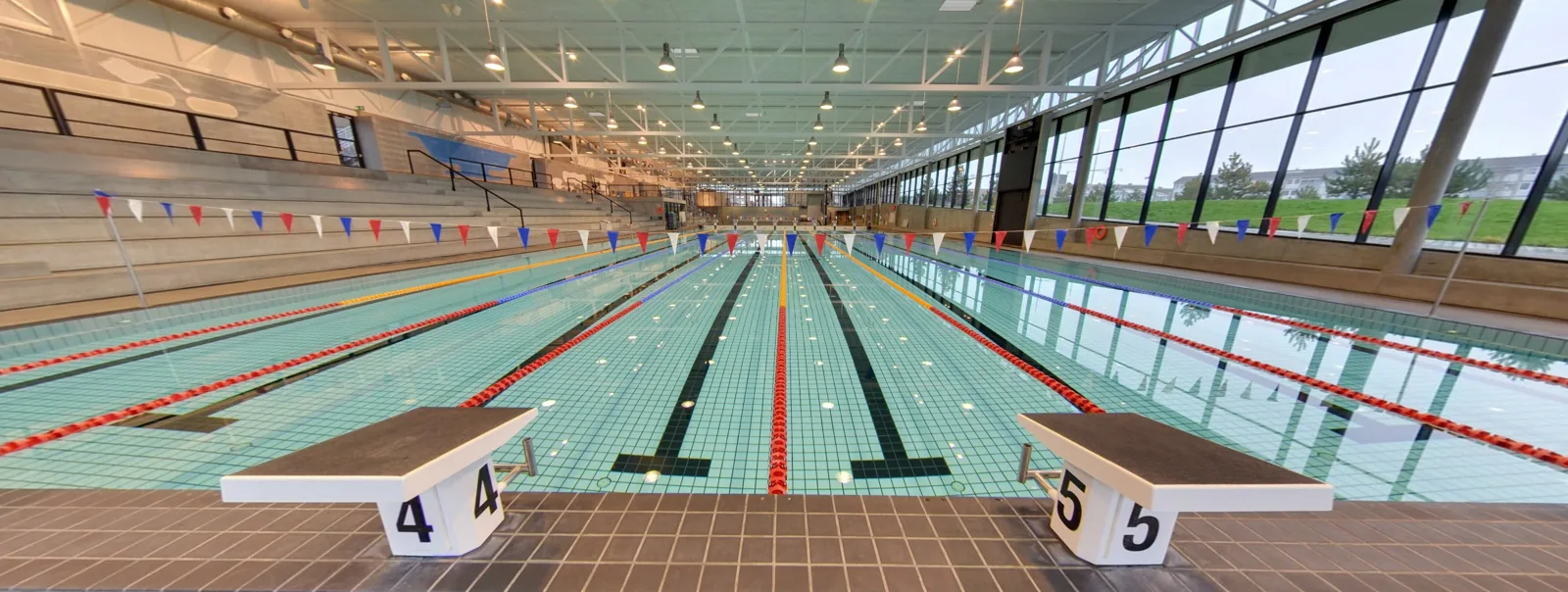
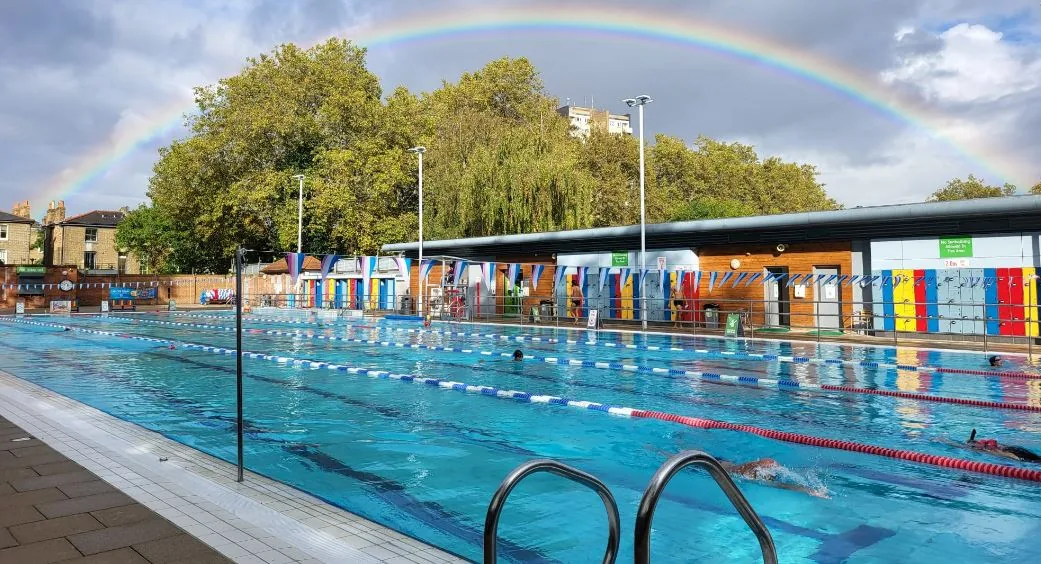
Bellahøj Svømmestadion
Copenhagen · 50m pool
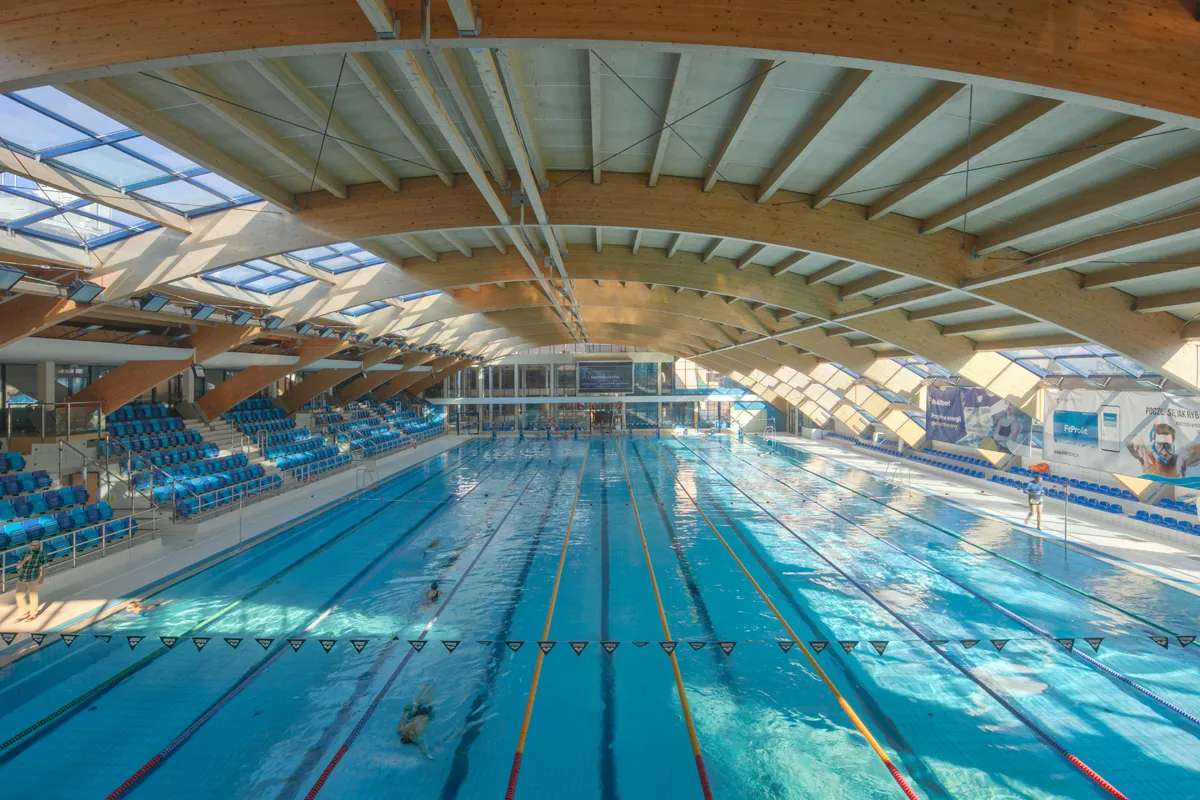
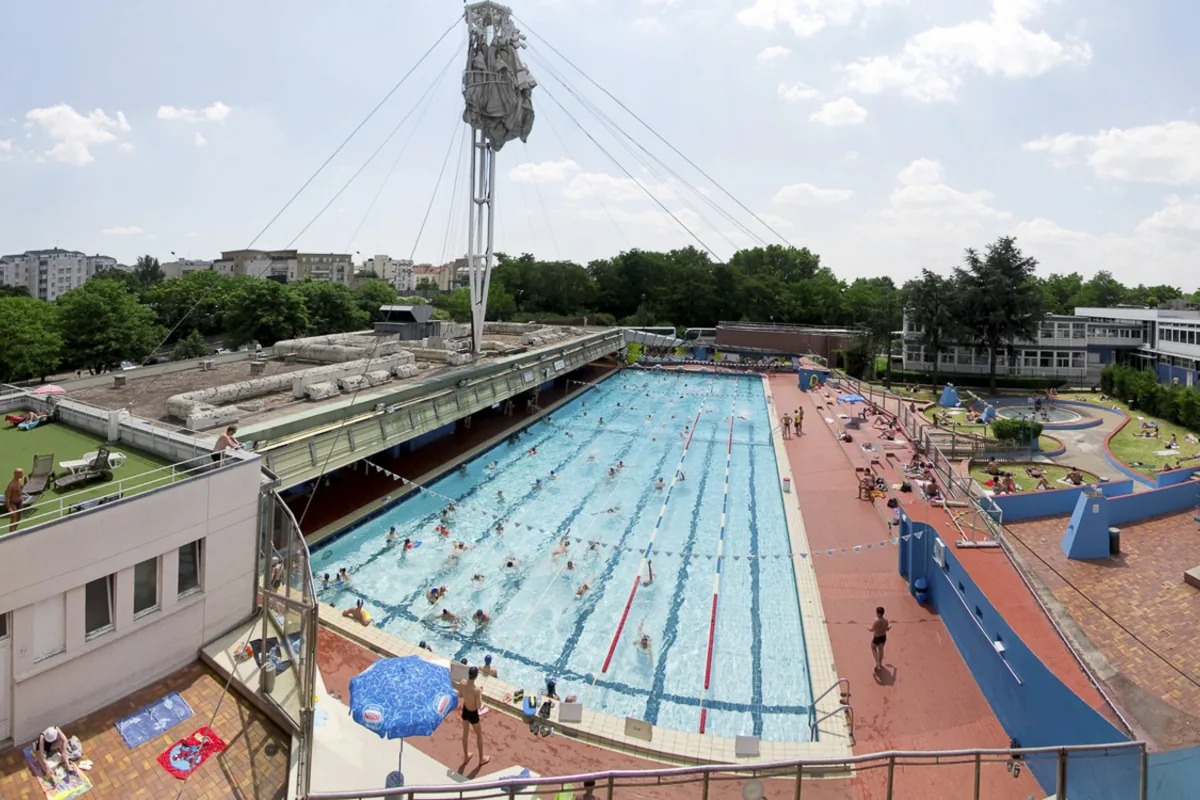
Wodny Park Warszawianka
Warsaw · 50m Olympic pool
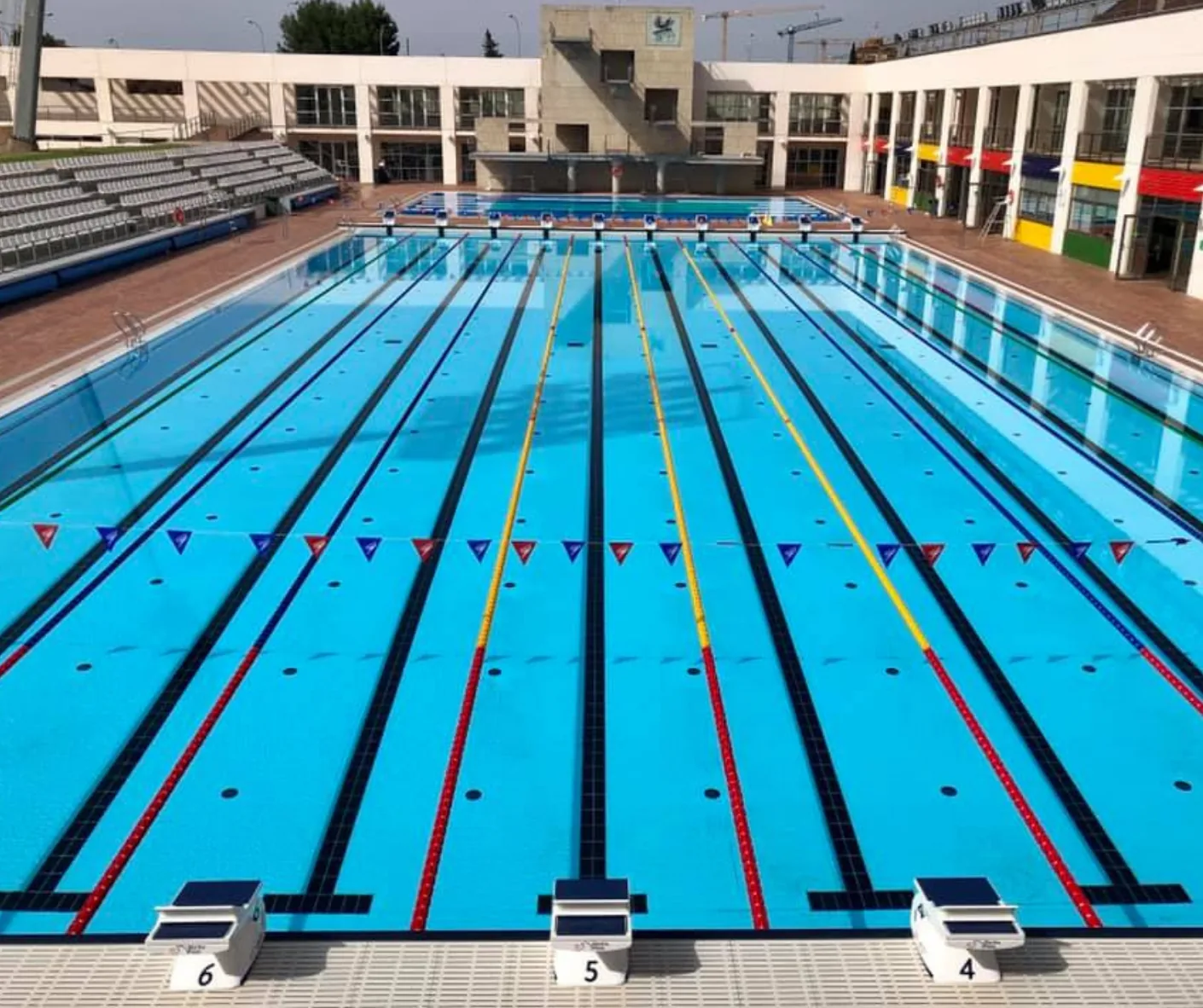
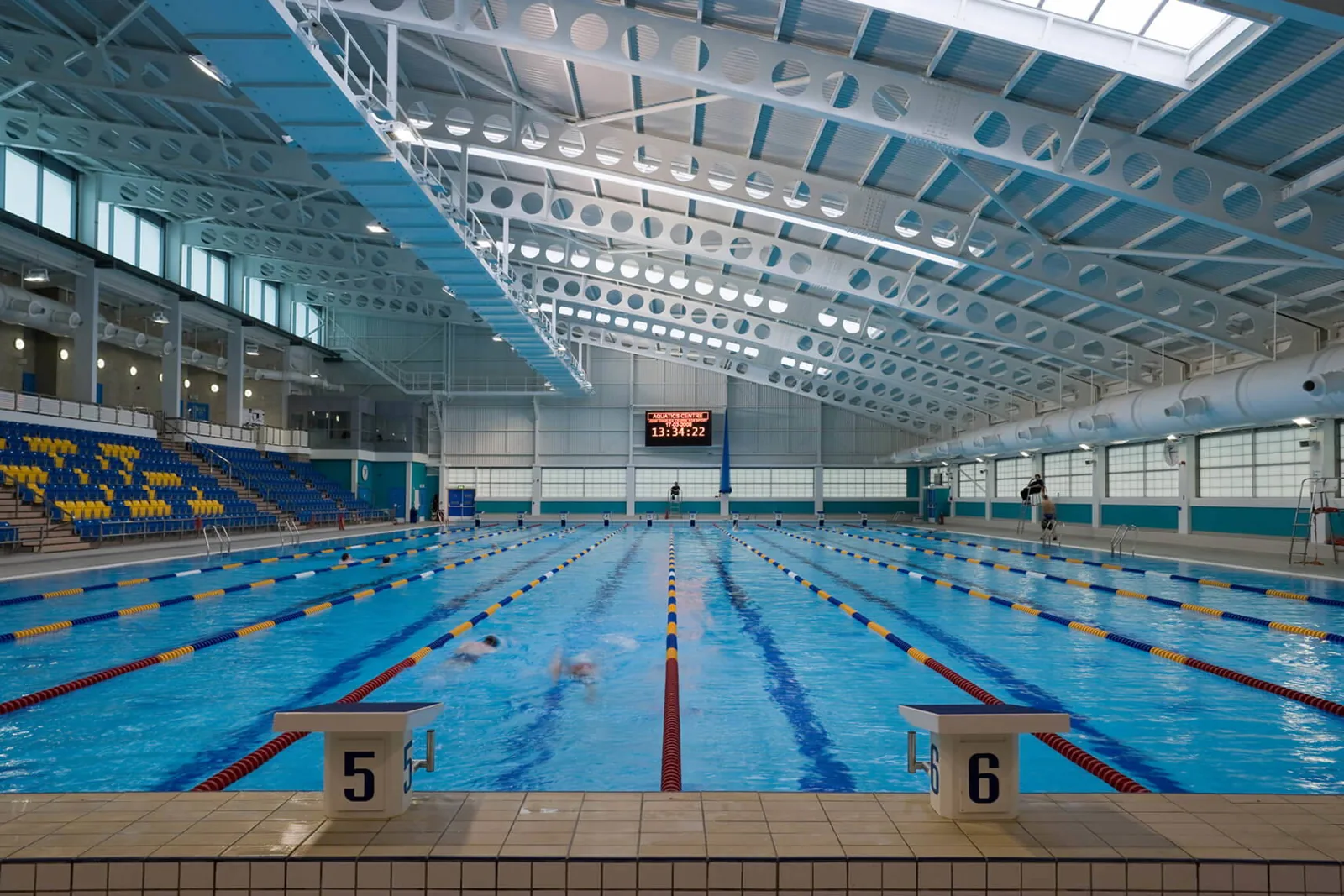
Piscines Municipals de Son Hugo
Palma · Outdoor 50m pool
Why some still prefer briefs
- Freedom. Nothing on the legs, so nothing pulls when you kick or turn.
- Quick change. Easy on and off, quick to dry and small in a bag.
- Training drag. Some coaches like swimmers to train in briefs or a loose drag suit, so race day in jammers feels faster.
- Even tan. At outdoor pools, briefs leave fewer tan lines on the thighs.
Trunks give you most of the same freedom with a little more cover. They are the safe middle choice if you cannot decide.
Buy chlorine-resistant fabric. Whatever cut you choose, a polyester or PBT suit outlasts a nylon and elastane one by a long way if you swim every week. See chlorine-resistant swimwear.
Racing rules
World Aquatics, the governing body for swimming, sets swimwear rules for pool competition. Since 2010, men's suits must not extend above the navel or below the knee, and suits must be made of textile. That is why racing jammers stop at the knee, and why the full-body suits of 2008 and 2009 are no longer allowed.
For club galas and masters meets, check whether your event requires an approved suit. Most training jammers and briefs are fine for club-level events, but high-end technical racing jammers need to be on the approved list for top-level meets.
How they should fit
- Snug when dry. Swimwear relaxes a little in water and more as it ages.
- No gaps at the waist or leg openings that fill with water when you push off.
- The drawstring should tie firmly without the waistband digging in.
- For jammers, the leg should sit flat on the thigh without rolling up.
If you are between sizes, go smaller for briefs and trunks, and check the brand's chart for jammers, which are harder to size. Our guide to types of swimwear covers the women's cuts too.
FAQ
Are jammers faster than briefs?
In training the difference is small. Racing jammers made from technical fabric are faster than ordinary briefs, which is why almost all men race in them.
Can I wear jammers in a French pool?
Yes. Jammers are close-fitting, so they meet the French rule. Only loose shorts are banned.
What is the difference between trunks and jammers?
Length. Trunks have a short leg of a few centimetres. Jammers reach to just above the knee.
Do I need jammers to join a swimming club?
No. Clubs ask for close-fitting swimwear, so briefs, trunks or jammers are all fine for training.