How long after a tattoo can you swim?
 By the Find My Swimming Pool team·
Updated ·
5 min read
A new tattoo is an open wound for the first couple of weeks. Pool water, the sea and hot tubs all carry germs, and soaking can also spoil the ink before it settles. Waiting is dull, but it protects both your skin and the work you paid for.
The short answer
Do not swim until your tattoo has fully healed. For most tattoos that means about two to three weeks, and longer for large or heavily shaded pieces. Healed skin is no longer weeping, scabbing or peeling, and feels smooth with no raised or shiny patches. Until then, avoid pools, the sea, lakes, hot tubs and baths. Quick showers are fine. If you must be in water, ask your tattoo artist first.
Why you should wait
Tattooing puts ink into the skin with thousands of tiny punctures. Until the surface closes over, germs can get in, and the area is easily irritated.
- Infection. Pool water is treated, but it is shared with many people, and chlorine does not kill everything instantly. Lakes, rivers and the sea are not treated at all. Hot tubs are warm, which helps bacteria grow.
- Soaking. Long periods in water soften the scabs and the healing skin. Scabs can lift off early and take ink with them, leaving patchy or faded areas that need a touch-up.
- Chlorine and salt. Both dry out and irritate fresh skin, which makes it itch more and heal more slowly.
- Sun. Outdoor swimming adds sun on top of water. Fresh tattoos burn easily and the ink fades faster in strong sun.
Health services take the same line. The Western Australian Department of Health's tattoo aftercare advice says tattoos take about two to three weeks to heal, and tells you not to swim or soak the tattoo until it has healed.
How long to wait
Two to three weeks is the usual healing time for the surface of the skin, but it is a guide, not a rule. These things make it longer:
- A large piece, such as a back, sleeve or thigh tattoo.
- Heavy colour packing or solid black areas.
- Places that bend or rub, like the inside of the elbow, behind the knee, the feet and the waistband line.
- Picking or scratching scabs, which the WA health advice says slows healing and can lead to infection.
- Your own skin. Some people heal faster than others.
Go by what the skin looks like, not by the calendar. Your tattoo artist sees healed and healing work every day, so ask them if you are unsure. If they gave you a different aftercare sheet, follow it.
Waterproof dressings. Some people use a waterproof film dressing so they can swim sooner. It may keep most water out for a short swim, but edges lift in a pool and trapped water sits against the wound. Talk to your artist before relying on one, and never use it as a reason to go in a hot tub or the sea.
How to tell it has healed
The tattoo is ready for swimming when all of these are true:
- No scabs or flakes left anywhere on it.
- No shiny, raised or "cloudy" patches. A milky film over the ink usually means the top layer is still renewing.
- No weeping, oozing or soreness when you press gently around it.
- The skin feels the same as the skin around it when you run a clean finger over it.
The deeper layers keep settling for weeks after the surface looks healed. That is why the colour can look a little dull for a while. It does not stop you swimming once the surface is closed.
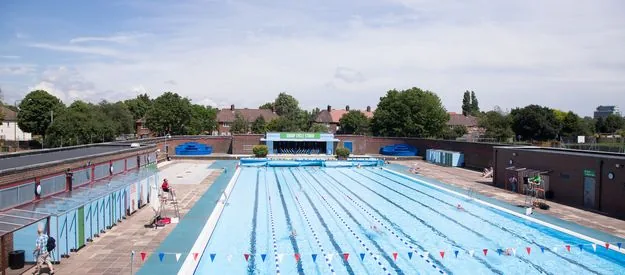
Charlton Lido
London · Heated 50 m lido
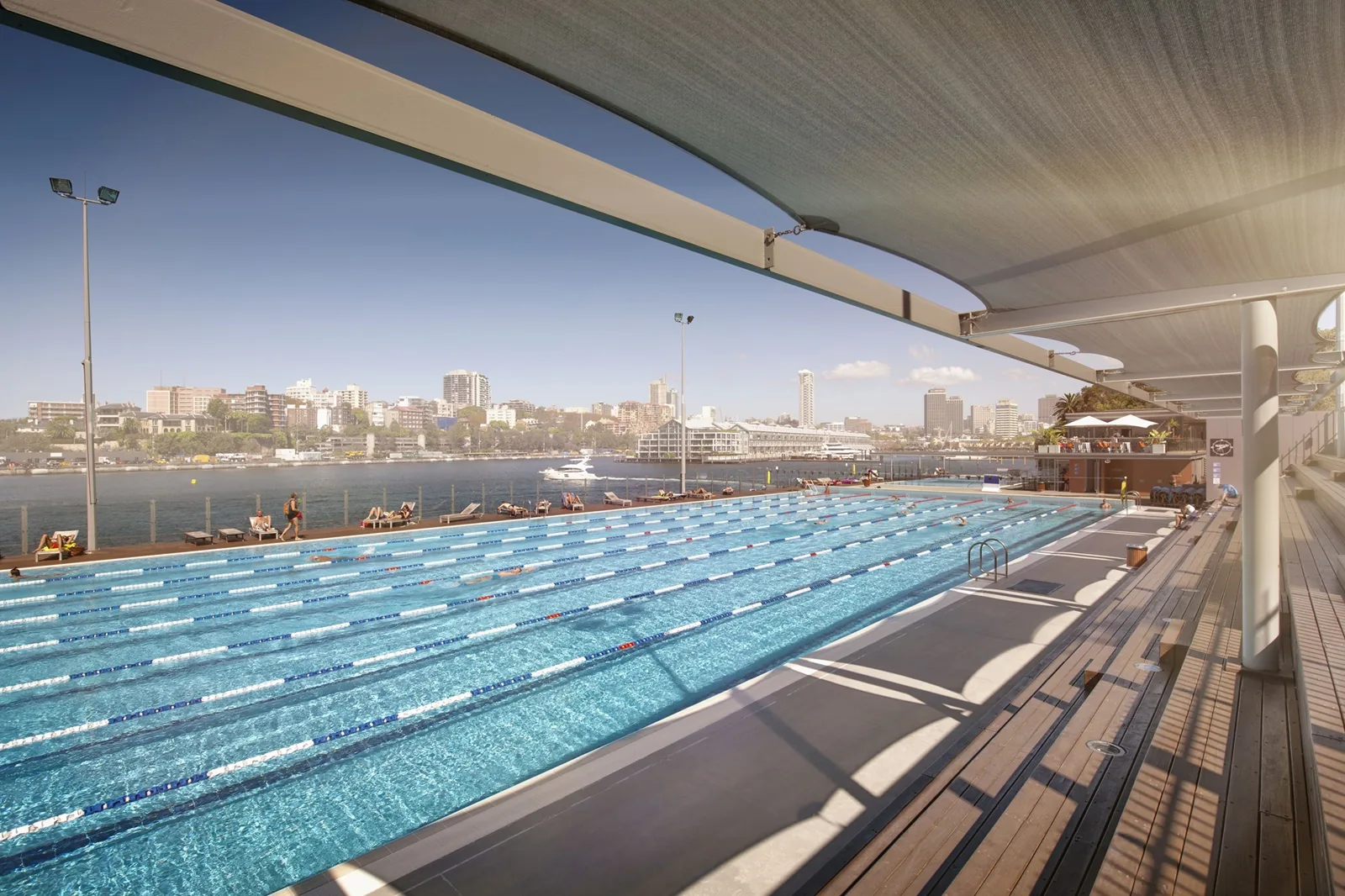
Andrew (Boy) Charlton Pool
Sydney · Outdoor saltwater pool

Paskál Gyógy- és Strandfürdő
Budapest · 33 m outdoor pool
Your first swim after a tattoo
- Moisturise first, lightly. A thin layer of the balm your artist recommends helps the skin cope with chlorine. Do not plaster it on; thick ointment in a pool is unpleasant for everyone.
- Keep the first swim short. Twenty or thirty minutes is enough to see how your skin reacts.
- Shower straight after. Rinse the tattoo with fresh water and a mild soap, pat it dry with a clean towel and moisturise again. Our guide to chlorine and your skin has more on dryness.
- Sun cream outdoors. The WA advice is to protect tattoos from the sun with SPF 15 to 30+ sunscreen. For a fresh tattoo at a lido or the beach, a high factor and shade are better.
- Choose a pool over open water. For the first few swims, a treated pool is a safer bet than a lake or river after rain.
If the tattoo sits under a strap or seam, choose swimwear that does not rub it. Some swimmers cover a fresh piece with a rash vest or swim leggings for the first sunny swims.
Signs of infection
A new tattoo is normally a bit red, warm and tender for the first few days. That should ease, not get worse. See a doctor or pharmacist if you notice:
- redness or swelling that spreads or gets worse after the first few days
- the area feeling hot or more painful
- pus, a bad smell or yellow crusts
- red streaks spreading from the tattoo
- a high temperature or feeling generally unwell
Say that the tattoo is new and whether you have been swimming. Stay out of the water until it has been treated and healed.
The same rules apply to new piercings. For other questions about what you can and cannot do in the pool, see swimming pool rules and can you get sick from a pool.
FAQ
Can I swim one week after a tattoo?
Usually not. At one week most tattoos still have scabs or peeling skin. Wait until the surface has fully healed, which takes about two to three weeks for most tattoos and longer for big ones.
Can I shower with a new tattoo?
Yes. Short showers are fine and you need to wash the tattoo gently. What you should avoid is soaking it, which means baths, pools, hot tubs and the sea.
Is the sea better than a pool for a new tattoo?
No. Seawater is not treated and can carry bacteria, especially after heavy rain. Salt and sun also dry and fade fresh ink. Wait for full healing either way.
What if I already swam with a new tattoo?
Rinse it with clean water and mild soap, pat it dry and follow your aftercare. Watch it closely for a few days for the signs of infection listed in this guide.